
 EN
EN
 ar
ar bg
bg hr
hr cs
cs da
da nl
nl fi
fi fr
fr de
de el
el hi
hi it
it ko
ko no
no pl
pl pt
pt ro
ro ru
ru es
es sv
sv tl
tl iw
iw id
id lv
lv lt
lt sr
sr sk
sk sl
sl uk
uk vi
vi et
et hu
hu th
th tr
tr fa
fa ms
ms hy
hy ka
ka ur
ur bn
bn mn
mn ta
ta kk
kk uz
uz ku
ku
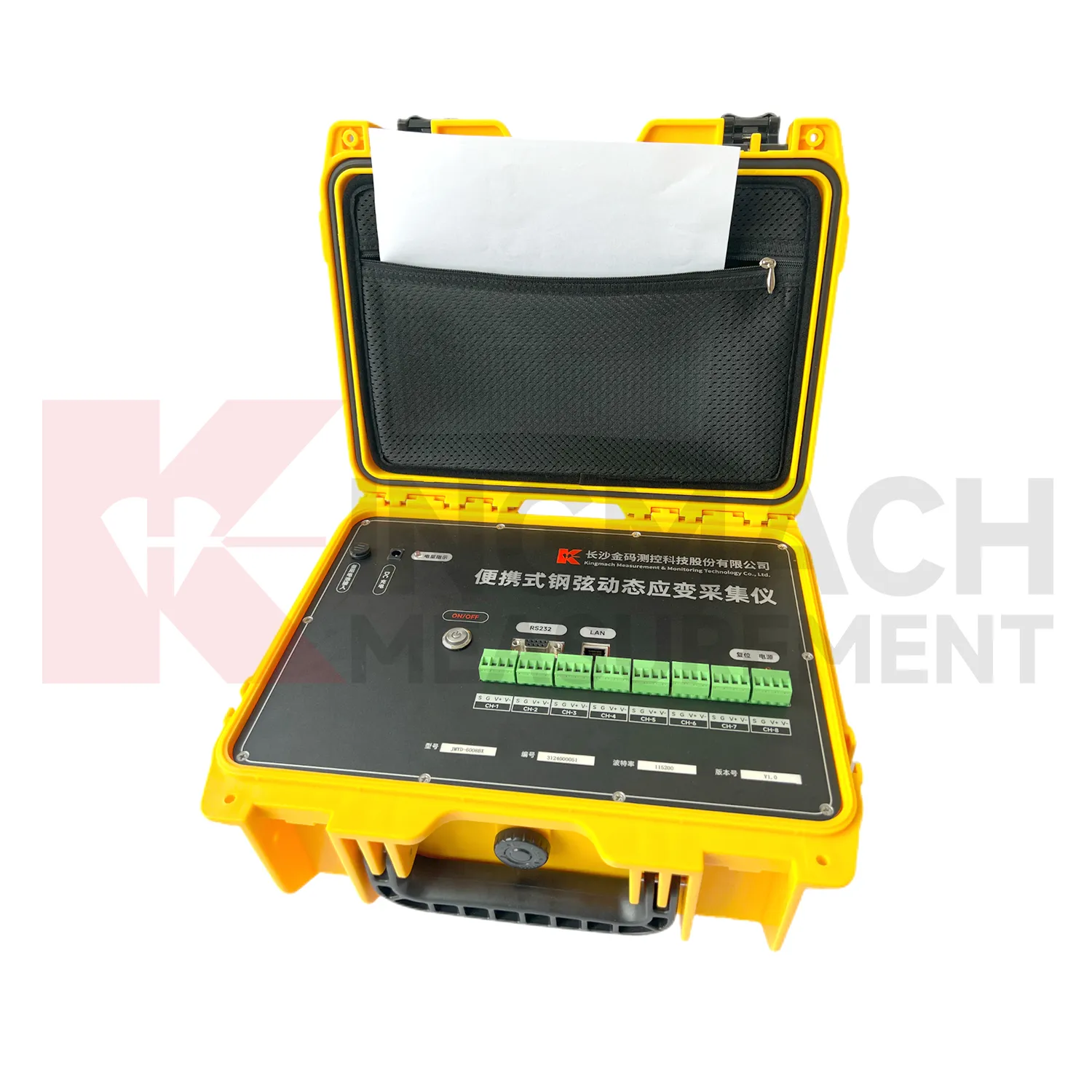
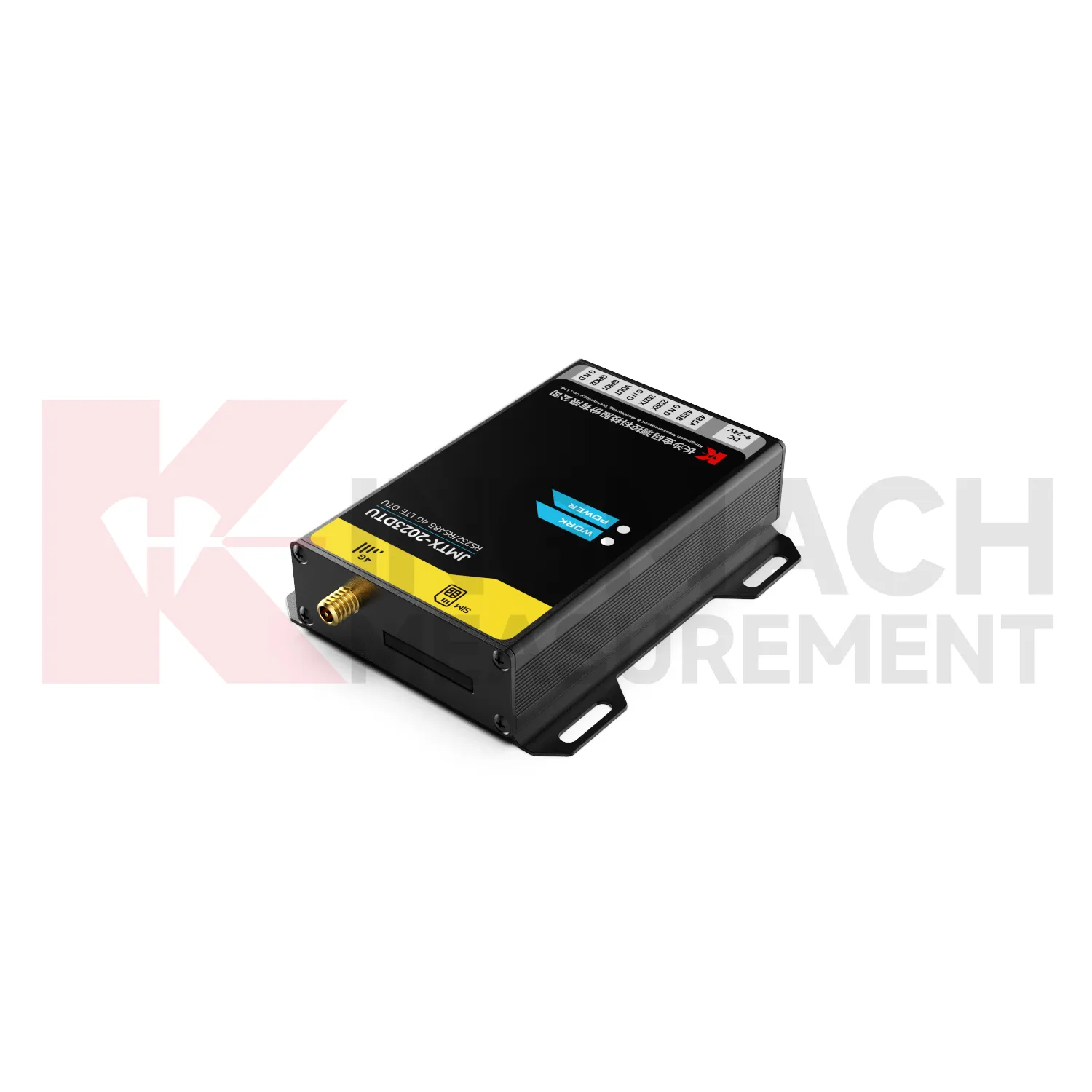
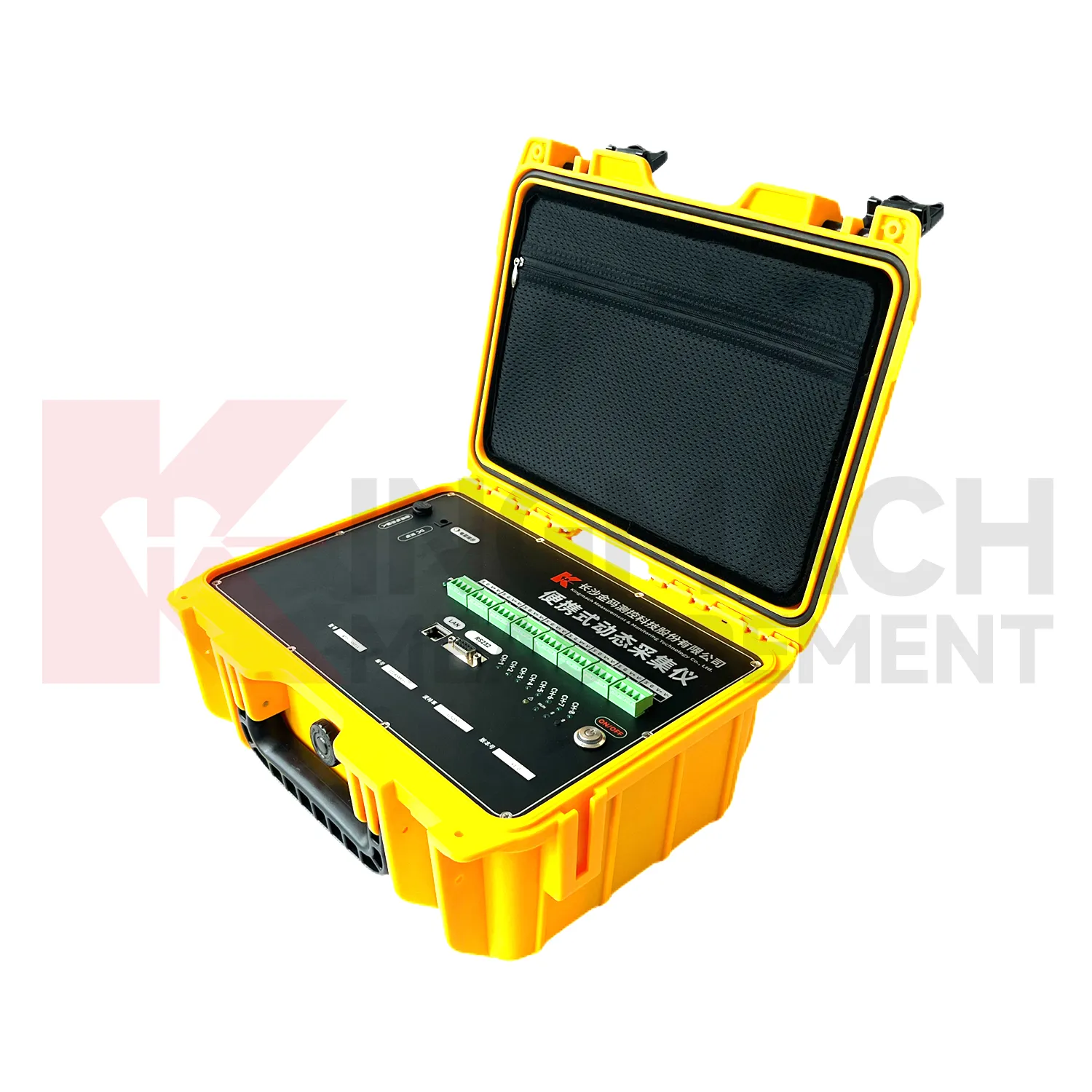
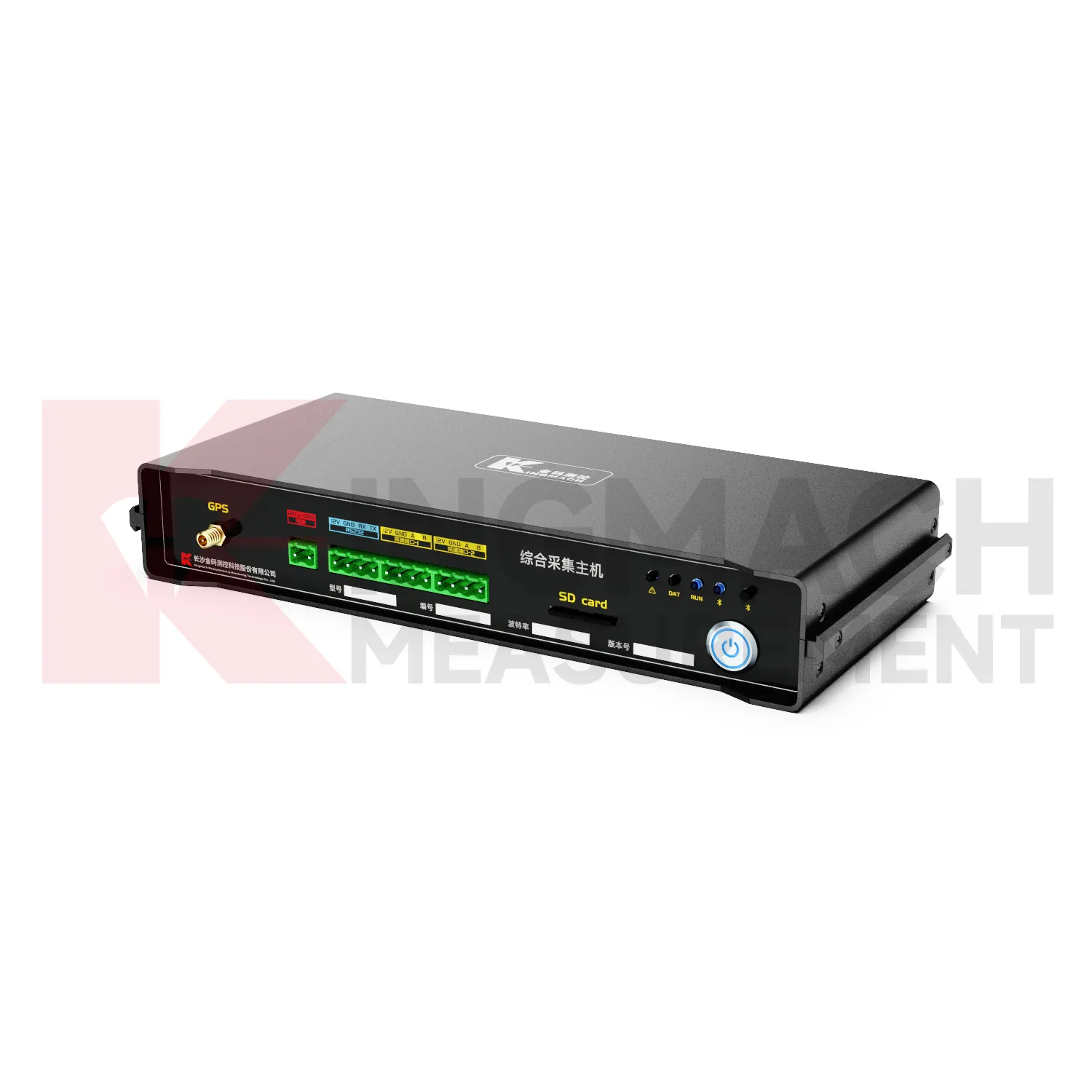
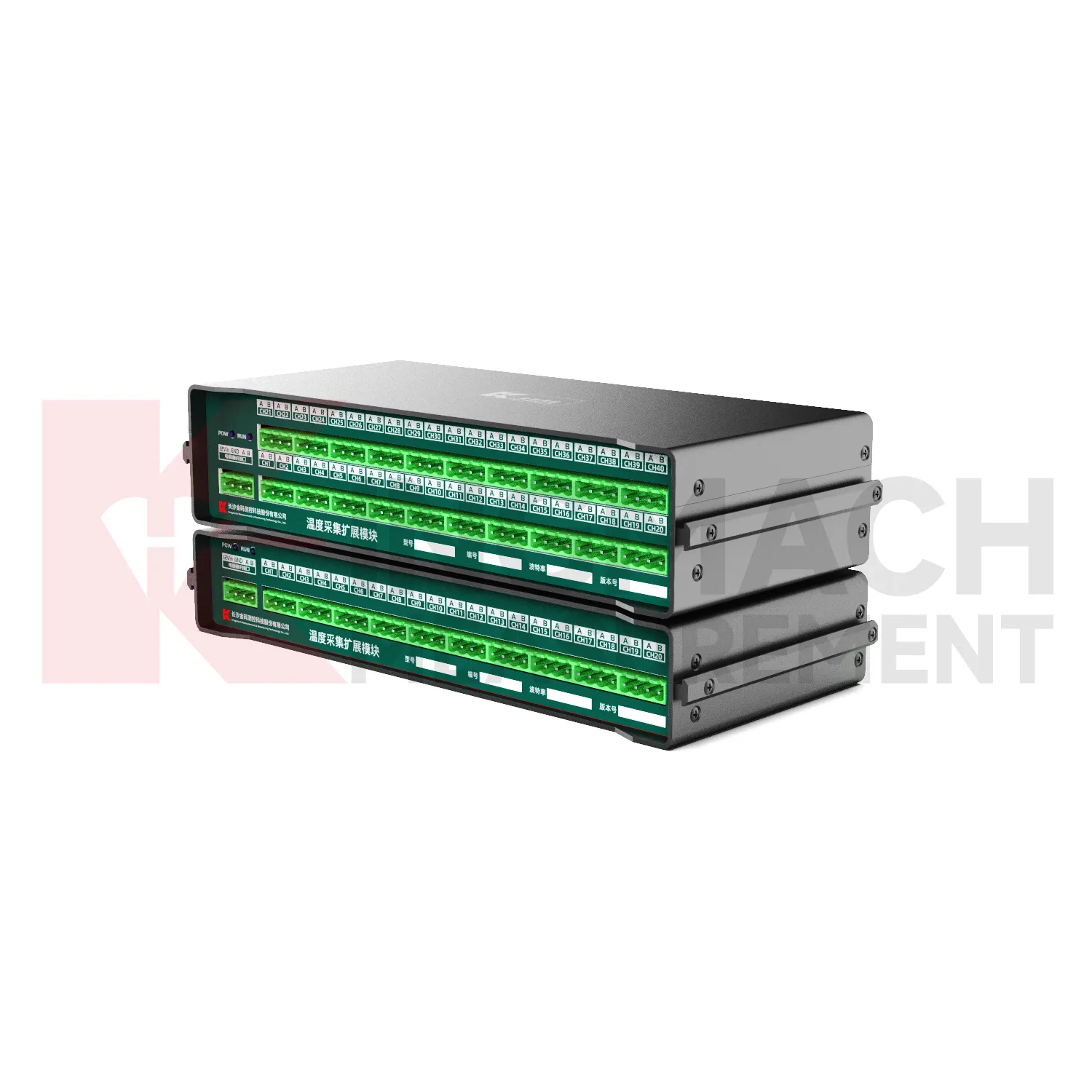
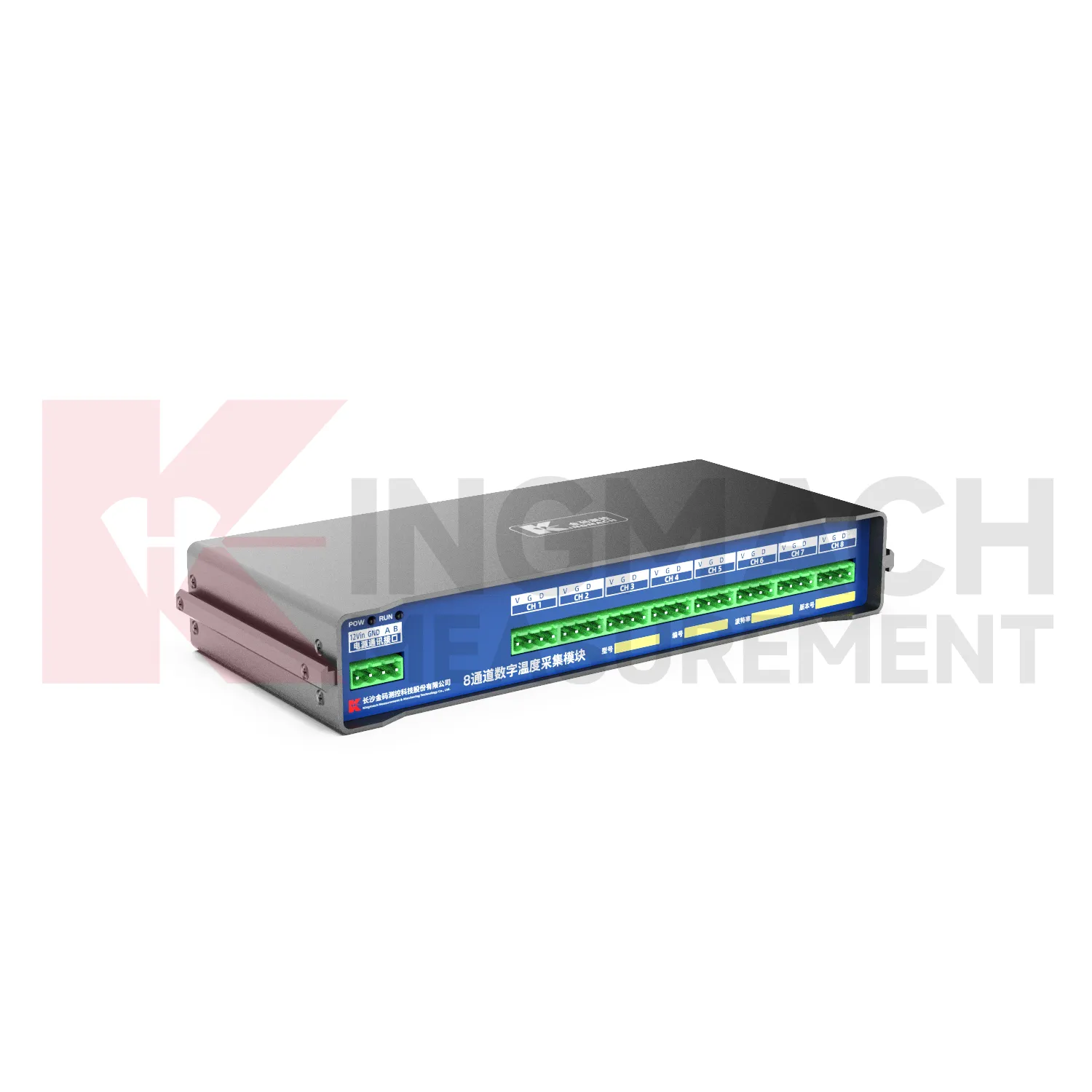
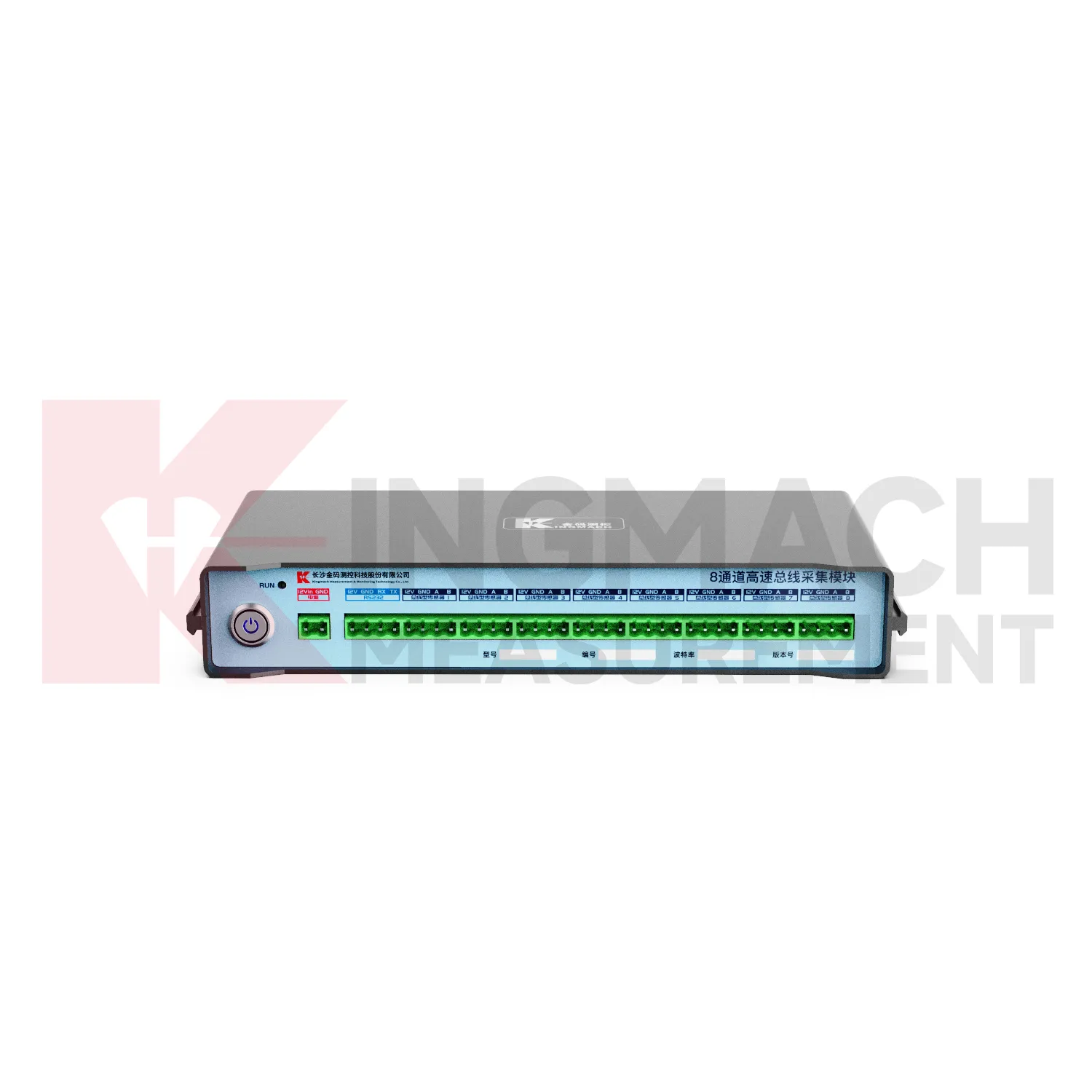
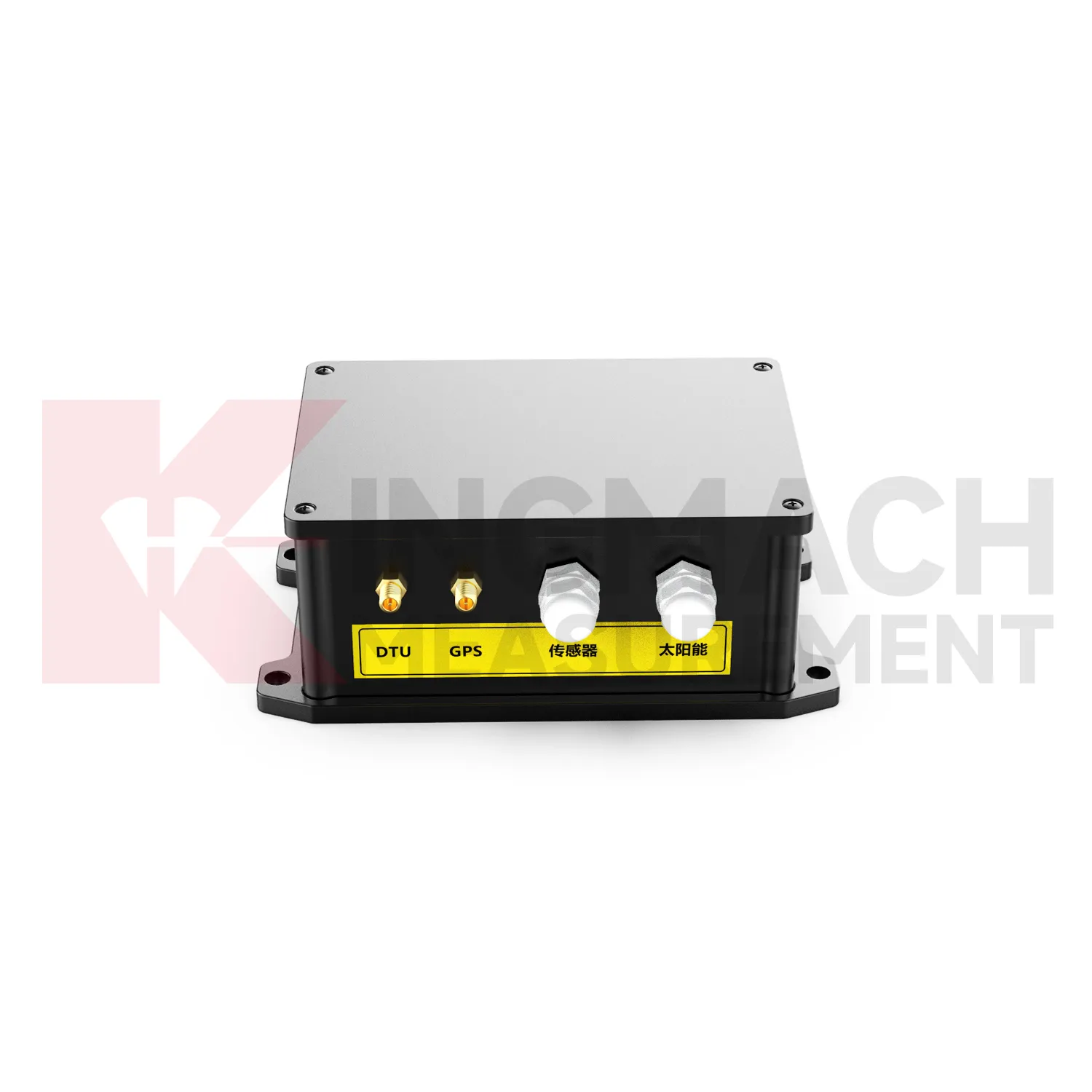
Embedded Central Data Acquisition Host
Kingmach Embedded Central Data Acquisition Host are useful because different project phases need different data behavior. During installation, technicians need immediate values, sensor checks, and wiring confirmation. During construction, supervisors may need frequent records that reflect loading, excavation, pouring, rainfall, traffic, or blasting. During operation, owners may need stable long-term acquisition with clear handover records. A readout supports fast field interaction, while a logger supports continuity. Wireless acquisition reduces the need for repeated site visits when access is difficult. Dynamic instruments support short events where timing and channel synchronization affect interpretation. A complete device plan should define who checks the data, how abnormal readings are confirmed, and where raw and reviewed records are stored. The plan should also show how the acquisition method changes as the project matures. A temporary test may need portable equipment and immediate export, while a long-term station may need battery review, remote upload, and maintenance notes. This phase-based view helps owners avoid using one data method for every task. It also makes acceptance easier because each project phase has a clear data purpose, review method, and responsible team. That clarity reduces uncertainty when monitoring moves from contractor control to owner operation. safely and consistently. for everyone. on site. clearly.
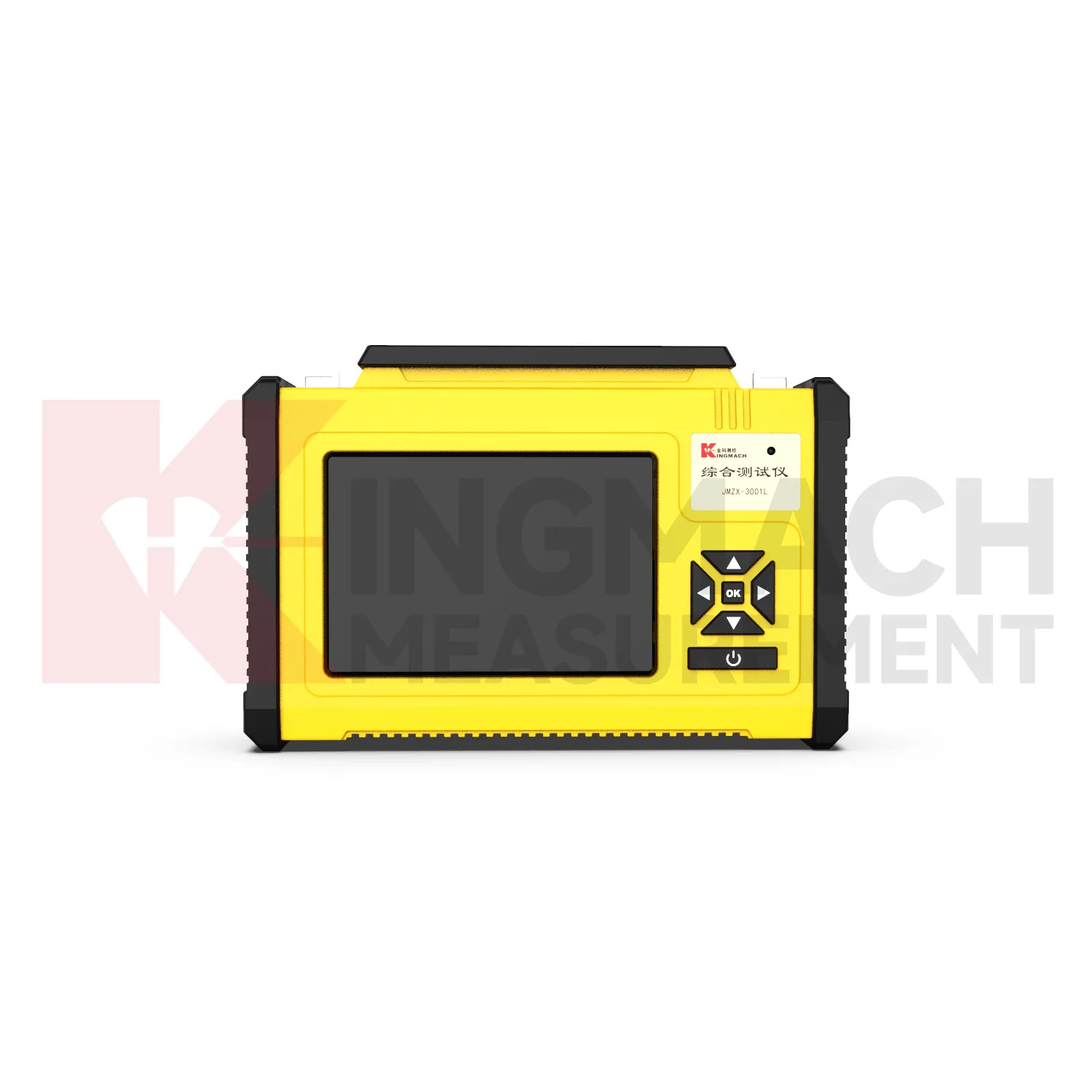
Application of Embedded Central Data Acquisition Host
Railway, subway, and transportation projects use Kingmach Embedded Central Data Acquisition Host to capture sensor readings during dynamic loading, construction disturbance, and long-term operation. Portable acquisition instruments can be used for vibration or strain events during train passage, while fixed loggers can record settlement, displacement, tilt, or environmental changes along monitored sections. The device should support clear channel naming because many points may be installed along a line, tunnel, bridge, or station box. Timing is also important: event records need enough resolution to connect the measured response with traffic or construction activity. A disciplined acquisition workflow helps owners compare repeated events instead of treating each reading as isolated. Transport monitoring often depends on matching measurement time with operating schedules. A train passage, platform work, nearby excavation, or maintenance closure can explain a short response that would be confusing in a monthly trend alone. The acquisition record should therefore keep route section, structure name, event time, sensor group, and operating note together. This helps engineers compare repeated passages and identify changes that deserve field inspection. For subway and railway assets, this is useful when night work, train intervals, tunnel ventilation, and station activity change the background condition around the sensors. during later technical review. safely.
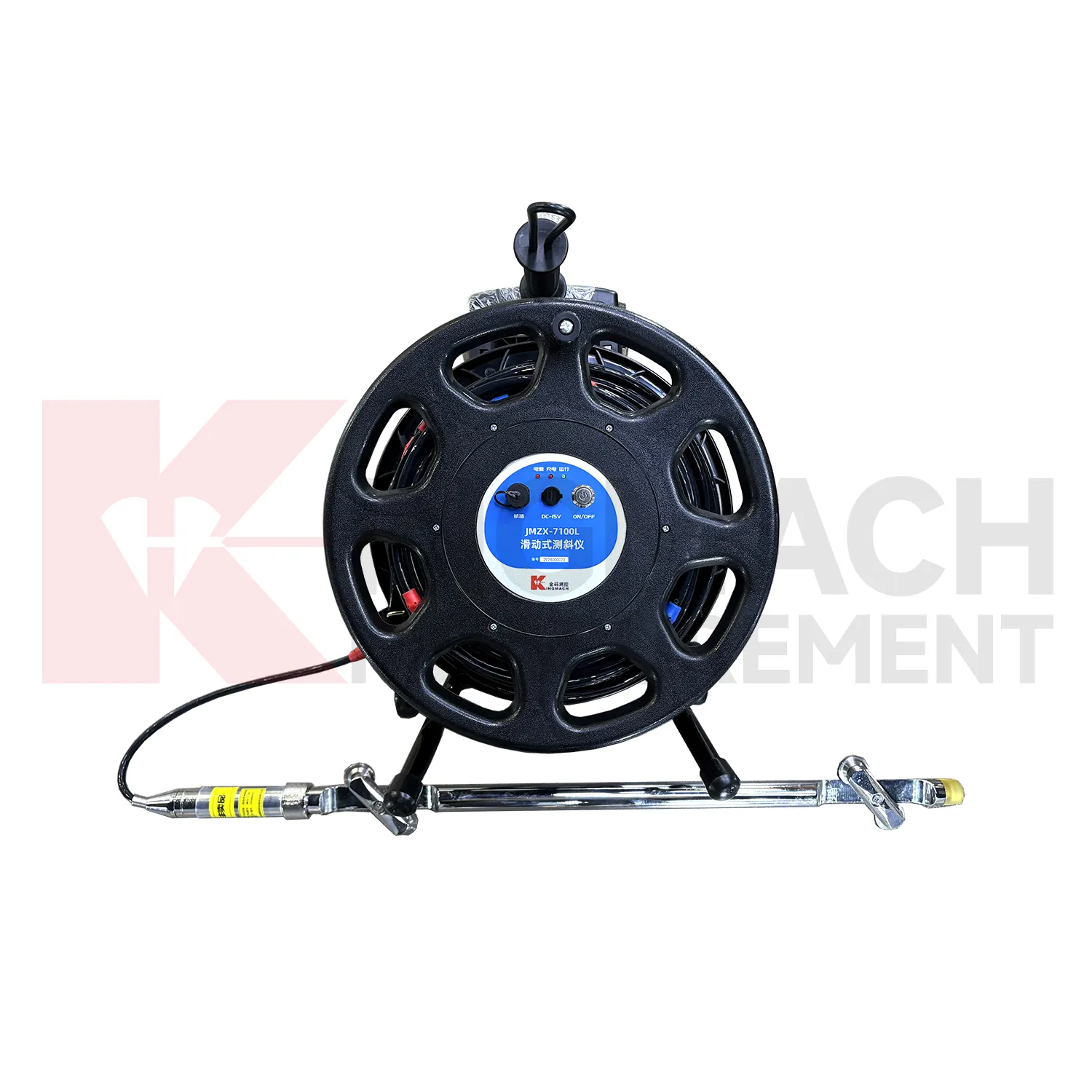
The future of Embedded Central Data Acquisition Host
Future Kingmach Embedded Central Data Acquisition Host will make remote monitoring more practical for unattended structural and geotechnical stations. Low-power acquisition, scheduled measurement, wireless upload, and remote maintenance can reduce repeated site visits. The value is not only convenience; it is continuity during weather events, night work, and restricted access periods. A remote station should show whether it is collecting, uploading, storing, and operating within expected power conditions. When this information is available, engineers can trust the data stream more confidently and plan field visits around actual station needs. Future remote stations can also make maintenance routes more efficient. If a slope logger reports weak battery but stable sensor values, the crew can prepare power service. If a bridge station uploads late after rain, the team can check enclosure and signal condition first. This kind of device context helps field work become more targeted. while protecting data continuity. across remote sites. over time. safely.
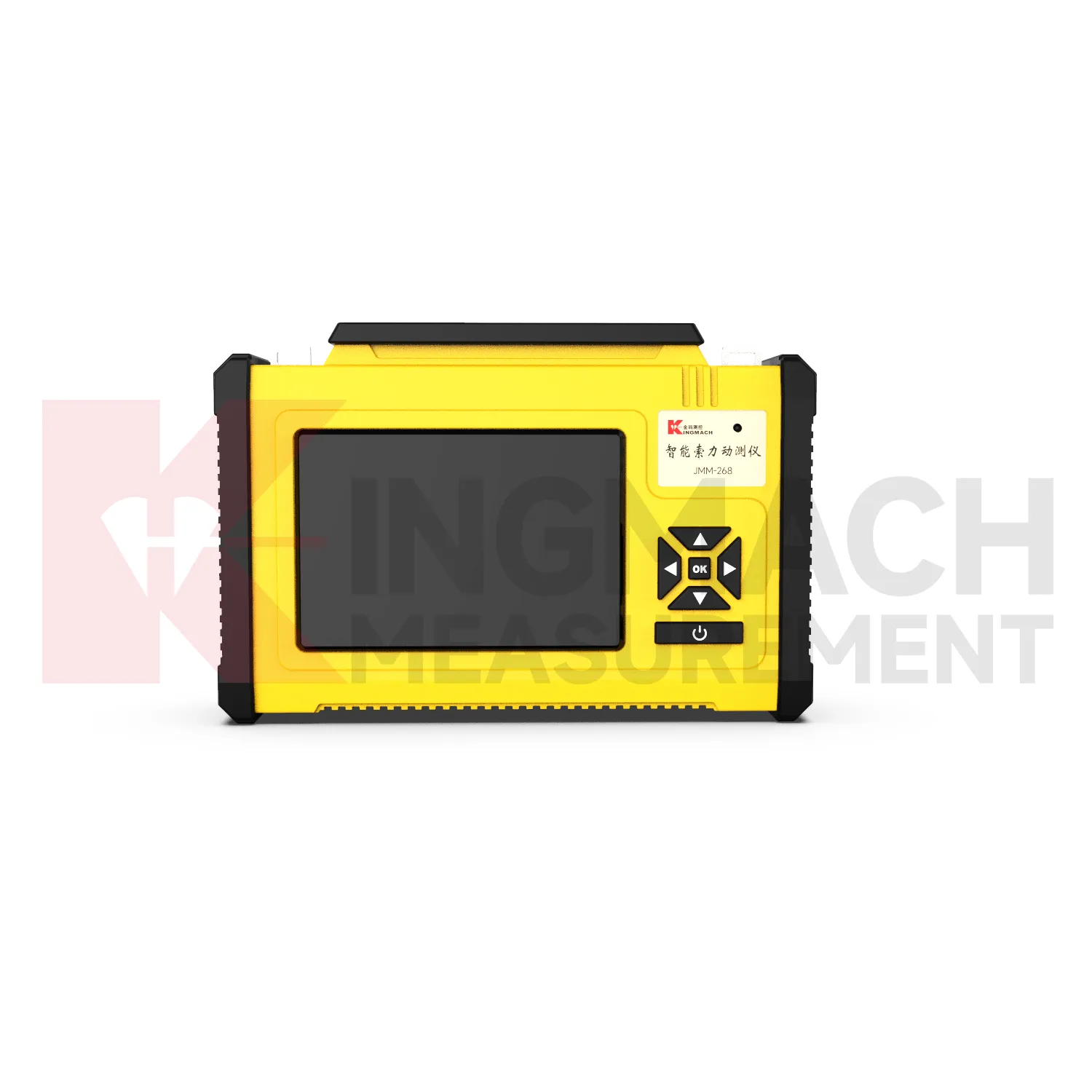
Care & Maintenance of Embedded Central Data Acquisition Host
Care and maintenance of Kingmach Embedded Central Data Acquisition Host should begin with channel and point identity. Every readout or logger record should match the physical sensor point, cable label, channel name, and project location. If labels fade, cables are moved, or channel names are changed without notes, later reviewers may not know which structure or sensor produced the value. Maintenance staff should keep updated channel lists, point photos, and connection diagrams. After a repair or reconnection, the first stable reading should be saved with a note about the work performed. This protects the monitoring history from avoidable confusion. Identity checks are especially important after sensor replacement or cabinet work. A technician should confirm the physical point before accepting a reading, then update the channel map if anything changed. This simple habit prevents a good value from being assigned to the wrong structure. during later review. by engineers and owners. over time. safely. clearly.
Kingmach Embedded Central Data Acquisition Host
A strong monitoring system needs Kingmach Embedded Central Data Acquisition Host that fit the sensor network and the site conditions. Some projects need a compact handheld unit for spot checks and commissioning. Others need a multi-channel data logger for vibrating wire sensors, dynamic strain, environmental points, or digital RS485 instruments. Remote sites may need low-power wireless acquisition with scheduled measurement and active upload. The important question is how the device helps the team keep a continuous, explainable record. Battery condition, enclosure protection, communication path, channel labels, and data export all influence whether the monitoring record can support maintenance, safety review, or construction control. For remote stations, the acquisition interval, upload status, battery condition, enclosure condition, and last maintenance visit should remain visible so unattended monitoring does not become a blind record. For dynamic tests, timing accuracy, event naming, channel synchronization, and signal conditioning help the team compare motion or strain events with construction activity, traffic, wind, or machinery operation.
FAQ
Q: How should devices be maintained?
A: Maintain batteries, connectors, labels, cable routes, enclosures, communication settings, storage, and exported records according to site conditions.
Q: Why record setting changes?
A: A changed interval, communication method, channel name, or firmware state can affect later interpretation, so the date and reason should remain visible.
Q: Can data be reviewed remotely?
A: Wireless and platform-connected devices can support remote review when communication, power, upload settings, and channel identity are configured correctly.
Q: What makes long-term records useful?
A: Long-term records stay useful when baseline values, maintenance notes, device status, sensor locations, and normal behavior examples remain available.
Q: What should buyers ask suppliers?
A: Buyers should ask about sensor compatibility, channel capacity, power planning, storage, communication, export format, field protection, and after-sales support. The record stays useful when point names, channel labels, sensor type, measurement time, and field condition are kept together, because later reviewers can connect the number with the actual structure and inspection history.
Reviews
Joshua Clark
We ordered a full monitoring solution including sensors and data loggers. Everything works seamlessly together. Great supplier!
Matthew Garcia
Instrumentation cables are durable and perform well even in harsh environments. Will definitely order again.
Latest Inquiries
To protect the privacy of our buyers, only public service email domains like Gmail, Yahoo, and MSN will be displayed. Additionally, only a limited portion of the inquiry content will be shown.
Olivia***@gmail.comUnited States
Hello, we are currently sourcing high-precision strain gauges and load cells for a bridge monitoring...
Harper***@gmail.comIndia
Dear Sir, we are planning to procure a complete monitoring system including strain gauges, tiltmeter...
Related product categories
- Lowpower Industrialgrade Wireless Data Logger
- Lowpower 4G Wireless Data Logger
- Industrial Automation Chassis
- Embedded Automation Chassis
- Rackmount Automation Chassis
- Custom Automation Chassis
- Integrated Automation Chassis
- Wallmount Automation Chassis
- Tilt Acquisition Module
- Temperature and Humidity Acquisition
- Platforms & Services
- Structural Health Monitoring (SHM) System