
 EN
EN
 ar
ar bg
bg hr
hr cs
cs da
da nl
nl fi
fi fr
fr de
de el
el hi
hi it
it ko
ko no
no pl
pl pt
pt ro
ro ru
ru es
es sv
sv tl
tl iw
iw id
id lv
lv lt
lt sr
sr sk
sk sl
sl uk
uk vi
vi et
et hu
hu th
th tr
tr fa
fa ms
ms hy
hy ka
ka ur
ur bn
bn mn
mn ta
ta kk
kk uz
uz ku
ku
weir flow meter
Kingmach weir flow meter is suitable for water management tasks where operators need to understand flow behavior over time. In irrigation, the record can help compare branch delivery and operating schedules. In drainage, it can show storm response and delayed discharge. In tunnel or underground work, it can support seepage and discharge review. In water conservancy projects, it can help document controlled flow through a small structure. Each application has a different reason for measuring, but the review logic is similar: establish a reliable measuring section, collect a stable head record, convert it into flow behavior, and compare that behavior with field conditions. The product description can avoid unnecessary technical stacking and explain how the measurement helps the user decide whether the water system is behaving as expected. A weir point also needs safe routine access. If staff cannot reach the crest, enclosure, or sensing area during wet weather, the project may collect data but struggle to maintain confidence in it when the record is most important. Designers, operators, maintenance staff, and owners may read the same curve, so the record needs clear site conditions, inspection notes, and action history in plain engineering language. For water accounting or resource management, the same section, reference point, and maintenance discipline make seasonal and operational comparison reliable.
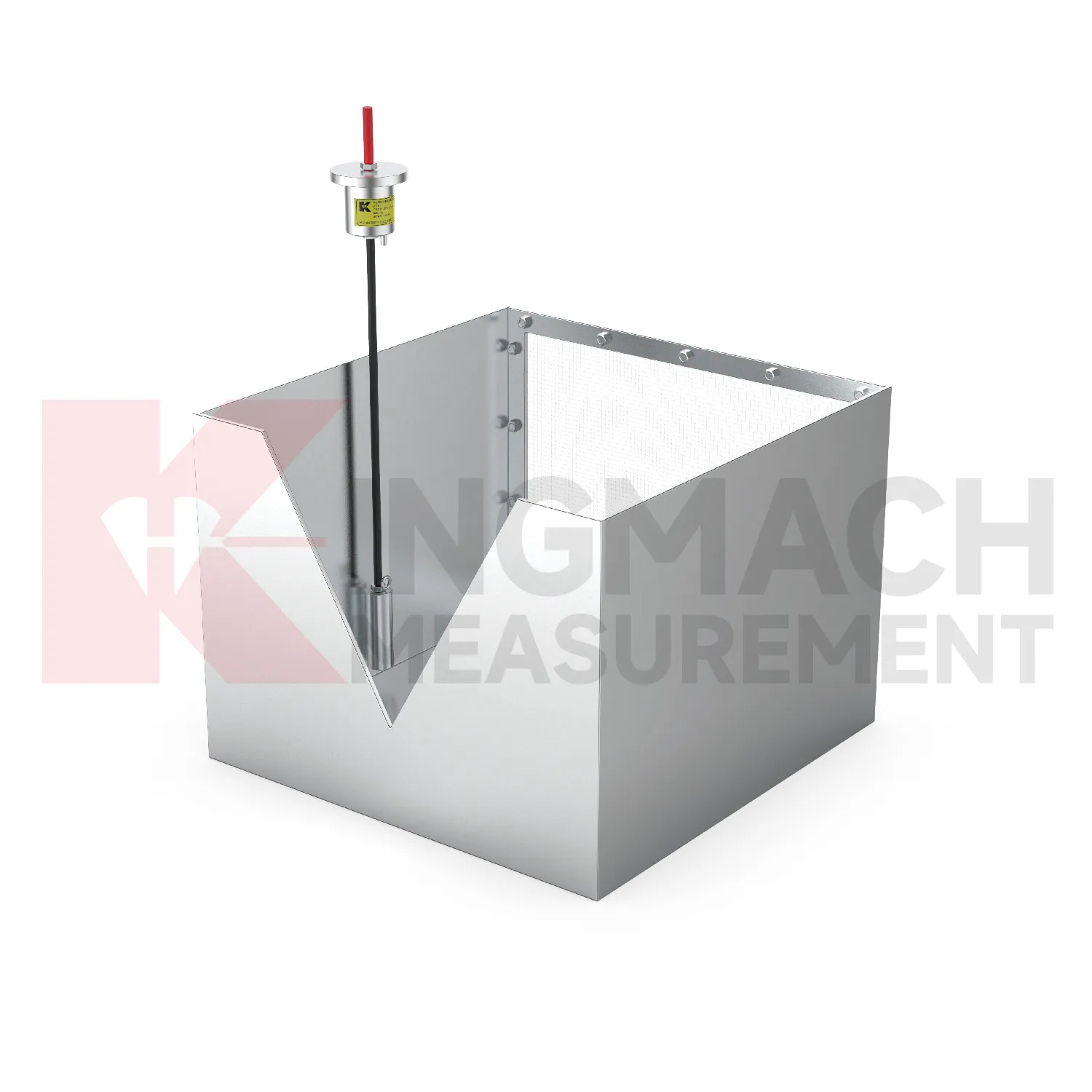
Application of weir flow meter
Water conservancy projects use Kingmach weir flow meter to observe controlled flow through small structures, channels, test sections, and auxiliary discharge points. The measurement is useful when operators need a continuous record rather than occasional visual checks. A weir point can show how flow changes after rainfall, gate operation, upstream storage variation, or maintenance work. The application should be planned around the water path: approach condition, weir crest, water head reference, downstream influence, and cleaning access. Data should be reviewed with reservoir level, rainfall, gate records, seepage notes, and field inspection. If the flow curve changes suddenly, the team should check both the water condition and the measuring section. This approach helps water conservancy teams use flow monitoring as part of operation, maintenance, and safety review rather than a separate instrument reading. In these projects, the flow point may support canal regulation, spillway observation, auxiliary drainage, or small test structures. The record is strongest when it is linked to the purpose of the channel. Operators can compare the trend with gate timing, upstream water level, and inspection notes, then decide whether the change reflects normal operation, a blockage, or a field condition that needs direct confirmation. This keeps operational review connected to hydraulic reality.
The future of weir flow meter
Future Kingmach weir flow meter will make maintenance analytics more useful. A flow curve can reveal more than water volume; it can suggest sediment build-up, vegetation growth, debris, downstream backwater, or changed upstream operation. Future platforms can flag slow drift, sudden jumps, flatlines, and disagreements with rainfall or water level records. These checks will not replace field inspection, but they can tell maintenance teams where to look first. A channel that slowly loses capacity should be cleaned before it creates an operating problem. A point that reports impossible behavior should be verified before the data is used in a report. The next step is to connect alarms with practical field tasks. Instead of only saying that a value changed, the system can help operators decide whether to inspect the crest, check the outlet, review recent pumping, or compare the reading with a nearby level point. That kind of guidance saves time in remote channels and keeps routine maintenance tied to measurable behavior.
Care & Maintenance of weir flow meter
Care and maintenance of Kingmach weir flow meter should begin with the weir section itself. The crest, approach channel, water head location, and downstream condition must remain consistent with the original measuring purpose. Debris, sediment, algae, vegetation, damaged edges, or changed channel shape can affect the record even when the electronics are healthy. Maintenance staff should inspect the hydraulic control, not only the enclosure. Photographs after cleaning are useful because they show whether the measuring section remained clear. A flow curve is only as trustworthy as the channel condition behind it. A good routine separates hydraulic housekeeping from instrument checks. Crews can walk the channel after storms, remove trapped material before it hardens, confirm that the staff reference remains readable, and note whether nearby construction has changed the approach path. The written record should describe observed conditions in plain language, so a later reviewer can understand why a reading changed before adjusting any calculation or blaming the device.
Kingmach weir flow meter
For water conservancy and drainage work, Kingmach weir flow meter helps turn routine channel observation into a record that can be compared over time. Manual checks may capture a single moment, but automatic flow monitoring can show daily rhythm, storm response, operating changes, and abnormal behavior. The data is useful when it answers practical questions: Is the channel passing expected flow? Did a maintenance action restore capacity? Did a rainfall event create delayed discharge? Did sediment or debris affect the measurement? A strong flow monitoring plan connects the weir point with field inspection and maintenance notes so the number remains explainable. The value is not only in collecting a level reading. It is in creating a stable reference for how a channel behaves under normal use, heavy rain, seasonal change, and maintenance activity. When the same location is observed consistently, operators can see whether the site is changing gradually or reacting to a specific event.
FAQ
Q: What should buyers define before ordering?
A: Define the water path, measuring purpose, channel condition, access, data review method, maintenance plan, and related site records.
Q: Can one flow point answer every water question?
A: No. Each point should represent a defined channel or discharge path and should be linked to the engineering question it supports.
Q: Why avoid product and parameter lists in the page?
A: Readers need to understand how the flow point works in the channel, how it is maintained, and how the data supports decisions.
Q: What makes long-term flow data reliable?
A: Stable installation, clean hydraulic control, consistent maintenance, clear units, point photos, and visible repair history make long-term data reliable.
Q: How should flow data be reported?
A: Reports should show the measured channel, time period, flow trend, related site conditions, inspection notes, and any action taken. For water accounting or resource management, the same section, reference point, and maintenance discipline make seasonal and operational comparison reliable.
Reviews
Ryan Lewis
Fast delivery and excellent product quality. The accelerometers and tiltmeters are highly reliable. Strongly recommend this company.
David Wilson
We purchased displacement transducers and settlement sensors, and the quality exceeded our expectations. Easy installation and reliable performance.
Latest Inquiries
To protect the privacy of our buyers, only public service email domains like Gmail, Yahoo, and MSN will be displayed. Additionally, only a limited portion of the inquiry content will be shown.
Mia***@gmail.comNetherlands
Dear team, we are interested in your readouts & data loggers compatible with multiple sensors. Do yo...
Ava***@gmail.comAustralia
Hi, I am looking for reliable tiltmeters and accelerometers for structural health monitoring. Please...
Related product categories
- Intelligent Weir Flow Meter
- Smart Weir Flow Meter
- weir flow meter
- weir type flow meter
- weir flow meter Price
- weir flow meter Manufacturer
- weir flow meter Supplier
- weir flow meter Solution
- weir flow meter System Integration
- weir flow meter Localization
- weir flow meter Domestic Manufacturing
- weir flow meter China