
 EN
EN
 ar
ar bg
bg hr
hr cs
cs da
da nl
nl fi
fi fr
fr de
de el
el hi
hi it
it ko
ko no
no pl
pl pt
pt ro
ro ru
ru es
es sv
sv tl
tl iw
iw id
id lv
lv lt
lt sr
sr sk
sk sl
sl uk
uk vi
vi et
et hu
hu th
th tr
tr fa
fa ms
ms hy
hy ka
ka ur
ur bn
bn mn
mn ta
ta kk
kk uz
uz ku
ku
weir flow meter Manufacturer
For long-term reliability, Kingmach weir flow meter Manufacturer requires maintenance and verification planning. A weir point can remain accurate only if the hydraulic control remains clean and the water head reading remains tied to the correct reference. Routine inspection should check debris, sediment, crest damage, enclosure condition, cable safety, and whether the water surface behaves normally near the measuring section. Verification should be easier if the project file contains photographs, installation notes, and the original site purpose. This kind of description helps buyers understand the full responsibility of flow monitoring. The device provides the measurement path, but the owner keeps the channel condition and data interpretation healthy. A practical review also checks whether the measuring section remained clean and hydraulically stable. Sediment, debris, vegetation, downstream backwater, or a disturbed approach can change the meaning of the same water-head reading, so those conditions belong in the project notes. For long-term operation, the point name, flow direction, channel purpose, cleaning history, and first stable value should remain visible. Those details help a new operator understand why the point exists and how the data should be used after handover. During abnormal events, the team should compare the flow record with rainfall, upstream control, pumping, seepage, inspection findings, and maintenance work. That comparison helps separate normal water response from blockage, measurement disturbance, or a change in the water system.
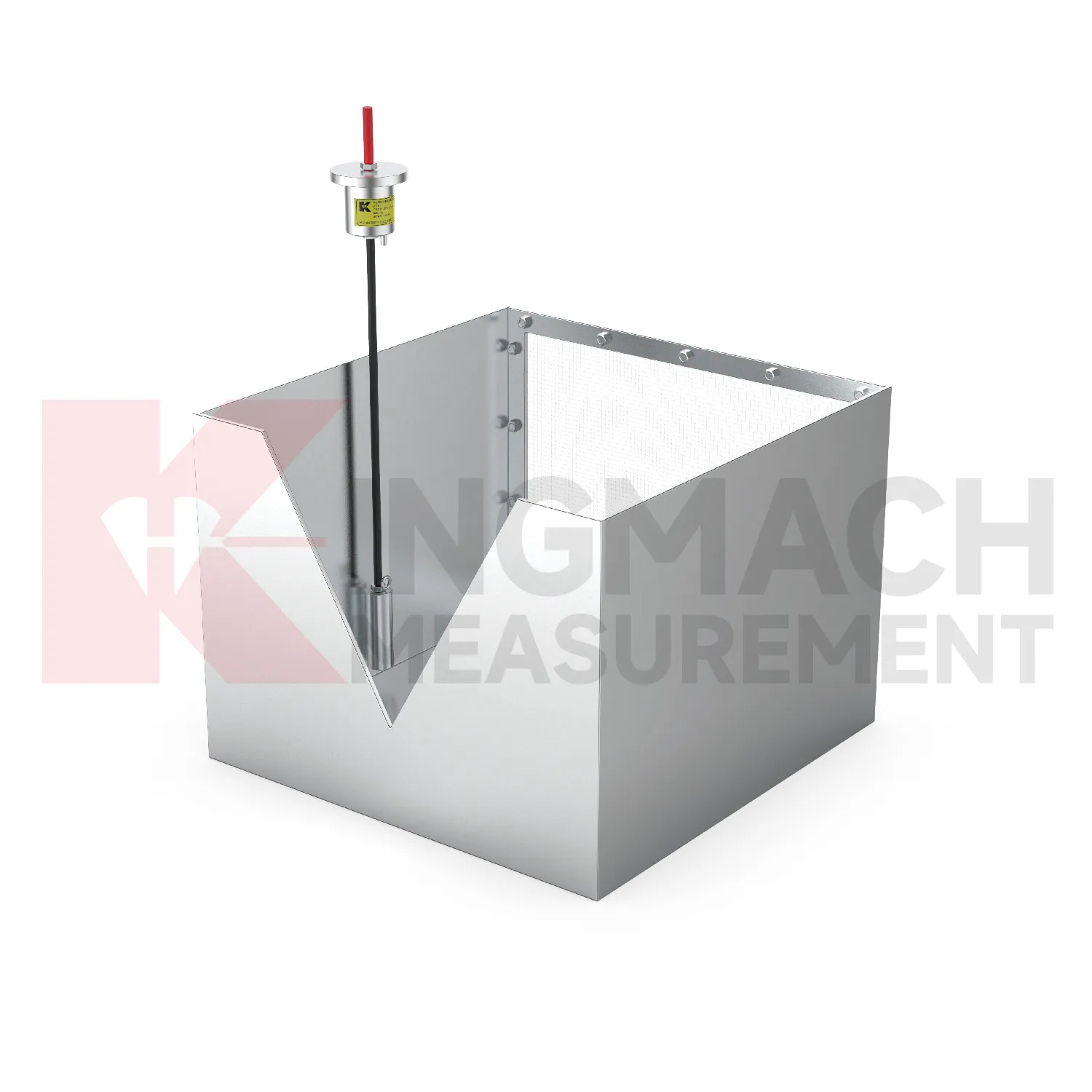
Application of weir flow meter Manufacturer
Dam and slope drainage applications use Kingmach weir flow meter Manufacturer to connect water discharge with ground or structural behavior. In a dam gallery, toe drain, slope drainage channel, or retaining structure outlet, flow changes may reflect rainfall, seepage, groundwater variation, or maintenance work. The flow record should be reviewed with pore pressure, settlement, displacement, rainfall, reservoir level, and inspection notes when those records exist. A gradual rise during wet periods may be expected, but a sudden dry-weather change deserves attention. The measuring section should be protected from sediment and vegetation because blockage can make the curve misleading. This application turns drainage flow into a supporting record for safety review. A weir point also needs safe routine access. If staff cannot reach the crest, enclosure, or sensing area during wet weather, the project may collect data but struggle to maintain confidence in it when the record is most important. For dams and slopes, the review should focus on correlation rather than isolated readings. A flow increase near other movement or pressure changes deserves a different level of attention from a short increase after known rainfall. Clear notes help engineers decide whether continued observation, cleaning, inspection, or further investigation is appropriate. That discipline keeps the flow record useful during both routine inspections and unusual weather.
The future of weir flow meter Manufacturer
The future of Kingmach weir flow meter Manufacturer will place more attention on readable reporting. Flow monitoring often serves mixed audiences: hydraulic engineers, maintenance teams, water managers, construction supervisors, and asset owners. A useful report should explain the measured channel, the time period, the event, the flow trend, the site condition, and the action taken. It should not require every reader to interpret raw curves. Clear reporting will make flow data easier to use during storm review, irrigation planning, tunnel maintenance, drainage management, and long-term asset reporting. Future reports should separate observation from judgment. The chart may show a rise or drop, while the note explains rainfall, pumping, cleaning, blockage, or downstream influence. When those layers are visible, different teams can discuss the same event without losing the field context. Readable reporting saves time because it makes the next action easier to agree on. It also makes monthly review easier for non-specialist managers.
Care & Maintenance of weir flow meter Manufacturer
Data review is part of maintaining Kingmach weir flow meter Manufacturer. Look for flatlines, impossible jumps, gradual drift, repeated storm response, missing intervals, and flow changes that do not match rainfall or operation. If a flow curve changes, check channel condition, cleaning history, upstream activity, downstream backwater, and enclosure health. A good review does not treat every abnormal curve as a water event. It first asks whether the measuring point remained physically healthy. This habit reduces false concern and helps the team respond faster when the flow change is real. Review work should be scheduled, not left only for emergencies. A weekly or monthly check can find small data gaps, weak communication, or gradual hydraulic change before they become reporting problems. When a reviewer marks a period as doubtful, the reason should be written clearly so later users know how to treat that section of history. without guessing later. in future reports.
Kingmach weir flow meter Manufacturer
Kingmach weir flow meter Manufacturer is relevant wherever flow regulation and water resource management depend on reliable open-channel measurement. A weir installation can support irrigation allocation, drainage review, water treatment inflow, reservoir auxiliary discharge, tunnel seepage observation, or small hydraulic structures. The measurement should be treated as part of an operating system. Channel approach, crest condition, water head reading, data collection, and routine cleaning all affect the final flow record. When these parts are documented, the owner can compare current flow with past behavior and decide whether action is needed. The value comes from repeatable measurement, not from isolated readings. A weir point also needs safe routine access. If staff cannot reach the crest, enclosure, or sensing area during wet weather, the project may collect data but struggle to maintain confidence in it when the record is most important. Designers, operators, maintenance staff, and owners may read the same curve, so the record needs clear site conditions, inspection notes, and action history in plain engineering language.
FAQ
Q: How does Kingmach weir flow meter Manufacturer help drainage projects?
A: It shows how discharge changes during routine operation, storms, dewatering, blockage, cleaning, or downstream backwater.
Q: How does it help irrigation projects?
A: It helps compare delivery timing, flow distribution, channel condition, rainfall effect, and water-use management across operating periods.
Q: How does it help tunnels?
A: It can track drainage or seepage-related flow and compare changes with rainfall, groundwater, maintenance cleaning, or underground construction activity.
Q: How does it help dam or slope drainage?
A: It provides a flow record that can be reviewed with seepage, rainfall, pore pressure, settlement, displacement, and inspection notes.
Q: How does it fit into a platform?
A: It works as the flow layer beside rainfall, water level, seepage, environmental, and structural monitoring records. A weir point also needs safe routine access. If staff cannot reach the crest, enclosure, or sensing area during wet weather, the project may collect data but struggle to maintain confidence in it when the record is most important.
Reviews
James Thompson
The tiltmeters and accelerometers are very sensitive and provide precise data. Perfect for our structural health monitoring system.
Andrew Lee
The visualization software is intuitive and powerful. It helps us analyze monitoring data efficiently.
Latest Inquiries
To protect the privacy of our buyers, only public service email domains like Gmail, Yahoo, and MSN will be displayed. Additionally, only a limited portion of the inquiry content will be shown.
Isabella***@gmail.comGermany
Hello, we are evaluating weir flow meters for a water management project. Please share accuracy deta...
Amelia***@gmail.comSingapore
Hello, I am looking for visualization software for monitoring system data analysis. Please let me kn...