
 EN
EN
 ar
ar bg
bg hr
hr cs
cs da
da nl
nl fi
fi fr
fr de
de el
el hi
hi it
it ko
ko no
no pl
pl pt
pt ro
ro ru
ru es
es sv
sv tl
tl iw
iw id
id lv
lv lt
lt sr
sr sk
sk sl
sl uk
uk vi
vi et
et hu
hu th
th tr
tr fa
fa ms
ms hy
hy ka
ka ur
ur bn
bn mn
mn ta
ta kk
kk uz
uz ku
ku
weir flow meter System Integration
Kingmach weir flow meter System Integration is built around the practical task of measuring flow in a controlled open-channel section. The system concept combines a weir structure with precise water head observation, then converts that head change into a flow record that can be reviewed over time. This approach is useful in water conservancy, drainage, irrigation, tunnel discharge, small hydraulic structures, and water resource management because it gives teams a repeatable way to compare changing flow conditions. A useful product description can follow the field chain: water approaches the weir, the control section creates a stable relationship, the head is measured, the data is transmitted, and the record is reviewed with site notes. Accuracy depends not only on the instrument but also on the shape and condition of the channel. Sediment, debris, turbulence, backwater, poor leveling, or an unclear reference point can all make a clean sensor record less meaningful. For that reason, a complete project should define installation location, cleaning access, data review, and maintenance responsibility before the point is put into service. For water accounting or resource management, the same section, reference point, and maintenance discipline make seasonal and operational comparison reliable. If the channel is modified, the record should not hide the change. A repair, new crest, cleaned approach, moved enclosure, or changed data channel can affect comparability and should be visible beside the next flow trend.
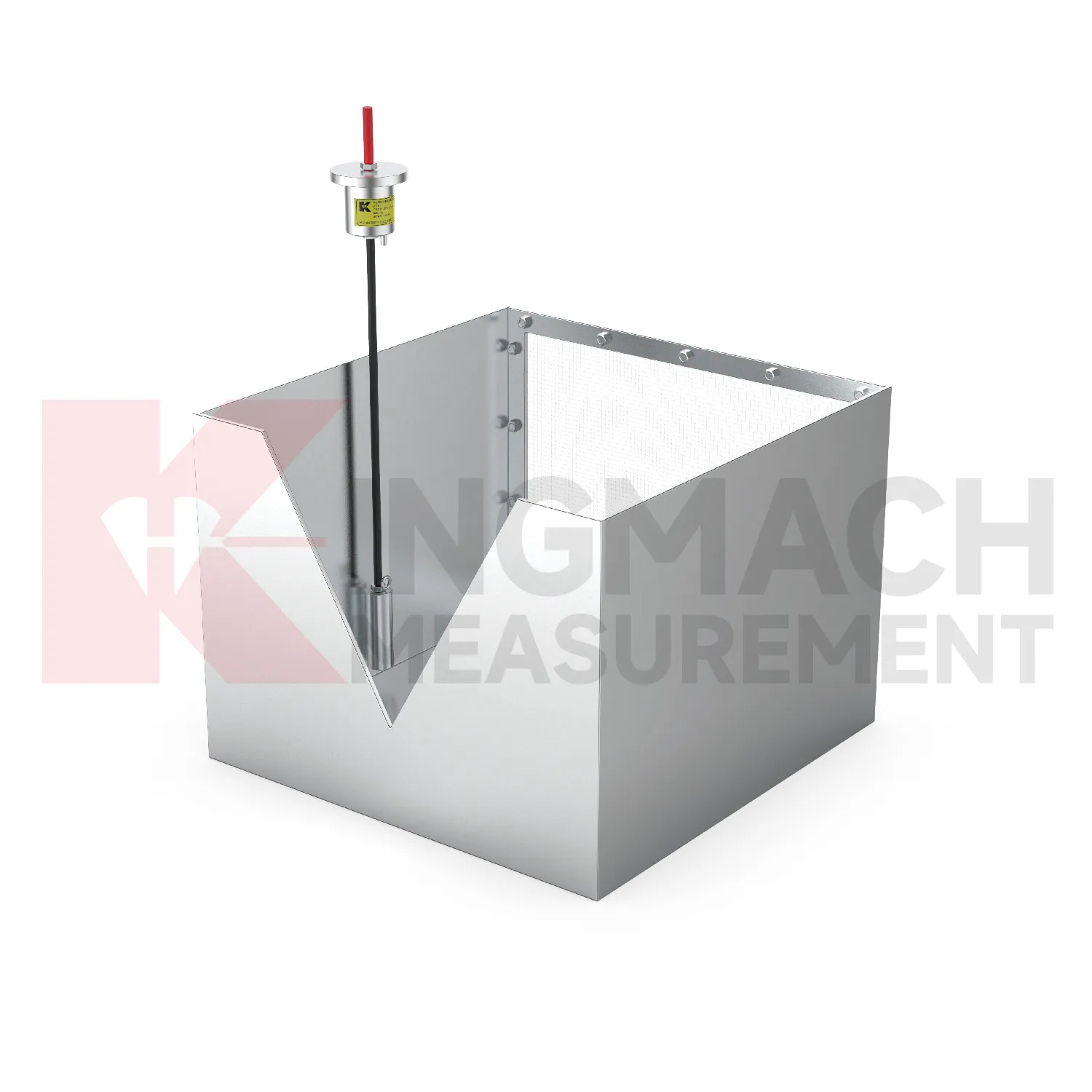
Application of weir flow meter System Integration
Environmental and water resource management projects use Kingmach weir flow meter System Integration to build a repeatable record of small-channel flow. These projects may involve natural runoff, managed drainage, irrigation return flow, or discharge from a monitored structure. A weir point can help document seasonal patterns, storm response, dry-period base flow, and maintenance effects. The record should be reviewed with rainfall, soil wetness, upstream activities, and field observations. Because environmental channels can carry debris, vegetation, sediment, or biological growth, routine inspection is part of the measurement plan. A clean flow record helps teams manage water responsibly and explain changes to owners, regulators, or local operation staff. For water accounting or resource management, the same section, reference point, and maintenance discipline make seasonal and operational comparison reliable. If the channel is modified, the record should not hide the change. A repair, new crest, cleaned approach, moved enclosure, or changed data channel can affect comparability and should be visible beside the next flow trend. The field record should explain the water path, the condition before the reading changed, the inspection access, and whether nearby operations or weather events affected the channel. This keeps the flow curve connected to real site behavior rather than leaving it as an isolated number.
The future of weir flow meter System Integration
Digital handover will be a stronger future requirement for Kingmach weir flow meter System Integration. A flow point may remain in operation for years, long after the installation team has left. Future handover records should include the purpose of the point, channel photographs, weir geometry notes, water head reference, cable route, data channel, cleaning access, and first stable record. This context helps later reviewers understand whether the point measures drainage, irrigation, seepage, process water, or another water path. A good handover file keeps the flow curve meaningful through staff changes, repairs, and changes in site operation. Future systems should make that file easy to update after every important field action. If a crew cleans sediment, replaces a cable, adjusts a reference, or changes a platform channel, the note should stay with the station history. This turns handover from a one-time folder into a living record that protects long-term interpretation. It also helps new teams avoid repeated investigation.
Care & Maintenance of weir flow meter System Integration
Data review is part of maintaining Kingmach weir flow meter System Integration. Look for flatlines, impossible jumps, gradual drift, repeated storm response, missing intervals, and flow changes that do not match rainfall or operation. If a flow curve changes, check channel condition, cleaning history, upstream activity, downstream backwater, and enclosure health. A good review does not treat every abnormal curve as a water event. It first asks whether the measuring point remained physically healthy. This habit reduces false concern and helps the team respond faster when the flow change is real. Review work should be scheduled, not left only for emergencies. A weekly or monthly check can find small data gaps, weak communication, or gradual hydraulic change before they become reporting problems. When a reviewer marks a period as doubtful, the reason should be written clearly so later users know how to treat that section of history. without guessing later. in future reports.
Kingmach weir flow meter System Integration
Kingmach weir flow meter System Integration is useful for small changes because flow problems often begin quietly. A gradual reduction may suggest sediment, vegetation, debris, gate change, or downstream backwater. A sudden increase may follow rainfall, pump activity, discharge operation, or a fault in the upstream system. If the flow record is stored with inspection notes, the team can separate water behavior from measurement trouble. That makes the system useful for maintenance teams as well as designers. The record should help answer what changed, when it changed, and whether the change belongs to water movement or to the measuring point. In many field projects, that distinction prevents wasted trips and confused reports. Operators can review the trend before visiting the channel, then use the visit to confirm hydraulic condition, access safety, and any visible change around the crest or outlet. The result is a clearer operating picture, not just another number in a database.
FAQ
Q: What should buyers define before ordering?
A: Define the water path, measuring purpose, channel condition, access, data review method, maintenance plan, and related site records.
Q: Can one flow point answer every water question?
A: No. Each point should represent a defined channel or discharge path and should be linked to the engineering question it supports.
Q: Why avoid product and parameter lists in the page?
A: Readers need to understand how the flow point works in the channel, how it is maintained, and how the data supports decisions.
Q: What makes long-term flow data reliable?
A: Stable installation, clean hydraulic control, consistent maintenance, clear units, point photos, and visible repair history make long-term data reliable.
Q: How should flow data be reported?
A: Reports should show the measured channel, time period, flow trend, related site conditions, inspection notes, and any action taken. For water accounting or resource management, the same section, reference point, and maintenance discipline make seasonal and operational comparison reliable.
Reviews
Robert Taylor
The weir flow meter is well-built and delivers accurate measurements. Great value for water management applications.
Michael Anderson
The strain gauges and load cells are extremely accurate and stable. They performed very well in our bridge monitoring project. Highly recommended!
Latest Inquiries
To protect the privacy of our buyers, only public service email domains like Gmail, Yahoo, and MSN will be displayed. Additionally, only a limited portion of the inquiry content will be shown.
Charlotte***@gmail.comUnited Arab Emirates
Hi, we require instrumentation cables suitable for harsh environments. Could you advise on specifica...
Ava***@gmail.comAustralia
Hi, I am looking for reliable tiltmeters and accelerometers for structural health monitoring. Please...
Related product categories
- weir flow meter Supplier
- weir flow meter Solution
- weir flow meter System Integration
- weir flow meter Localization
- weir flow meter Domestic Manufacturing
- weir flow meter China
- weir flow meter Factory Price
- weir flow meter Cost effective
- weir flow meter Instant
- weir flow meter custom
- weir flow meter steep discount
- weir flow meter introductory