
 EN
EN
 ar
ar bg
bg hr
hr cs
cs da
da nl
nl fi
fi fr
fr de
de el
el hi
hi it
it ko
ko no
no pl
pl pt
pt ro
ro ru
ru es
es sv
sv tl
tl iw
iw id
id lv
lv lt
lt sr
sr sk
sk sl
sl uk
uk vi
vi et
et hu
hu th
th tr
tr fa
fa ms
ms hy
hy ka
ka ur
ur bn
bn mn
mn ta
ta kk
kk uz
uz ku
ku
weir flow meter introductory
Kingmach weir flow meter introductory can serve both short-term testing and long-term operation. During commissioning, the project team may need to confirm that the weir section is stable, the water head reading responds sensibly, and the data path records the correct point. During long-term use, the owner may care more about trends, maintenance events, seasonal changes, and abnormal flow patterns. The same measuring point must support both phases. That means the handover file should include drawings, photographs, channel notes, cleaning access, first stable readings, data channel names, and maintenance instructions. If the point is later repaired or cleaned, the maintenance note should remain visible beside the curve. This keeps the record useful after the original installation team has left. Handover quality has a direct effect on future trust. New operators should know why the point was installed, where the water comes from, what conditions make the reading unreliable, and how to recognize a channel problem. Photos before and after cleaning, a simple access route, and a short note about expected seasonal behavior can prevent confusion years after installation. Good documentation turns one monitoring point into a durable operating asset rather than a forgotten instrument record. It also makes later audits faster and more consistent.
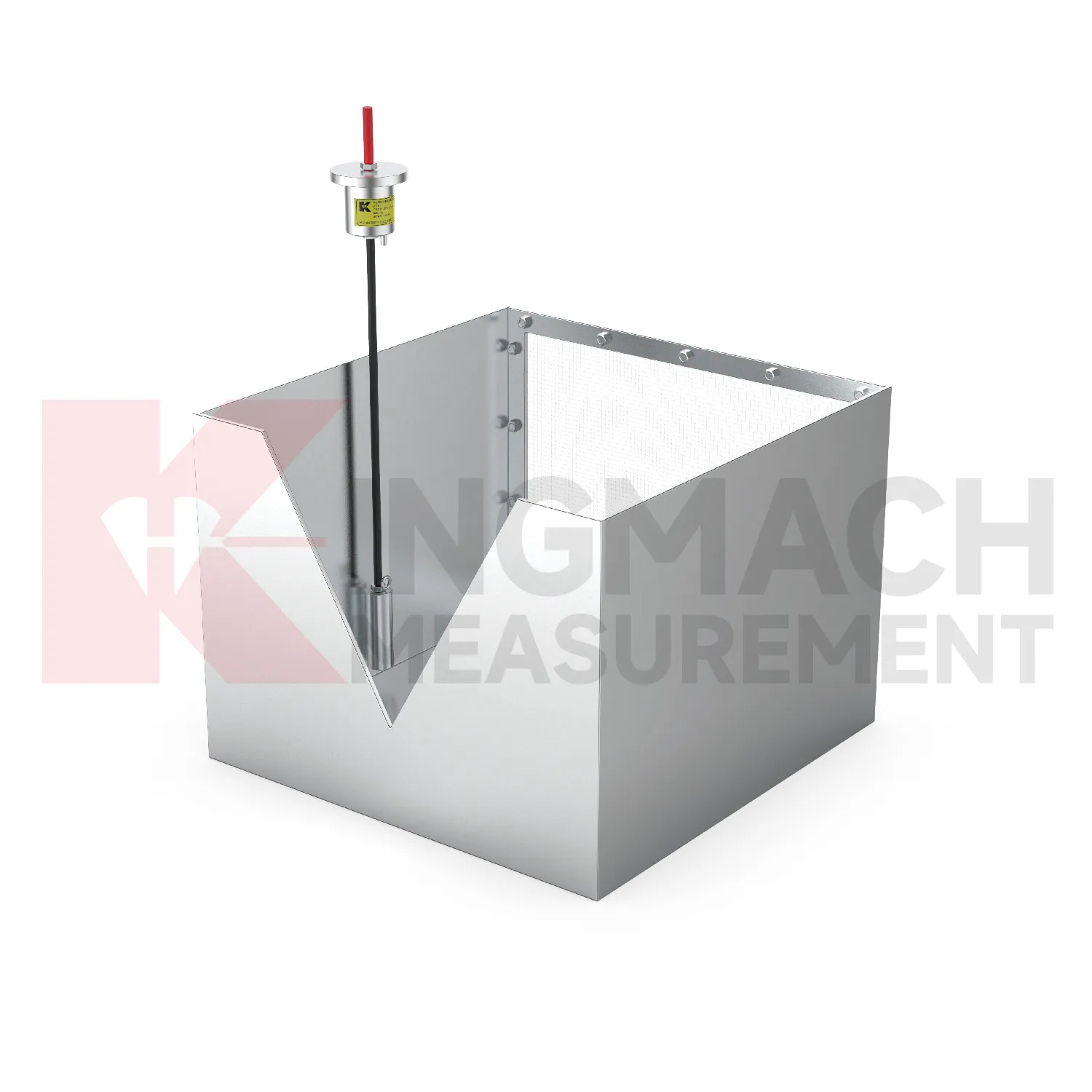
Application of weir flow meter introductory
Dam and slope drainage applications use Kingmach weir flow meter introductory to connect water discharge with ground or structural behavior. In a dam gallery, toe drain, slope drainage channel, or retaining structure outlet, flow changes may reflect rainfall, seepage, groundwater variation, or maintenance work. The flow record should be reviewed with pore pressure, settlement, displacement, rainfall, reservoir level, and inspection notes when those records exist. A gradual rise during wet periods may be expected, but a sudden dry-weather change deserves attention. The measuring section should be protected from sediment and vegetation because blockage can make the curve misleading. This application turns drainage flow into a supporting record for safety review. A weir point also needs safe routine access. If staff cannot reach the crest, enclosure, or sensing area during wet weather, the project may collect data but struggle to maintain confidence in it when the record is most important. For dams and slopes, the review should focus on correlation rather than isolated readings. A flow increase near other movement or pressure changes deserves a different level of attention from a short increase after known rainfall. Clear notes help engineers decide whether continued observation, cleaning, inspection, or further investigation is appropriate. That discipline keeps the flow record useful during both routine inspections and unusual weather.
The future of weir flow meter introductory
Water-related risk review will shape future Kingmach weir flow meter introductory. In slopes, dams, tunnels, and drainage systems, flow changes can be early evidence of a changing water path. Future monitoring should compare flow with seepage, pore pressure, rainfall, settlement, displacement, and inspection notes where those records exist. A flow rise alone may not mean danger, but a flow rise with movement or seepage change deserves attention. A flow drop can also matter if it suggests blockage or a changed drainage path. Future reporting should help teams see these combinations quickly. Risk review needs clear grouping of related records. Engineers should be able to see whether flow changed before, after, or at the same time as rainfall, pressure, or movement. That timing can guide the next field check and help avoid overreacting to a single isolated value. A practical report should make relationships visible without hiding the need for professional judgment. Carefully.
Care & Maintenance of weir flow meter introductory
Data review is part of maintaining Kingmach weir flow meter introductory. Look for flatlines, impossible jumps, gradual drift, repeated storm response, missing intervals, and flow changes that do not match rainfall or operation. If a flow curve changes, check channel condition, cleaning history, upstream activity, downstream backwater, and enclosure health. A good review does not treat every abnormal curve as a water event. It first asks whether the measuring point remained physically healthy. This habit reduces false concern and helps the team respond faster when the flow change is real. Review work should be scheduled, not left only for emergencies. A weekly or monthly check can find small data gaps, weak communication, or gradual hydraulic change before they become reporting problems. When a reviewer marks a period as doubtful, the reason should be written clearly so later users know how to treat that section of history. without guessing later. in future reports.
Kingmach weir flow meter introductory
On site, Kingmach weir flow meter introductory needs careful hydraulic placement. The approach water should reach the weir smoothly, without unnecessary turbulence or local obstruction. The crest should remain clean and stable. The water head reading should represent the control section rather than a disturbed pocket of water. Cable routes, enclosures, and communication points should be protected from flooding and service work. These field details decide whether the record can be trusted after the first installation day. A good installation note should include channel condition, weir geometry, reference location, flow direction, cleaning access, and the first stable record. The point should also be easy for maintenance staff to recognize months later. Durable labels, simple access notes, and photographs from fixed viewpoints reduce confusion after handover. If the channel is later repaired, cleaned, or reshaped, the note should be updated so future reviewers know why the trend changed. That record protects long-term data quality.
FAQ
Q: What site conditions affect flow readings?
A: Sediment, debris, turbulence, backwater, algae, damaged crest edges, poor approach flow, and changed channel geometry can all affect the record.
Q: Why is cleaning important?
A: Cleaning keeps the control section clear so the water head record continues to represent the intended flow relationship.
Q: How should abnormal flow changes be reviewed?
A: Check rainfall, upstream operation, downstream condition, cleaning history, enclosure status, and field inspection notes before drawing conclusions.
Q: Can flow monitoring be remote?
A: Yes. Remote monitoring is useful when continuous records are needed or when the site is difficult to access during storms or operation.
Q: What should be recorded at installation?
A: Record channel location, flow direction, weir condition, water head reference, cable route, enclosure position, cleaning access, and first stable reading. The strongest flow reports are written around decisions. They show whether to keep observing, clean the channel, inspect upstream conditions, check downstream backwater, or compare the point with another water-level or rainfall record.
Reviews
Michael Anderson
The strain gauges and load cells are extremely accurate and stable. They performed very well in our bridge monitoring project. Highly recommended!
Ryan Lewis
Fast delivery and excellent product quality. The accelerometers and tiltmeters are highly reliable. Strongly recommend this company.
Latest Inquiries
To protect the privacy of our buyers, only public service email domains like Gmail, Yahoo, and MSN will be displayed. Additionally, only a limited portion of the inquiry content will be shown.
Sophia***@gmail.comUnited Kingdom
Good day, we need environmental monitoring sensors including temperature, humidity, and wind sensors...
Mia***@gmail.comNetherlands
Dear team, we are interested in your readouts & data loggers compatible with multiple sensors. Do yo...
Related product categories
- Intelligent Weir Flow Meter
- Smart Weir Flow Meter
- weir flow meter
- weir type flow meter
- weir flow meter Price
- weir flow meter Manufacturer
- weir flow meter Supplier
- weir flow meter Solution
- weir flow meter System Integration
- weir flow meter Localization
- weir flow meter Domestic Manufacturing
- weir flow meter China