
 EN
EN
 ar
ar bg
bg hr
hr cs
cs da
da nl
nl fi
fi fr
fr de
de el
el hi
hi it
it ko
ko no
no pl
pl pt
pt ro
ro ru
ru es
es sv
sv tl
tl iw
iw id
id lv
lv lt
lt sr
sr sk
sk sl
sl uk
uk vi
vi et
et hu
hu th
th tr
tr fa
fa ms
ms hy
hy ka
ka ur
ur bn
bn mn
mn ta
ta kk
kk uz
uz ku
ku
weir flow meter steep discount
For long-term reliability, Kingmach weir flow meter steep discount requires maintenance and verification planning. A weir point can remain accurate only if the hydraulic control remains clean and the water head reading remains tied to the correct reference. Routine inspection should check debris, sediment, crest damage, enclosure condition, cable safety, and whether the water surface behaves normally near the measuring section. Verification should be easier if the project file contains photographs, installation notes, and the original site purpose. This kind of description helps buyers understand the full responsibility of flow monitoring. The device provides the measurement path, but the owner keeps the channel condition and data interpretation healthy. A practical review also checks whether the measuring section remained clean and hydraulically stable. Sediment, debris, vegetation, downstream backwater, or a disturbed approach can change the meaning of the same water-head reading, so those conditions belong in the project notes. For long-term operation, the point name, flow direction, channel purpose, cleaning history, and first stable value should remain visible. Those details help a new operator understand why the point exists and how the data should be used after handover. During abnormal events, the team should compare the flow record with rainfall, upstream control, pumping, seepage, inspection findings, and maintenance work. That comparison helps separate normal water response from blockage, measurement disturbance, or a change in the water system.
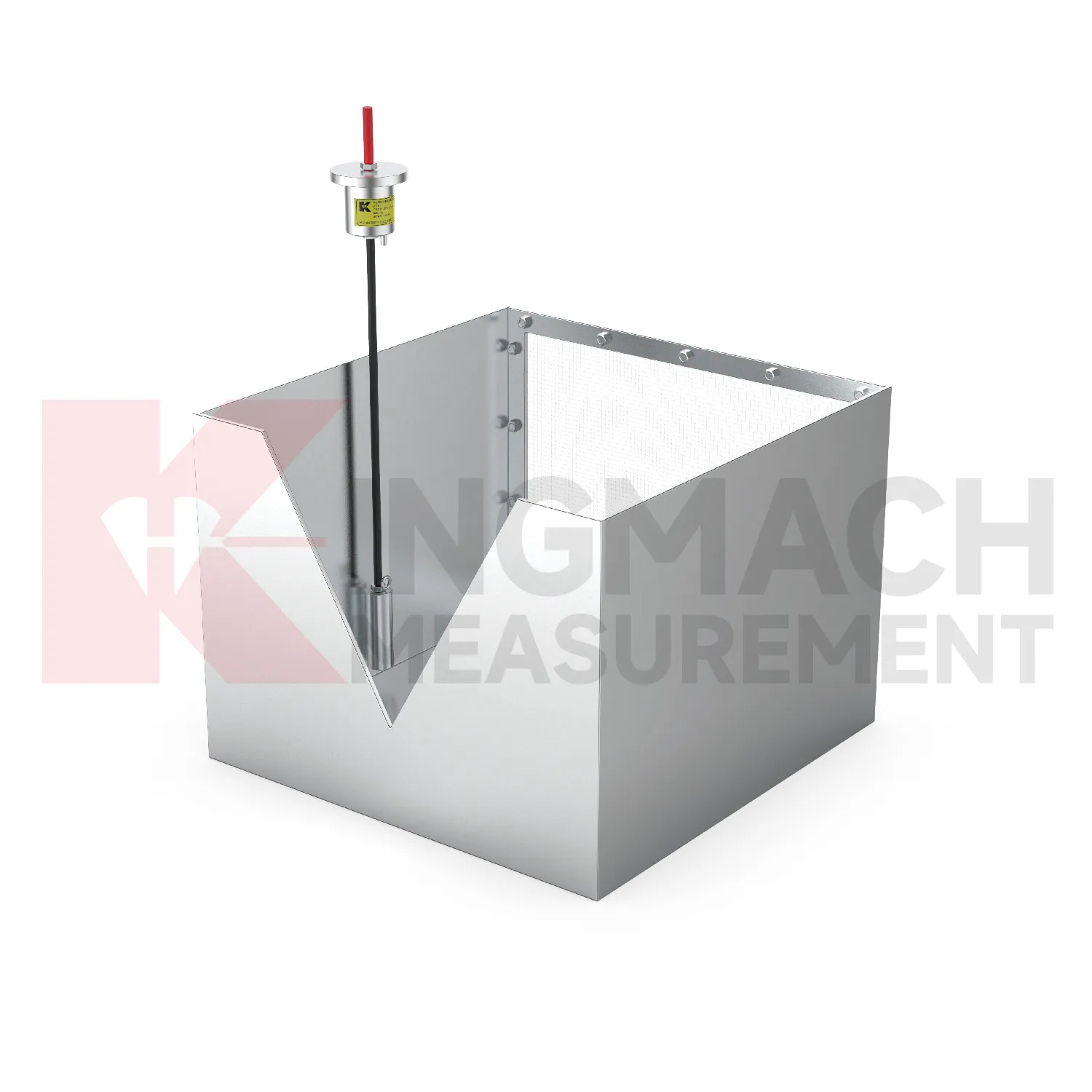
Application of weir flow meter steep discount
Dam and slope drainage applications use Kingmach weir flow meter steep discount to connect water discharge with ground or structural behavior. In a dam gallery, toe drain, slope drainage channel, or retaining structure outlet, flow changes may reflect rainfall, seepage, groundwater variation, or maintenance work. The flow record should be reviewed with pore pressure, settlement, displacement, rainfall, reservoir level, and inspection notes when those records exist. A gradual rise during wet periods may be expected, but a sudden dry-weather change deserves attention. The measuring section should be protected from sediment and vegetation because blockage can make the curve misleading. This application turns drainage flow into a supporting record for safety review. A weir point also needs safe routine access. If staff cannot reach the crest, enclosure, or sensing area during wet weather, the project may collect data but struggle to maintain confidence in it when the record is most important. For dams and slopes, the review should focus on correlation rather than isolated readings. A flow increase near other movement or pressure changes deserves a different level of attention from a short increase after known rainfall. Clear notes help engineers decide whether continued observation, cleaning, inspection, or further investigation is appropriate. That discipline keeps the flow record useful during both routine inspections and unusual weather.
The future of weir flow meter steep discount
Future Kingmach weir flow meter steep discount will be designed around user roles. Operators may need alarms and daily trends. Engineers may need event detail and comparison with rainfall or water level. Maintenance crews may need cleaning access and inspection status. Owners may need monthly water management summaries. A single data stream can support all of these users when the platform is organized well. The key is to define how each user will act on the flow record before the point is installed. This prevents the monitoring system from collecting data that nobody knows how to use. Role-based reporting should show each team the action that matters to them. An operator may check whether discharge returned to normal after a storm. A maintenance crew may check whether sediment is reducing channel capacity. An owner may compare several stations across a season. The same measurement becomes more useful when the display matches the decision being made.
Care & Maintenance of weir flow meter steep discount
Care and maintenance of Kingmach weir flow meter steep discount should begin with the weir section itself. The crest, approach channel, water head location, and downstream condition must remain consistent with the original measuring purpose. Debris, sediment, algae, vegetation, damaged edges, or changed channel shape can affect the record even when the electronics are healthy. Maintenance staff should inspect the hydraulic control, not only the enclosure. Photographs after cleaning are useful because they show whether the measuring section remained clear. A flow curve is only as trustworthy as the channel condition behind it. A good routine separates hydraulic housekeeping from instrument checks. Crews can walk the channel after storms, remove trapped material before it hardens, confirm that the staff reference remains readable, and note whether nearby construction has changed the approach path. The written record should describe observed conditions in plain language, so a later reviewer can understand why a reading changed before adjusting any calculation or blaming the device.
Kingmach weir flow meter steep discount
On site, Kingmach weir flow meter steep discount needs careful hydraulic placement. The approach water should reach the weir smoothly, without unnecessary turbulence or local obstruction. The crest should remain clean and stable. The water head reading should represent the control section rather than a disturbed pocket of water. Cable routes, enclosures, and communication points should be protected from flooding and service work. These field details decide whether the record can be trusted after the first installation day. A good installation note should include channel condition, weir geometry, reference location, flow direction, cleaning access, and the first stable record. The point should also be easy for maintenance staff to recognize months later. Durable labels, simple access notes, and photographs from fixed viewpoints reduce confusion after handover. If the channel is later repaired, cleaned, or reshaped, the note should be updated so future reviewers know why the trend changed. That record protects long-term data quality.
FAQ
Q: What site conditions affect flow readings?
A: Sediment, debris, turbulence, backwater, algae, damaged crest edges, poor approach flow, and changed channel geometry can all affect the record.
Q: Why is cleaning important?
A: Cleaning keeps the control section clear so the water head record continues to represent the intended flow relationship.
Q: How should abnormal flow changes be reviewed?
A: Check rainfall, upstream operation, downstream condition, cleaning history, enclosure status, and field inspection notes before drawing conclusions.
Q: Can flow monitoring be remote?
A: Yes. Remote monitoring is useful when continuous records are needed or when the site is difficult to access during storms or operation.
Q: What should be recorded at installation?
A: Record channel location, flow direction, weir condition, water head reference, cable route, enclosure position, cleaning access, and first stable reading. The strongest flow reports are written around decisions. They show whether to keep observing, clean the channel, inspect upstream conditions, check downstream backwater, or compare the point with another water-level or rainfall record.
Reviews
Joshua Clark
We ordered a full monitoring solution including sensors and data loggers. Everything works seamlessly together. Great supplier!
James Thompson
The tiltmeters and accelerometers are very sensitive and provide precise data. Perfect for our structural health monitoring system.
Latest Inquiries
To protect the privacy of our buyers, only public service email domains like Gmail, Yahoo, and MSN will be displayed. Additionally, only a limited portion of the inquiry content will be shown.
Mia***@gmail.comNetherlands
Dear team, we are interested in your readouts & data loggers compatible with multiple sensors. Do yo...
Emma***@gmail.comCanada
Dear Sir/Madam, we are interested in displacement transducers and settlement sensors for a geotechni...