
 EN
 ar
 bg
 hr
 cs
 da
 nl
 fi
 fr
 de
 el
 hi
 it
 ko
 no
 pl
 pt
 ro
 ru
 es
 sv
 tl
 iw
 id
 lv
 lt
 sr
 sk
 sl
 uk
 vi
 et
 hu
 th
 tr
 fa
 ms
 hy
 ka
 ur
 bn
 mn
 ta
 kk
 uz
 ku

wireless temperature data logger
Kingmach wireless temperature data logger make monitoring networks easier to operate when sensor readings must support formal decisions. Construction teams may need fast confirmation after loading or excavation. Maintenance teams may need periodic checks after repair. Owners may need long-term records that can be exported for reporting. A data logger or readout should support these uses through stable measurement, clear display, dependable storage, and practical communication. It should also help prevent avoidable confusion by keeping the channel name, sensor type, and acquisition time visible. When the device is planned as part of the monitoring system, the project gains cleaner data and fewer uncertain readings. Formal decisions often require a record that can be defended months later. The reviewer may need to know who collected the data, which device was used, whether the station was healthy, and whether a field note explains unusual behavior. Acquisition discipline gives that review a stronger foundation and reduces arguments about missing context. Such discipline supports construction claims, repair review, safety meetings, and owner handover. A dependable device record can show whether a reading was routine, repeated, missing, or linked to a maintenance action. It also helps teams explain why an abnormal value was accepted, questioned, repeated, or linked to field inspection.
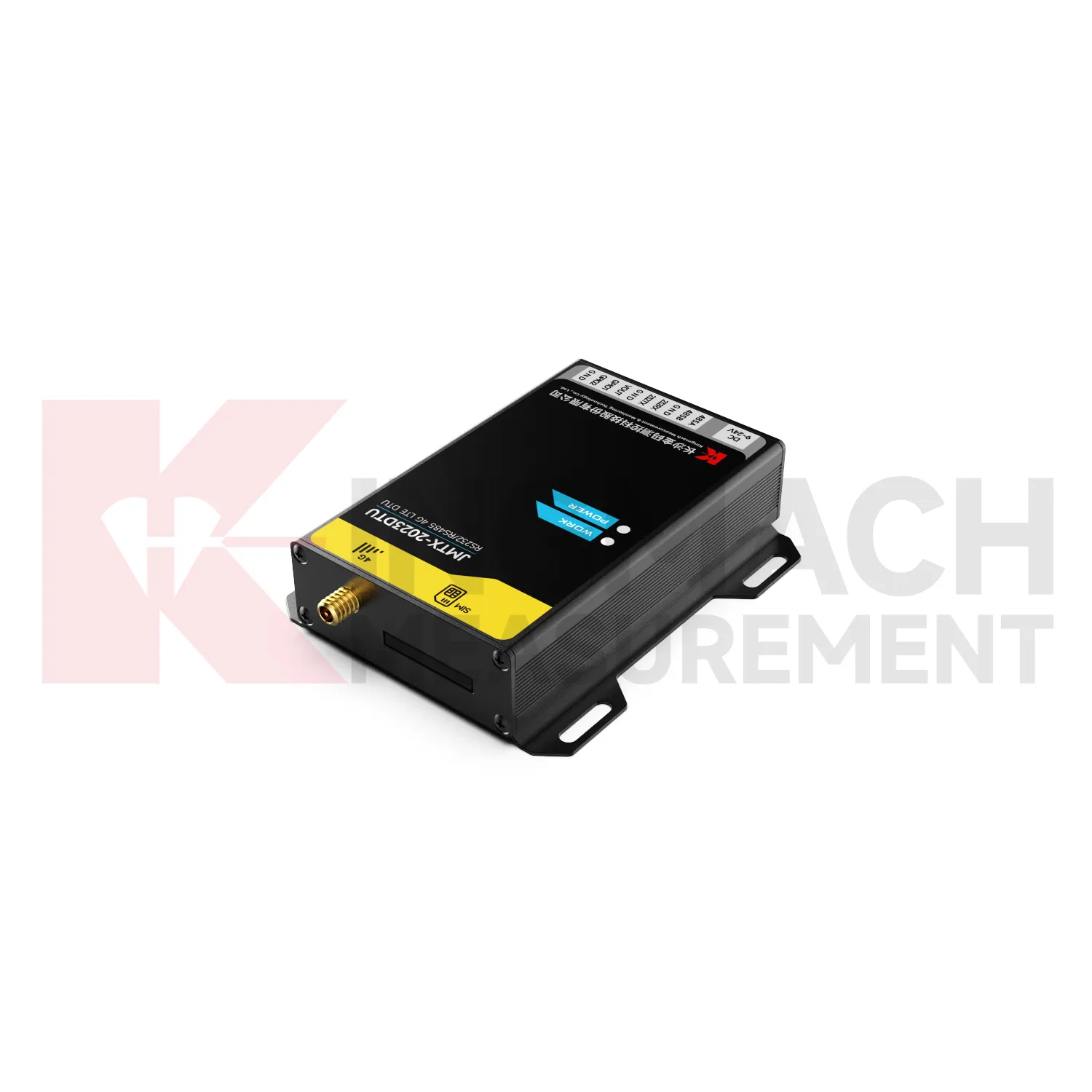
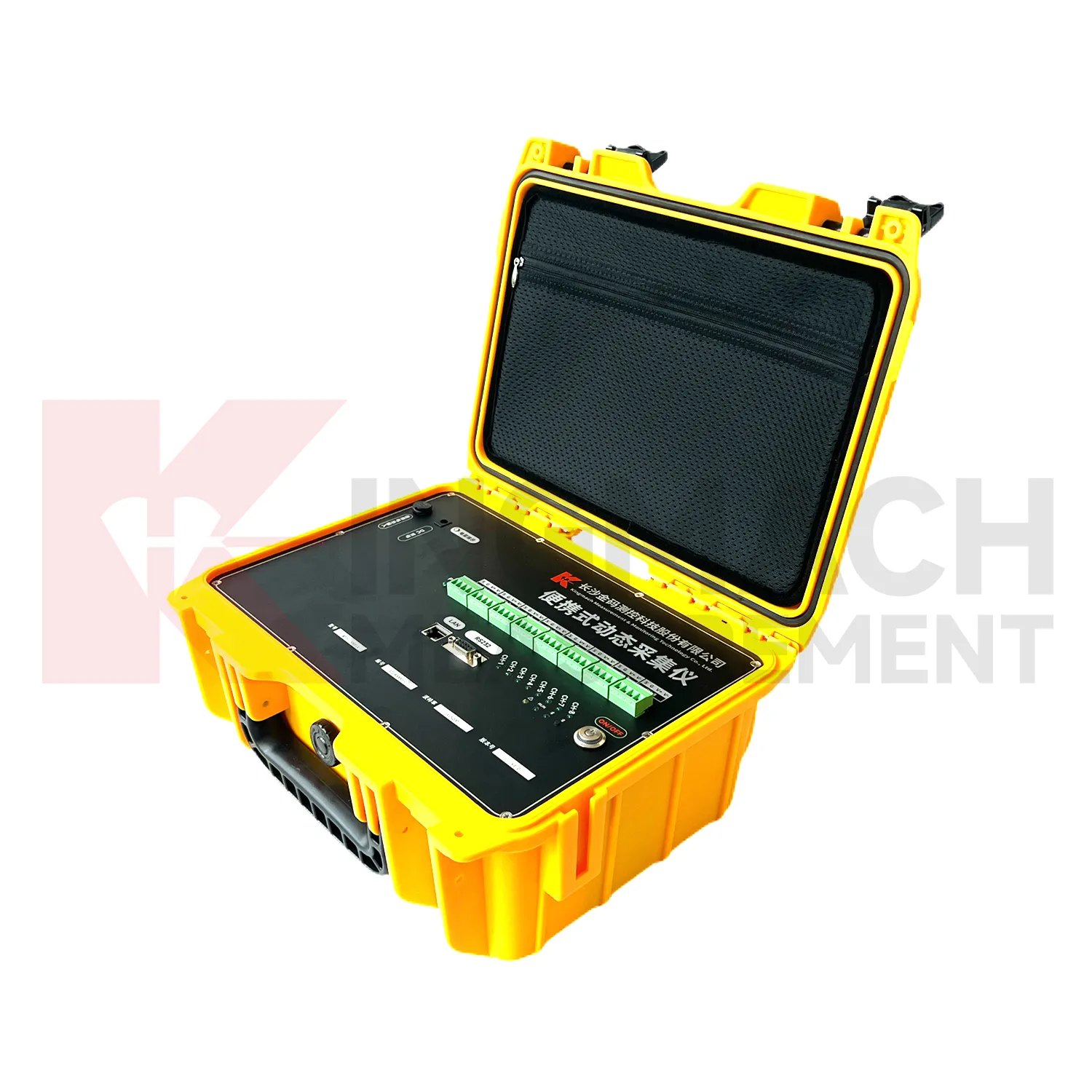
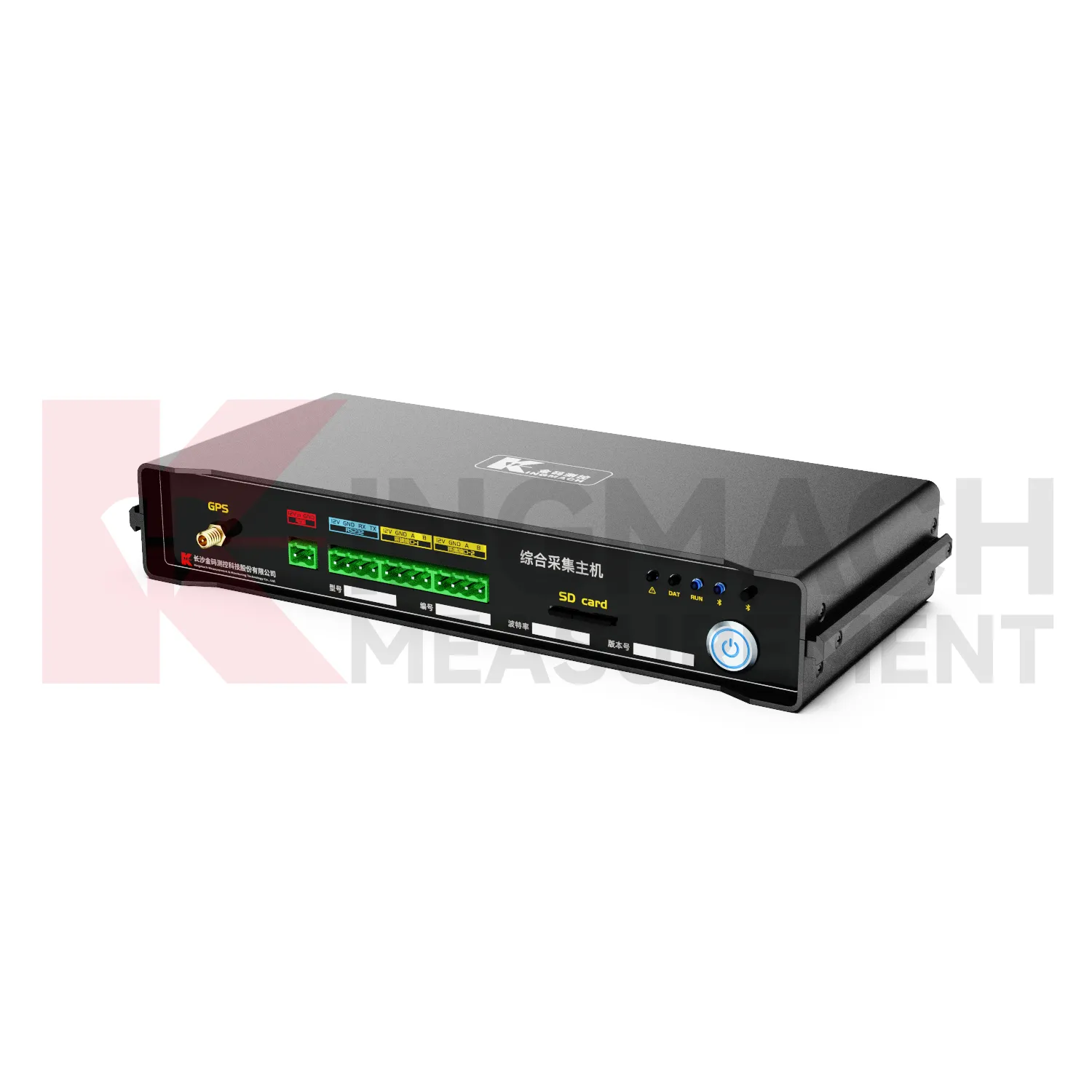
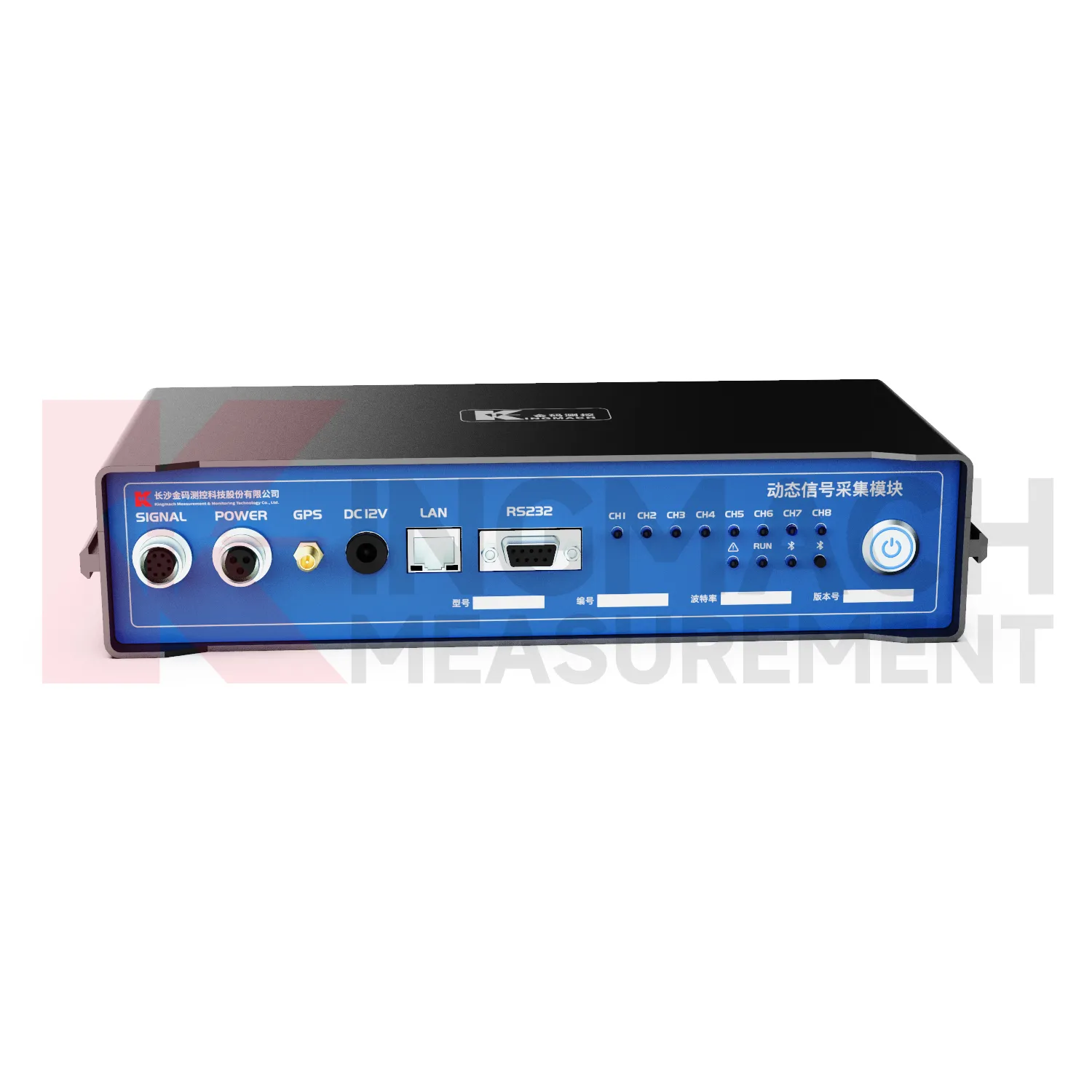
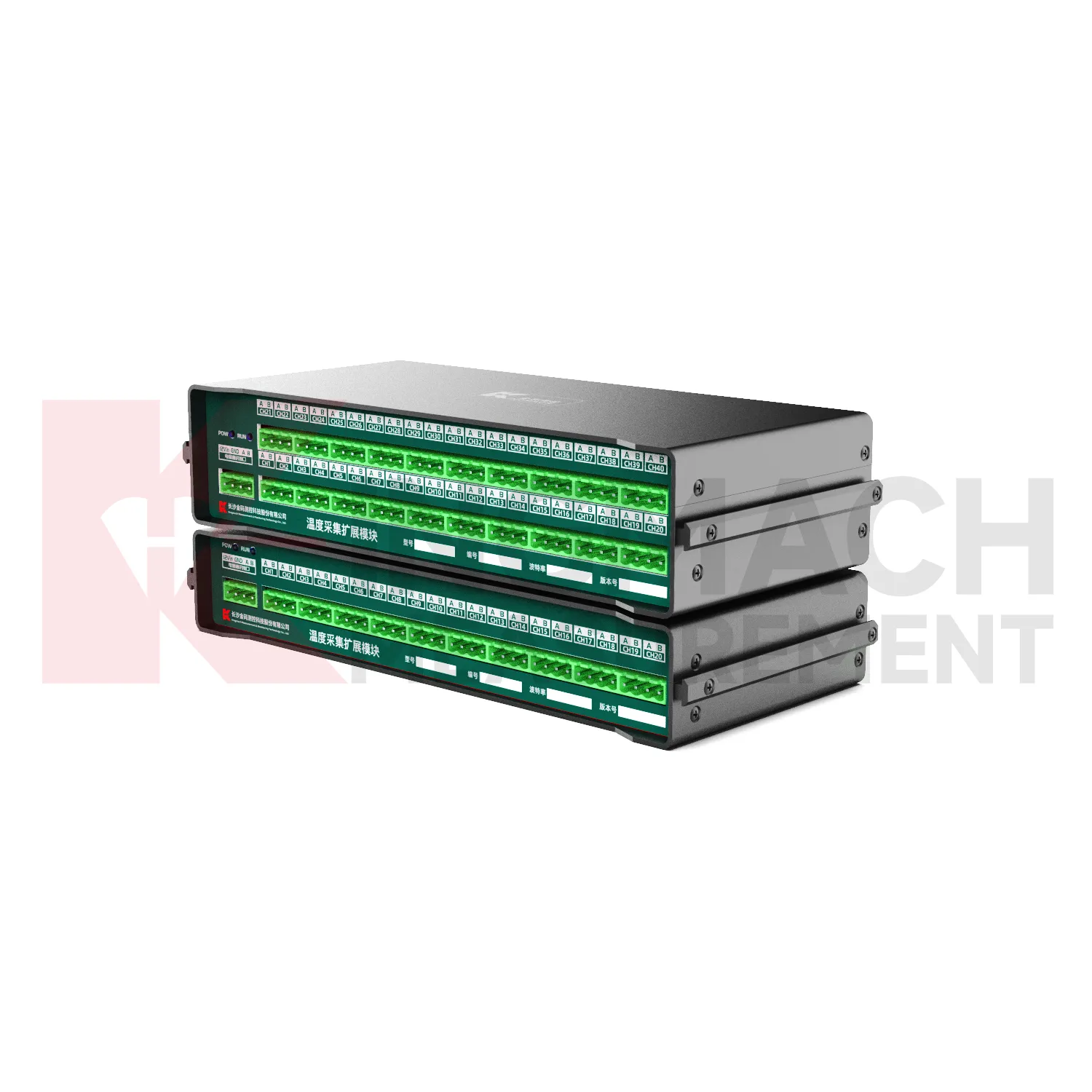
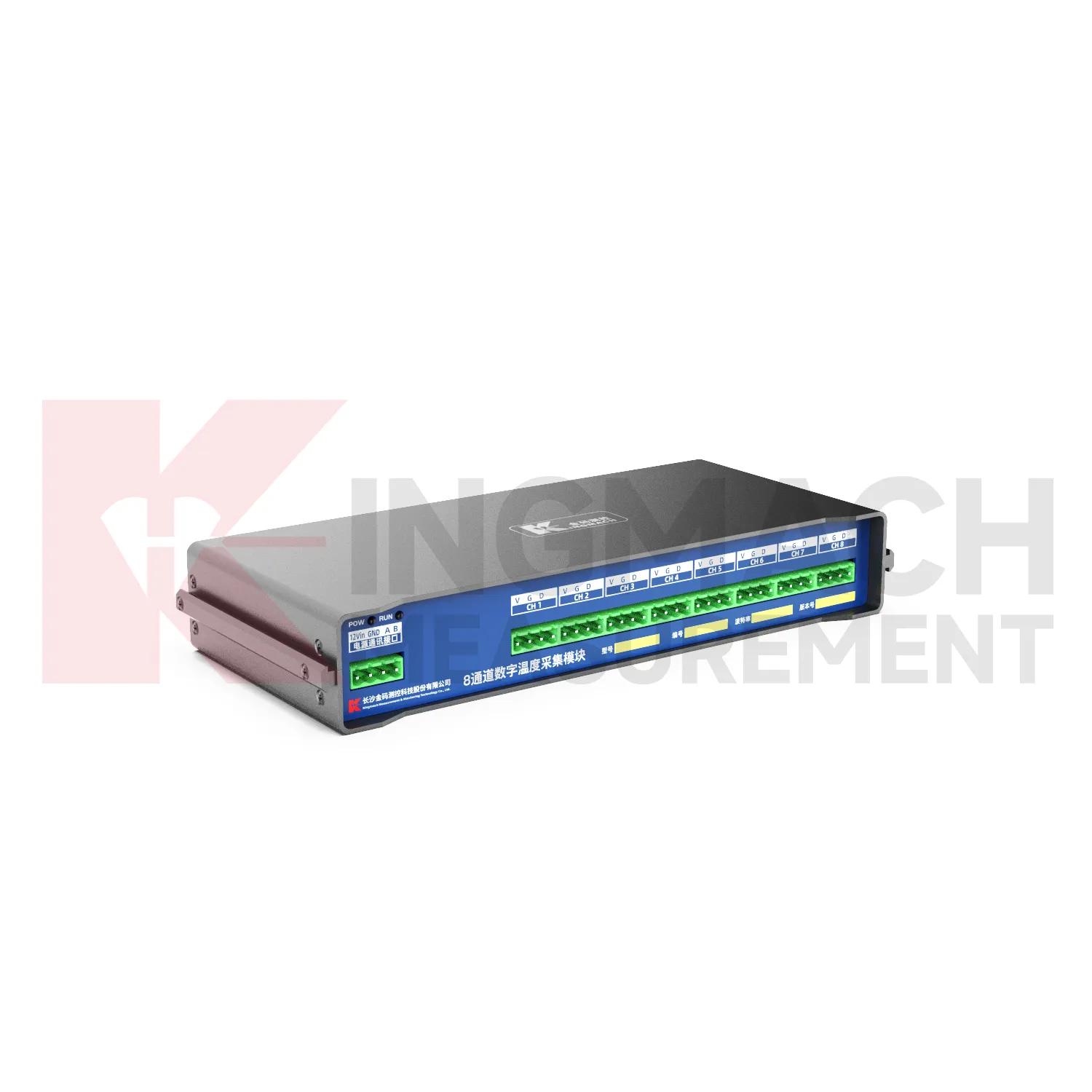
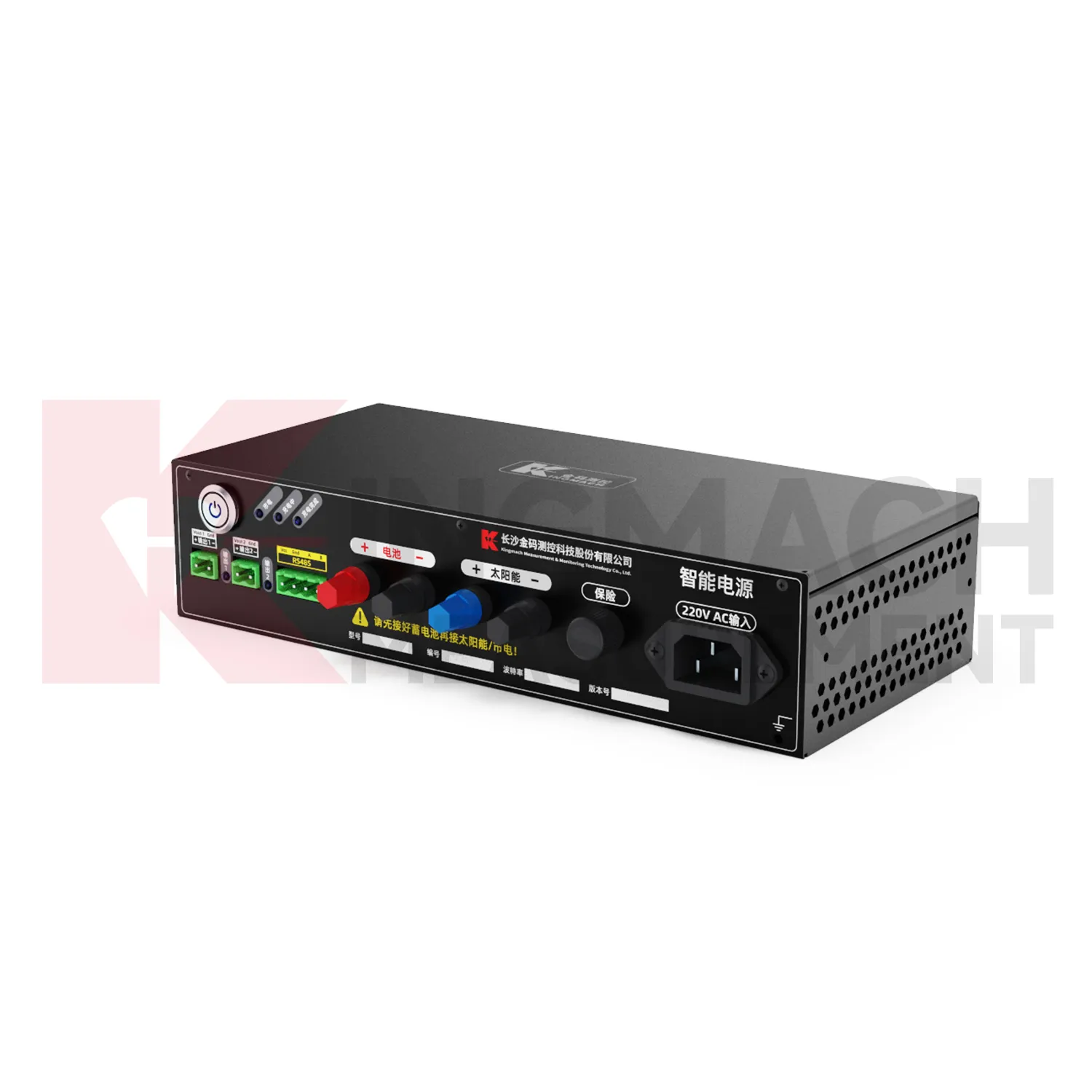
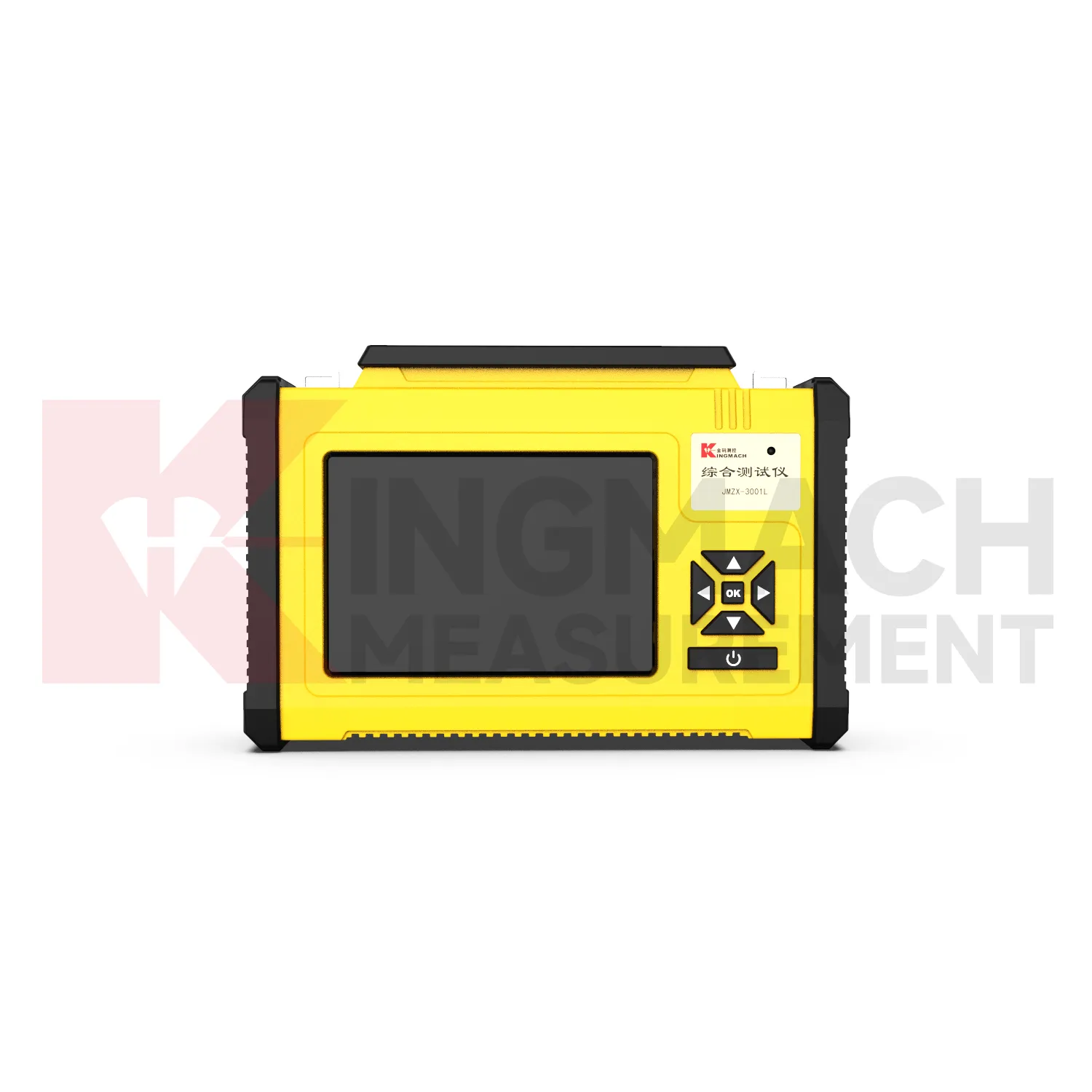
Application of wireless temperature data logger
Building and wind tower monitoring uses Kingmach wireless temperature data logger when motion, strain, tilt, temperature, and environmental records must be connected to operating conditions. A portable dynamic acquisition readout can support vibration testing, equipment influence checks, or temporary event capture. Automatic data loggers can collect long-term records for structural response, construction effect, or maintenance review. In tall structures, wind, temperature, occupancy, equipment start-up, and nearby construction can all affect measured behavior. The acquisition record should therefore include event time, sensor position, channel identity, and related site notes. This helps engineers distinguish normal response from a pattern that deserves inspection. Wind tower and building projects also need records that connect structural response with weather and operating events. A vibration trace during high wind, a tilt change after equipment installation, or a strain change during construction work should be stored with the condition that caused it. Clear station names, floor levels, tower sections, and event notes help reviewers compare repeated behavior over time. This makes the acquisition device part of structural interpretation rather than a simple storage box. It also supports maintenance review when owners need to compare tower response, building equipment effects, and temporary construction influence across different operating periods. during engineering review.
The future of wireless temperature data logger
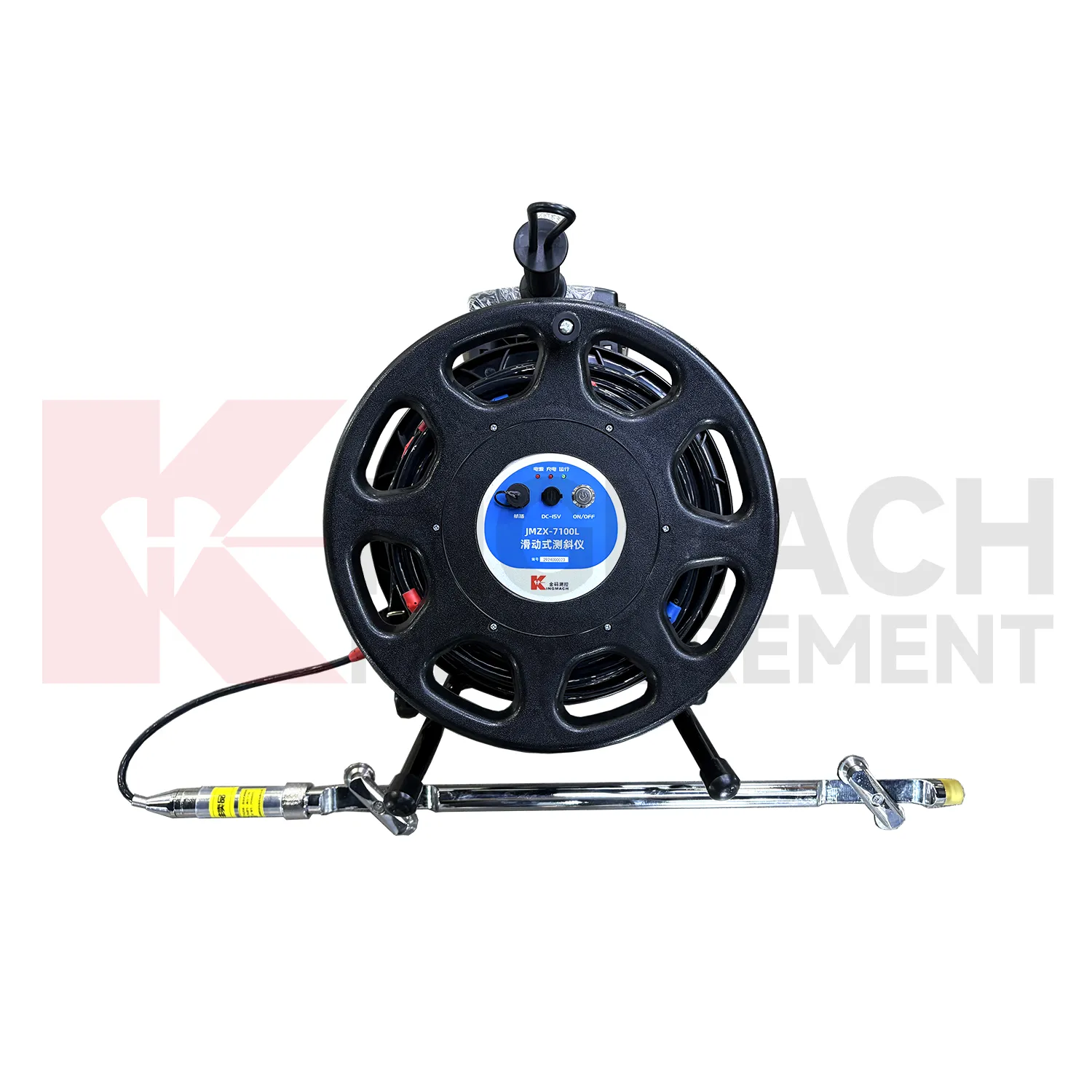
Future Kingmach wireless temperature data logger will place more emphasis on station health alongside sensor readings. A monitoring record is stronger when reviewers can see battery condition, communication status, last upload time, enclosure condition, channel activity, and recent maintenance. This is especially useful for remote bridges, slopes, tunnels, dams, and construction sites where a silent station can create uncertainty. Future acquisition systems will help teams separate sensor behavior from device status. A missing value may come from power, communication, wiring, or a real site event, and the record should make that distinction easier to review. Station health reporting can also guide field visits. Instead of checking every station on a fixed route, teams can prioritize devices with weak power, delayed upload, enclosure risk, or repeated data gaps. That will make maintenance work more targeted and keep important monitoring points active during critical periods. It also helps owners protect data continuity without expanding routine site visits.
Care & Maintenance of wireless temperature data logger
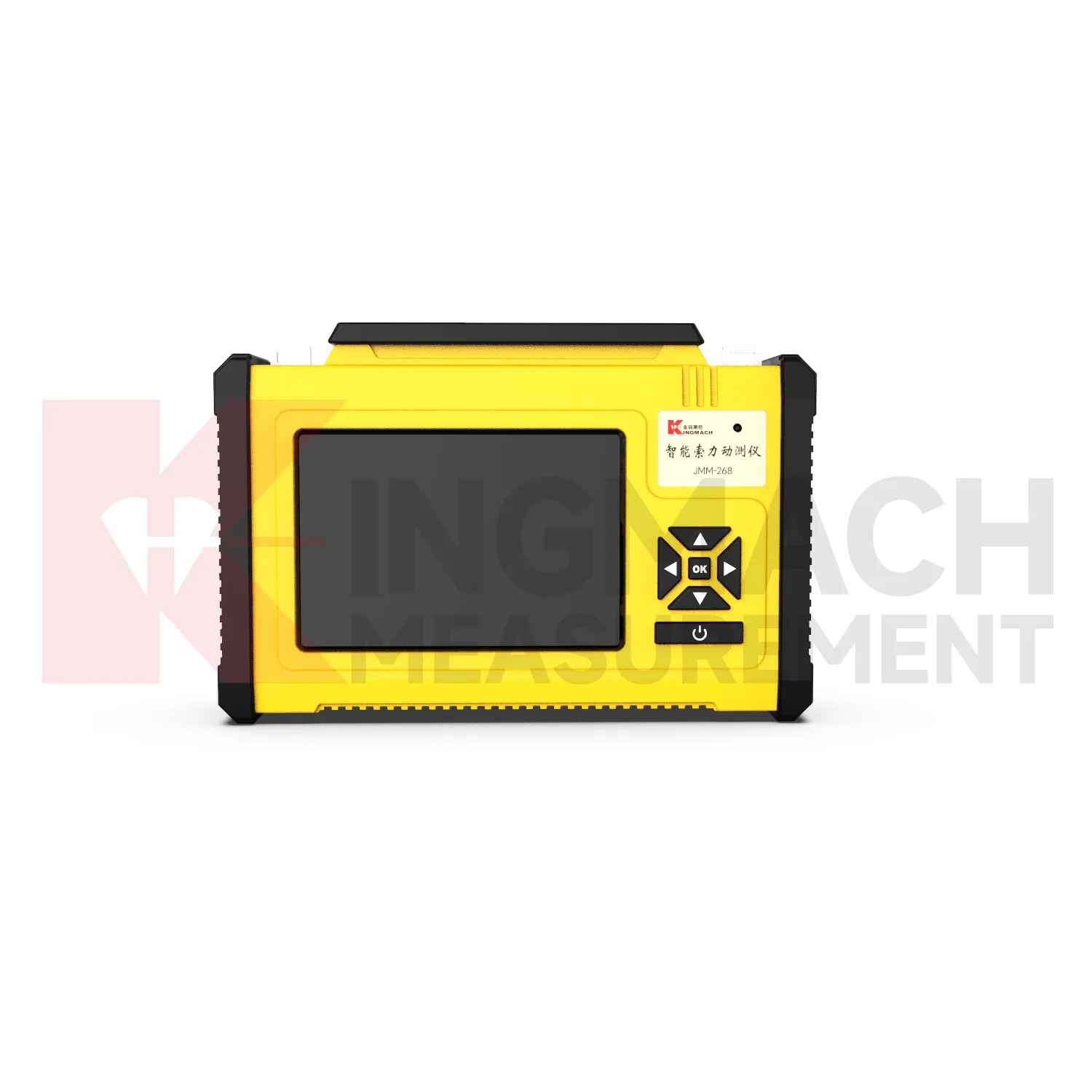
Dynamic acquisition maintenance for Kingmach wireless temperature data logger should focus on timing, synchronization, and signal condition. Check channel connections, grounding, sampling settings, event names, trigger rules, and storage capacity before a test. Dynamic records are difficult to repeat when the event is train passage, blasting, impact, or machinery start-up. After the test, save raw data, event notes, sensor positions, and any abnormal site activity. This maintenance discipline helps engineers interpret the waveform and compare repeated events without uncertainty about the acquisition setup. Before the next test, review whether the previous event was captured cleanly. If a channel clipped, drifted, lost connection, or showed unexpected noise, correct the setup before relying on another event. Dynamic maintenance is therefore part of test quality, not only equipment care. The maintenance file should include sampling settings, trigger notes, cable condition, sensor mounting status, and storage location for raw files. These details help engineers repeat the test method later and compare event records under similar conditions.
Kingmach wireless temperature data logger
For Kingmach wireless temperature data logger, usability in the field is as important as acquisition capability. A device may be technically capable, but it still needs clear operation, readable display, secure connectors, stable power, and a practical method for exporting data. Field crews often work in tunnels, slopes, bridge decks, dam galleries, or construction zones where time and access are limited. A well-planned readout or logger reduces repeated site visits because the operator can confirm the point, store the record, and move on with confidence. This is especially useful when many sensors must be checked in one inspection round. Field usability also depends on small details: charged batteries, clean connectors, readable screen prompts, clear file names, and enough storage before the route begins. When those basics are ready, technicians can spend their time checking sensors instead of troubleshooting the instrument. during each site visit. without avoidable delay. for crews. on site safely. consistently.
FAQ
Q: What are Readouts & Data Loggers used for?
A: They collect, display, store, and transfer sensor readings so engineering teams can review monitoring data from structural, geotechnical, and industrial projects.
Q: How are readouts different from data loggers?
A: Readouts are often used for field checking and portable measurement, while data loggers support automatic acquisition, scheduled records, and longer monitoring periods.
Q: Which sensors can be connected?
A: The category can support vibrating wire sensors, digital RS485 sensors, temperature points, dynamic signals, strain instruments, displacement sensors, tilt sensors, and other monitoring devices depending on the model.
Q: Why is channel naming important?
A: Clear channel names connect each reading with the correct sensor, location, structure, and review purpose, which prevents confusion during reporting and handover.
Q: What should be checked before purchase?
A: Buyers should define sensor type, channel count, acquisition interval, power supply, communication method, storage needs, site access, and reporting workflow.
Reviews
James Thompson
The tiltmeters and accelerometers are very sensitive and provide precise data. Perfect for our structural health monitoring system.
Daniel Brown
Excellent environmental monitoring sensors. The data is consistent, and the system integrates smoothly with our existing setup.
Latest Inquiries
To protect the privacy of our buyers, only public service email domains like Gmail, Yahoo, and MSN will be displayed. Additionally, only a limited portion of the inquiry content will be shown.
Sophia***@gmail.comUnited Kingdom
Good day, we need environmental monitoring sensors including temperature, humidity, and wind sensors...
Harper***@gmail.comIndia
Dear Sir, we are planning to procure a complete monitoring system including strain gauges, tiltmeter...
Related product categories
- Central Data Acquisition Host
- Intelligent Power Module
- Digital Intelligent Power Module
- Integrated AC/DC Intelligent Power Supply
- Industrialgrade Intelligent Power Module
- Integrated Central Acquisition Module
- Lowpower Industrialgrade Wireless Data Logger
- Lowpower 4G Wireless Data Logger
- Industrial Automation Chassis
- Embedded Automation Chassis
- Rackmount Automation Chassis
- Custom Automation Chassis