
 EN
EN
 ar
ar bg
bg hr
hr cs
cs da
da nl
nl fi
fi fr
fr de
de el
el hi
hi it
it ko
ko no
no pl
pl pt
pt ro
ro ru
ru es
es sv
sv tl
tl iw
iw id
id lv
lv lt
lt sr
sr sk
sk sl
sl uk
uk vi
vi et
et hu
hu th
th tr
tr fa
fa ms
ms hy
hy ka
ka ur
ur bn
bn mn
mn ta
ta kk
kk uz
uz ku
ku
Flexible Displacement Meter
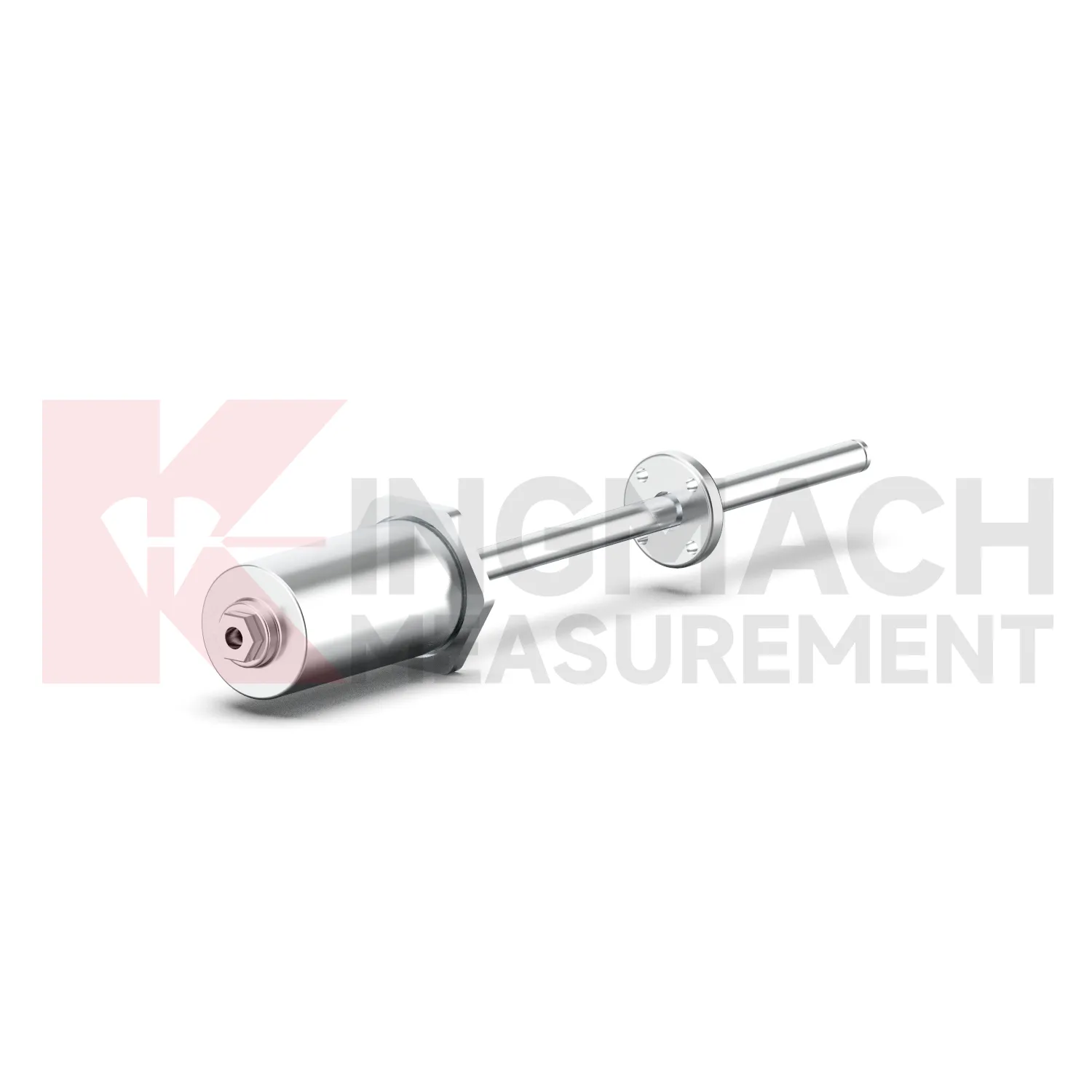
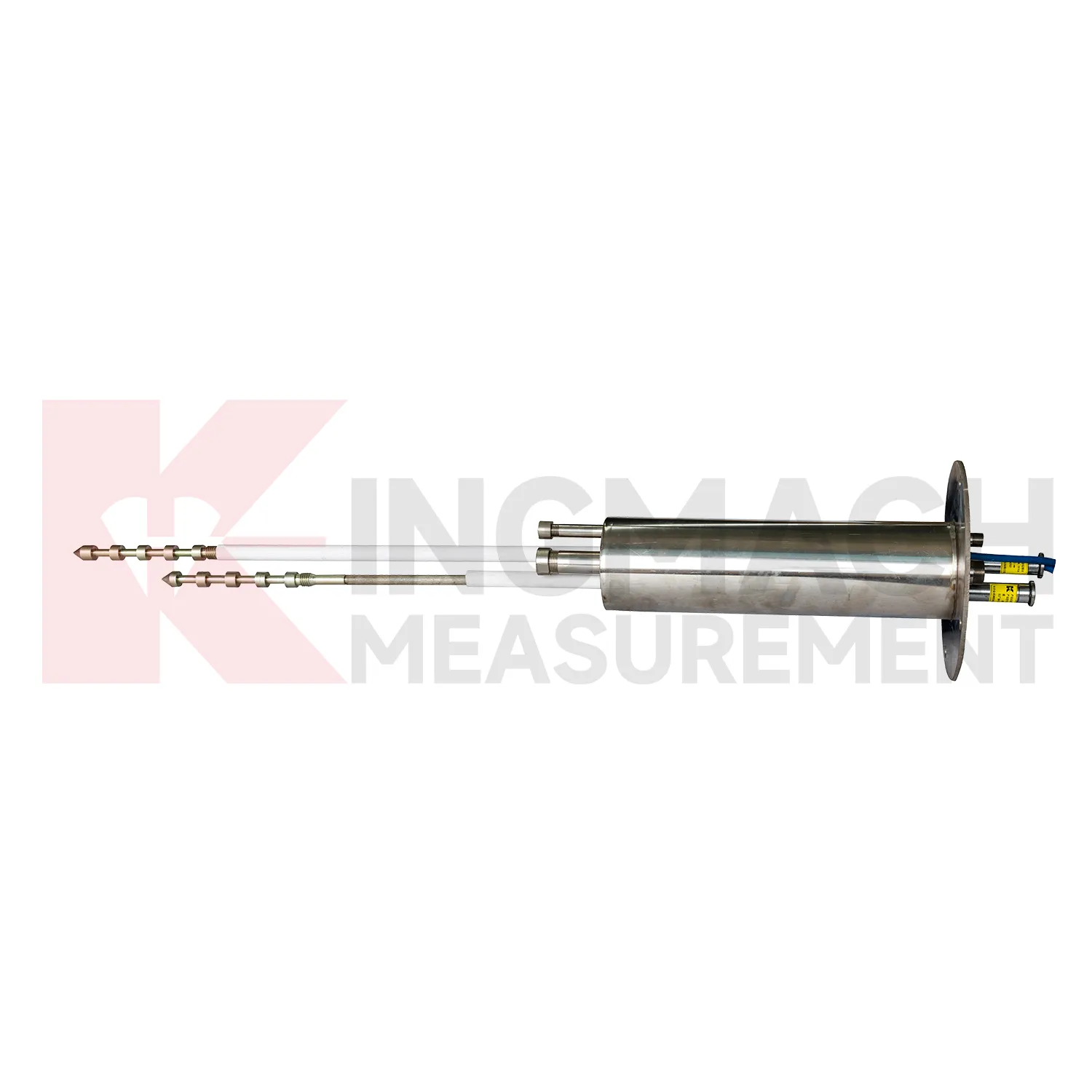
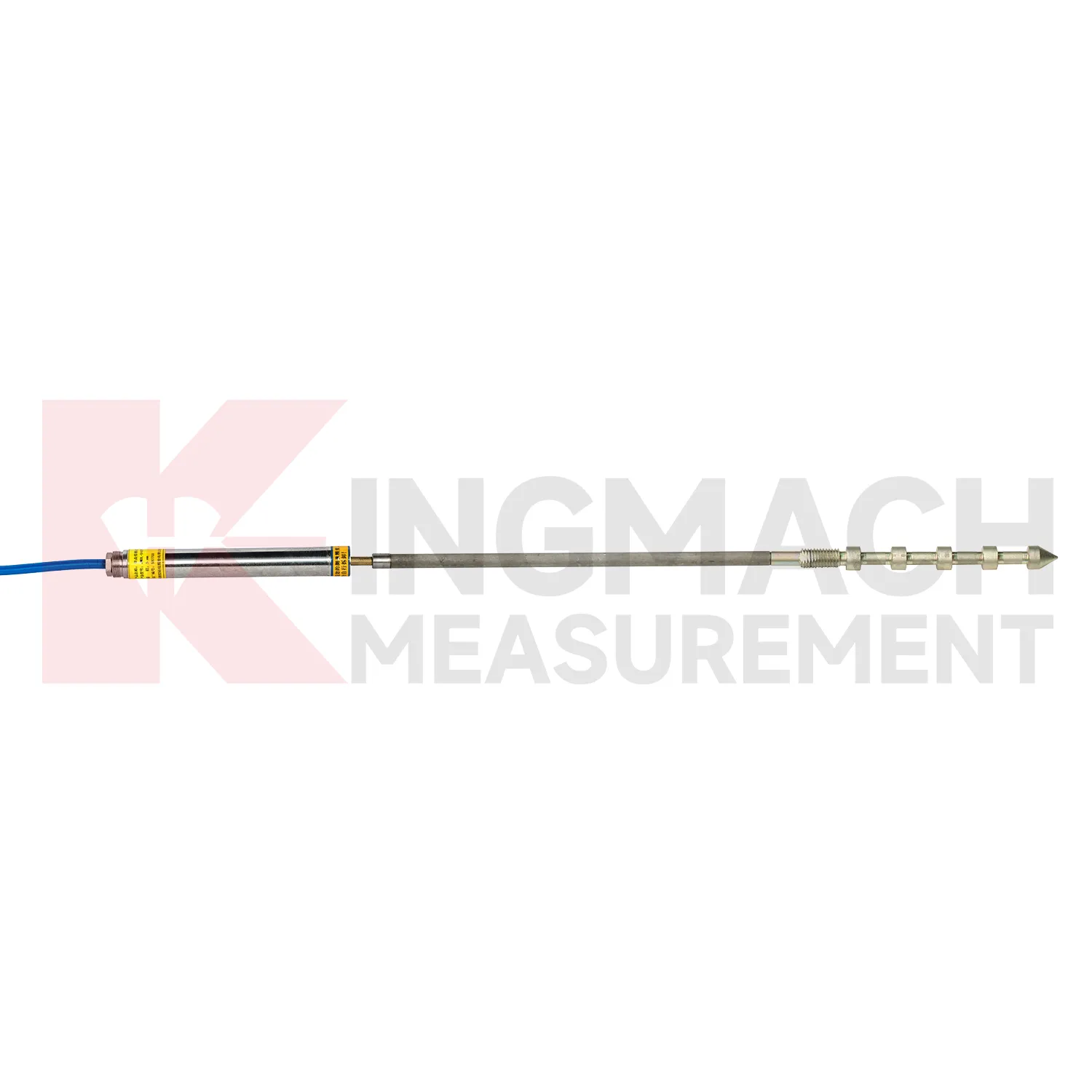
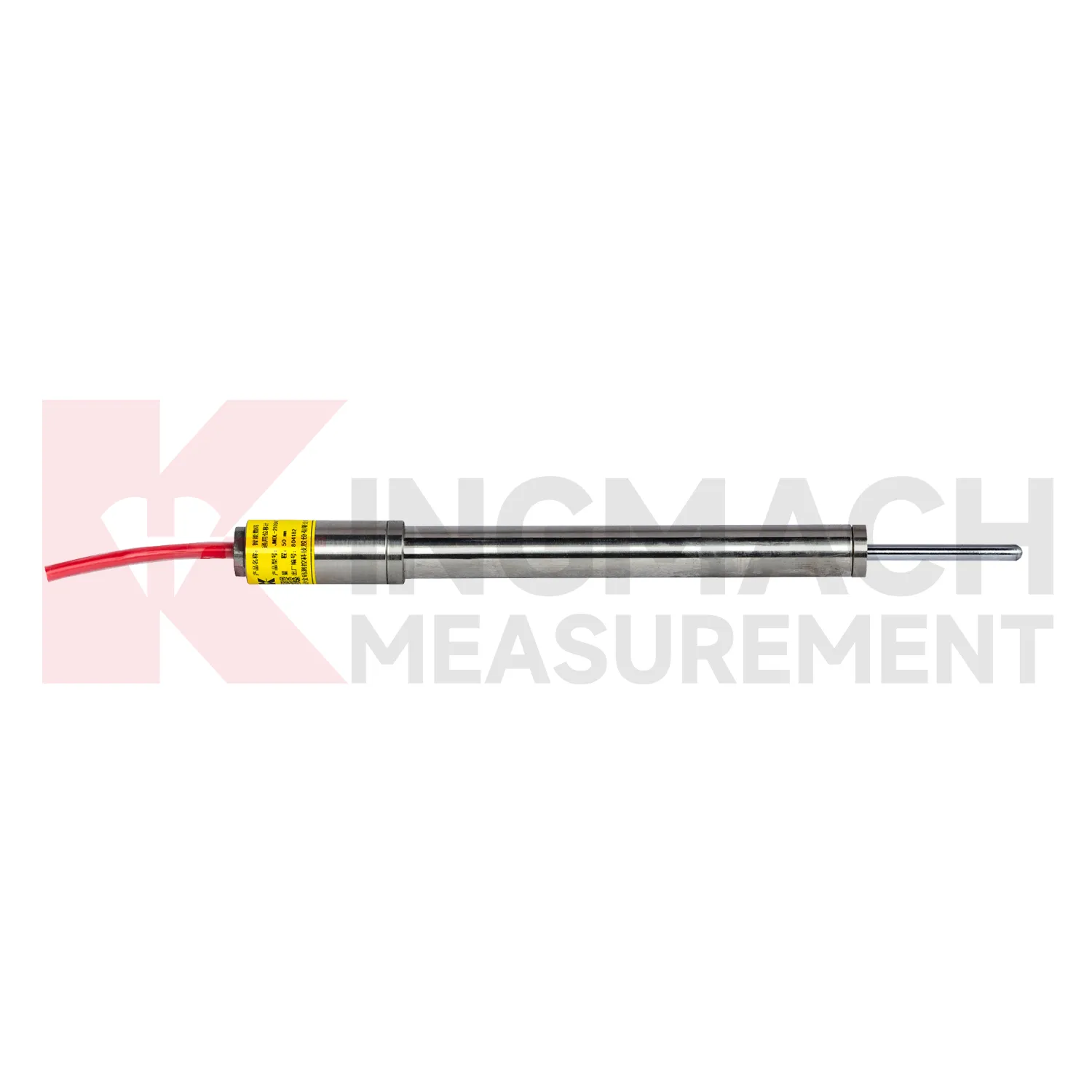
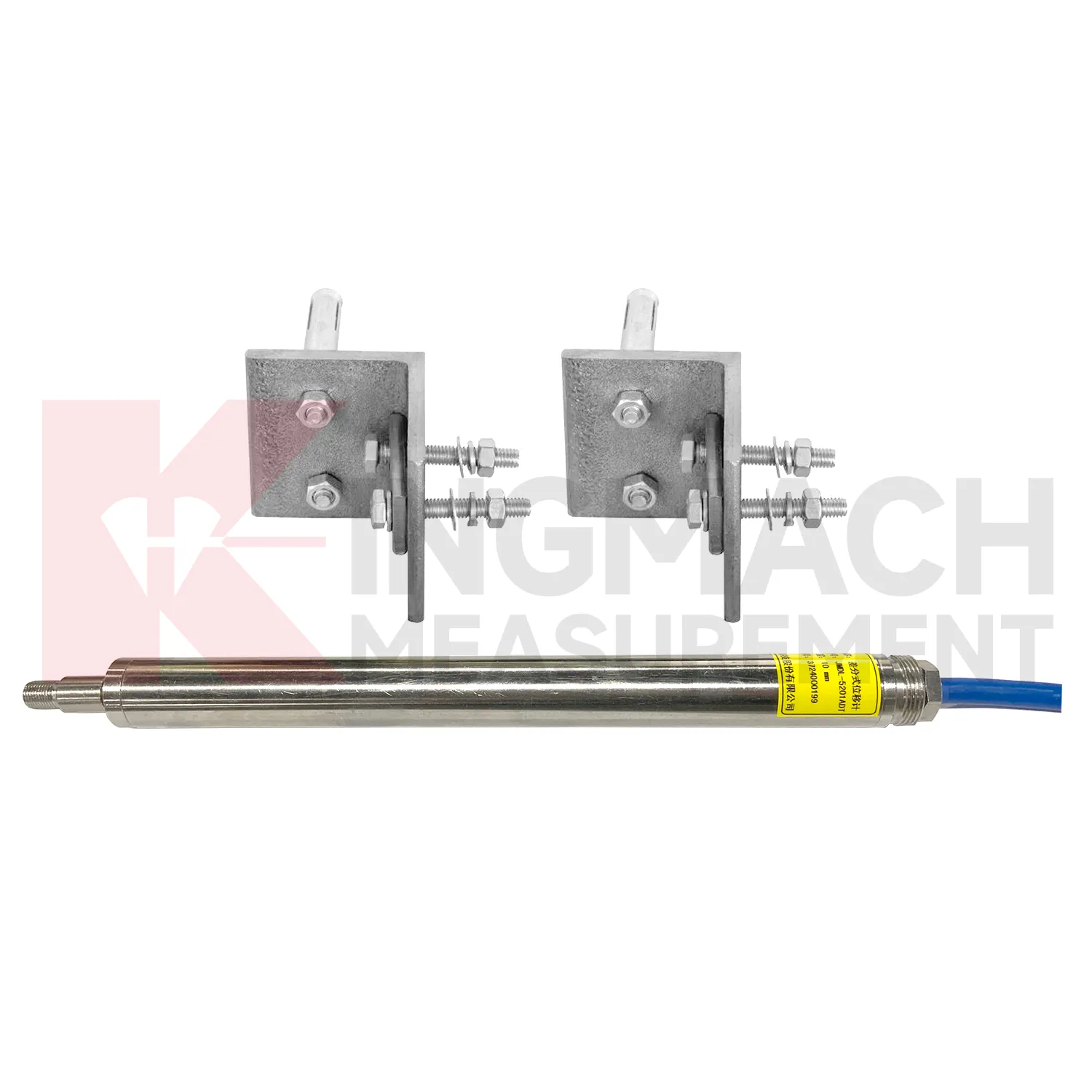
The JMDL-32XXAT Smart Single-Point Bedrock Displacement Meter extends Kingmach Flexible Displacement Meter into embedded rock and foundation monitoring. It is designed for tunnel rock mass deformation, dam bedrock deformation, slope sliding, and foundation pit face movement. The assembly includes a flange, electrical displacement sensor, tie rod, anchor head, and PVC pipe, forming a practical embedded instrument for single-depth displacement. Listed models include 50 mm, 100 mm, and 200 mm ranges, each with 0.01 mm resolution. Product information lists displacement accuracy of 0.5%FS, temperature accuracy of plus or minus 0.5 degrees Celsius, and an operating temperature range from -30 degrees Celsius to +80 degrees Celsius. This product is useful where the monitoring point needs to be anchored into a known layer rather than mounted only on a visible surface. In tunnels, dams, slopes, and deep excavations, that embedded layout helps link surface observations with movement inside the rock or foundation body. During project setup, the measuring point should be matched with the expected travel direction, available mounting space, cable route, and required acquisition interval. This prevents a short-range joint instrument from being used on a long-travel point, or an exposed sensor from being placed where an embedded anchor is needed. It also helps the monitoring team set a baseline that can be defended during acceptance and later maintenance review.
Application of Flexible Displacement Meter
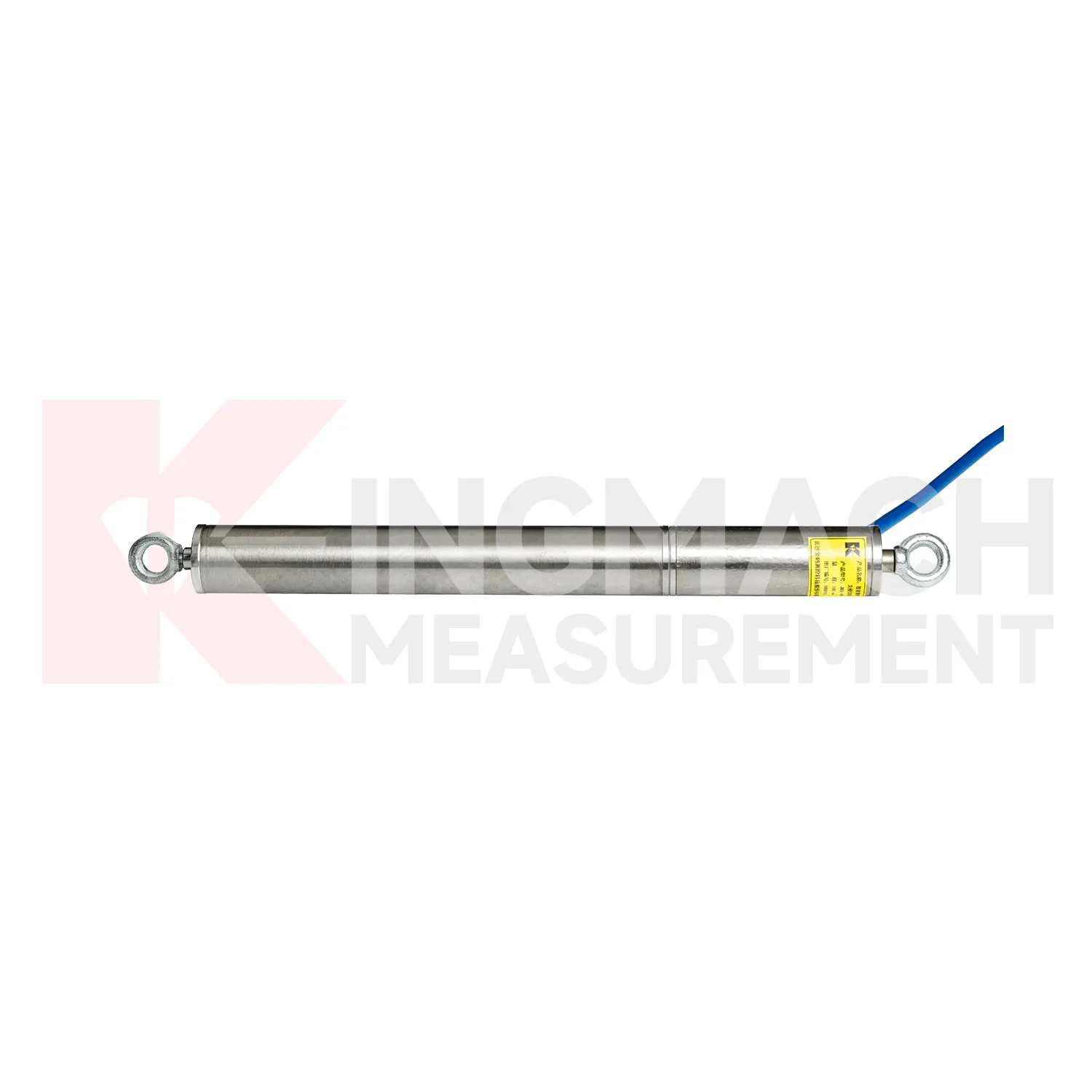
In building and high-formwork construction, Flexible Displacement Meter are used less like long-term bridge instruments and more like real-time construction controls. During concrete pouring, steel pipe supports, scaffold frames, formwork platforms, and temporary load paths can move quickly while workers and pumps are still operating. Kingmach JMDL-49XXAT formwork displacement meters are built for this kind of site, with 50 mm, 100 mm, and 200 mm ranges, 0.01 mm sensitivity, 0.5%FS accuracy, IP68 protection, and a listed temperature range from -40 degrees Celsius to +100 degrees Celsius. Built-in memory can store time, temperature, displacement values, and other records. On a high-formwork job, the sensor position should be tied to the pouring sequence, support layout, concrete volume, and warning action. A sudden lateral movement of a steel pipe has a different meaning from slow settlement after loading. JMDL-22XXAT crack gauges may also be used after construction to follow building joint or crack width changes. The practical value is fast site feedback while the work can still be adjusted. Site teams should define who receives alarms during pouring, how readings are confirmed, and when work should pause for inspection. This makes the displacement point part of the construction control process, not just a record reviewed after the risk has passed.
The future of Flexible Displacement Meter
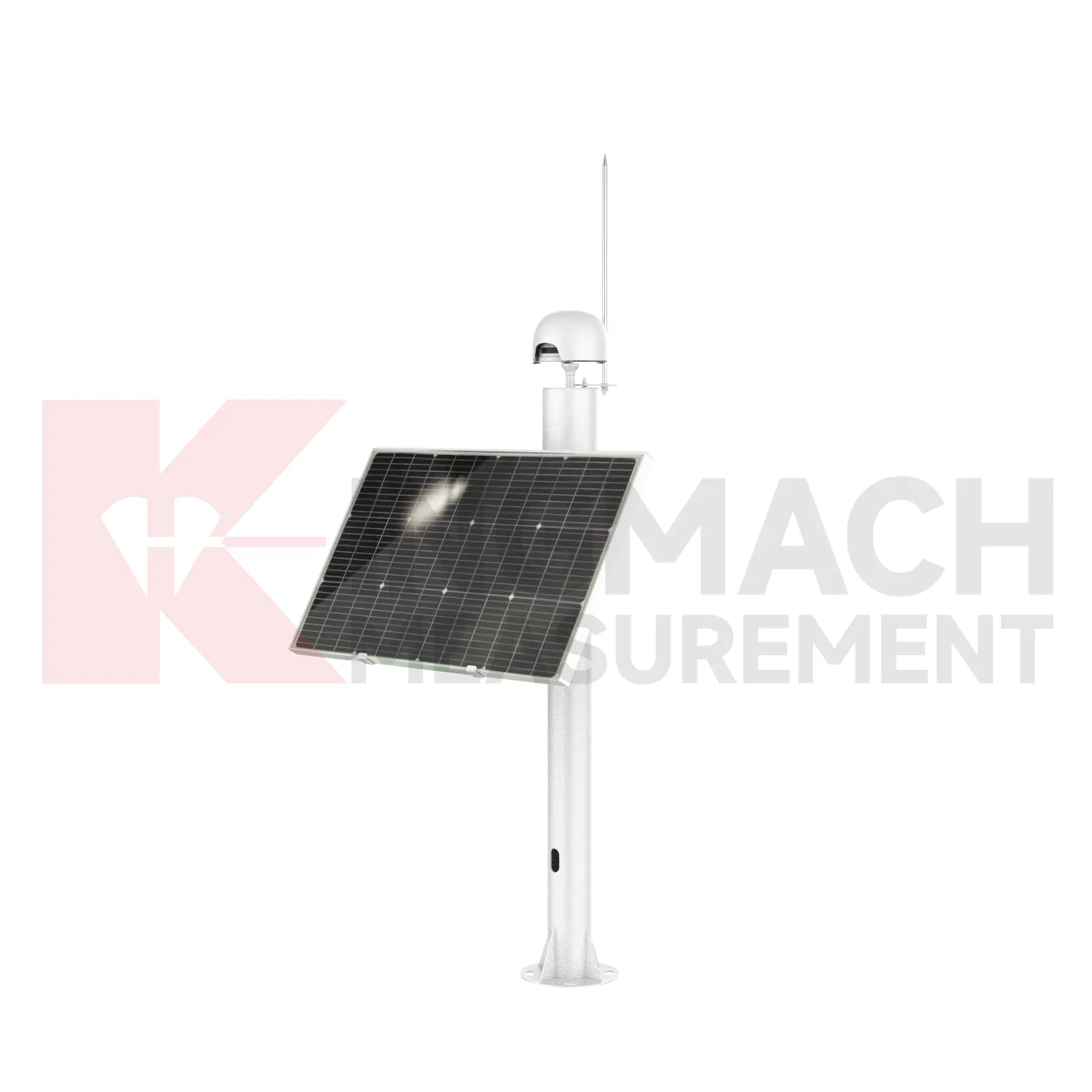
Wireless and low-power networks will change how Flexible Displacement Meter are deployed on difficult sites. Many displacement points are located on slopes, dam shoulders, tunnel portals, remote rail subgrades, or temporary construction zones where cabling is expensive and easy to damage. Kingmach displacement products already support automatic acquisition in several forms, and future field layouts can combine wired RS485 points, LoRa or 4G gateways, solar power, and compact edge devices. The engineering task will be to preserve reliable baselines while reducing field maintenance. Sensors with built-in memory and stored calibration data help because the point can retain key identity information even when a gateway is replaced. Remote power planning, connector sealing, lightning protection, and clear channel naming will become as important as the sensor range itself. For remote terrain, the biggest gain will be fewer unnecessary site visits: teams can review battery status, data gaps, and movement direction before sending technicians into a hazardous or hard-to-access location.
Care & Maintenance of Flexible Displacement Meter
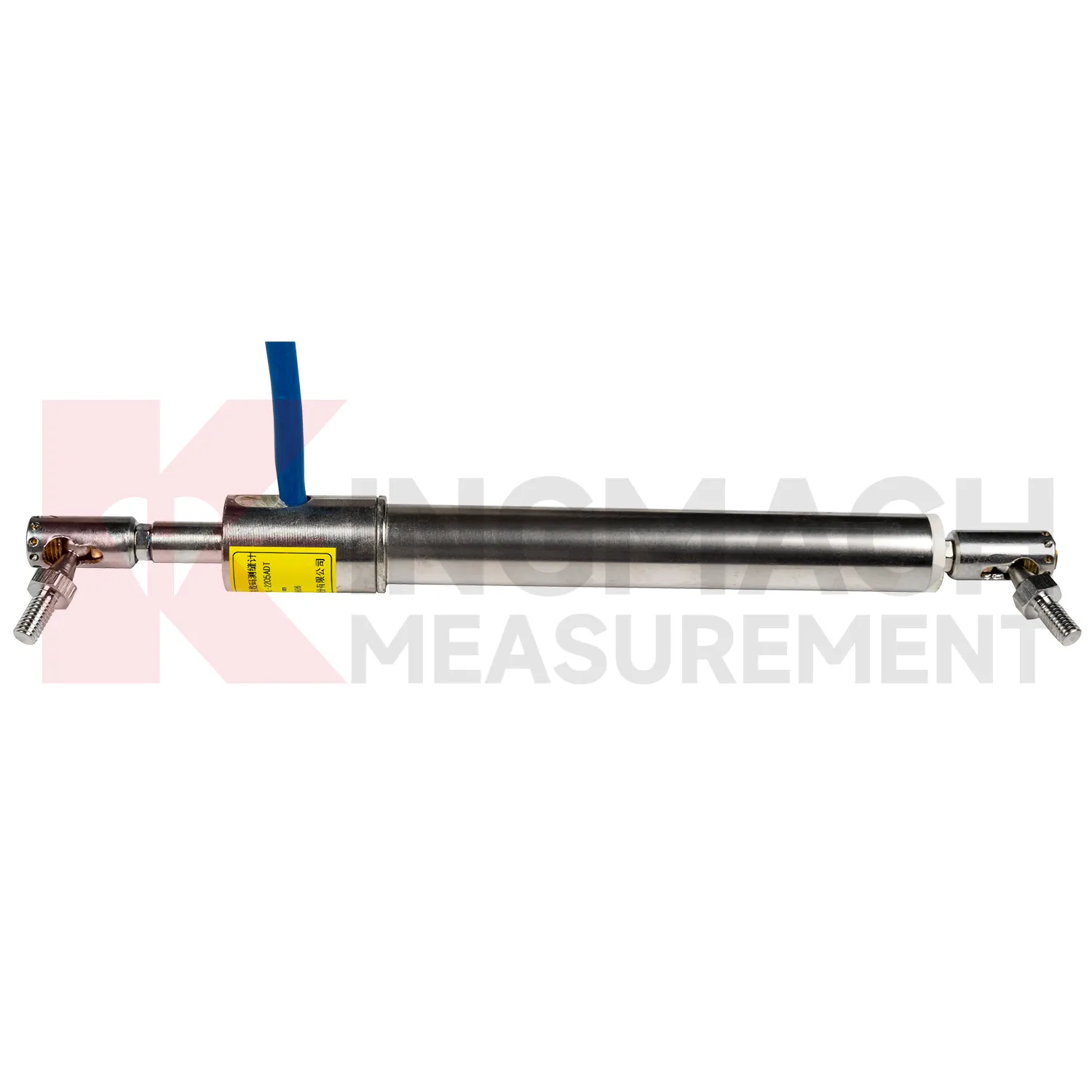
Care for Flexible Displacement Meter starts with selecting the correct range before installation. A 20 mm or 50 mm joint sensor cannot replace a 1000 mm draw-wire sensor, and an embedded rock displacement meter cannot be treated like a surface crack gauge. Confirm model, range, resolution, accuracy, mounting accessories, cable length, power supply, output type, waterproof rating, and acquisition method before the instrument is shipped to site. For Kingmach products, check whether the selected model is JMDL-21XXAT, JMDL-22XXAT, JMDL-24XXAT, JMDL-31XXAT, JMDL-32XXAT, JMDL-49XXAT, JMDL-52XXADT, JMCW-21XXADT, or JMLS-22XXADT. During installation, record the zero reading only after brackets, anchors, measuring rods, cable pulls, or grouted points are stable. A rushed baseline can make every later reading harder to interpret, even when the sensor itself is working correctly. Keep the installation photo, point number, zero value, and expected movement direction with the commissioning record for later review. If a reading changes after maintenance work, inspect the base, anchor, cable, and cabinet before assuming the structure itself has moved.
Kingmach Flexible Displacement Meter
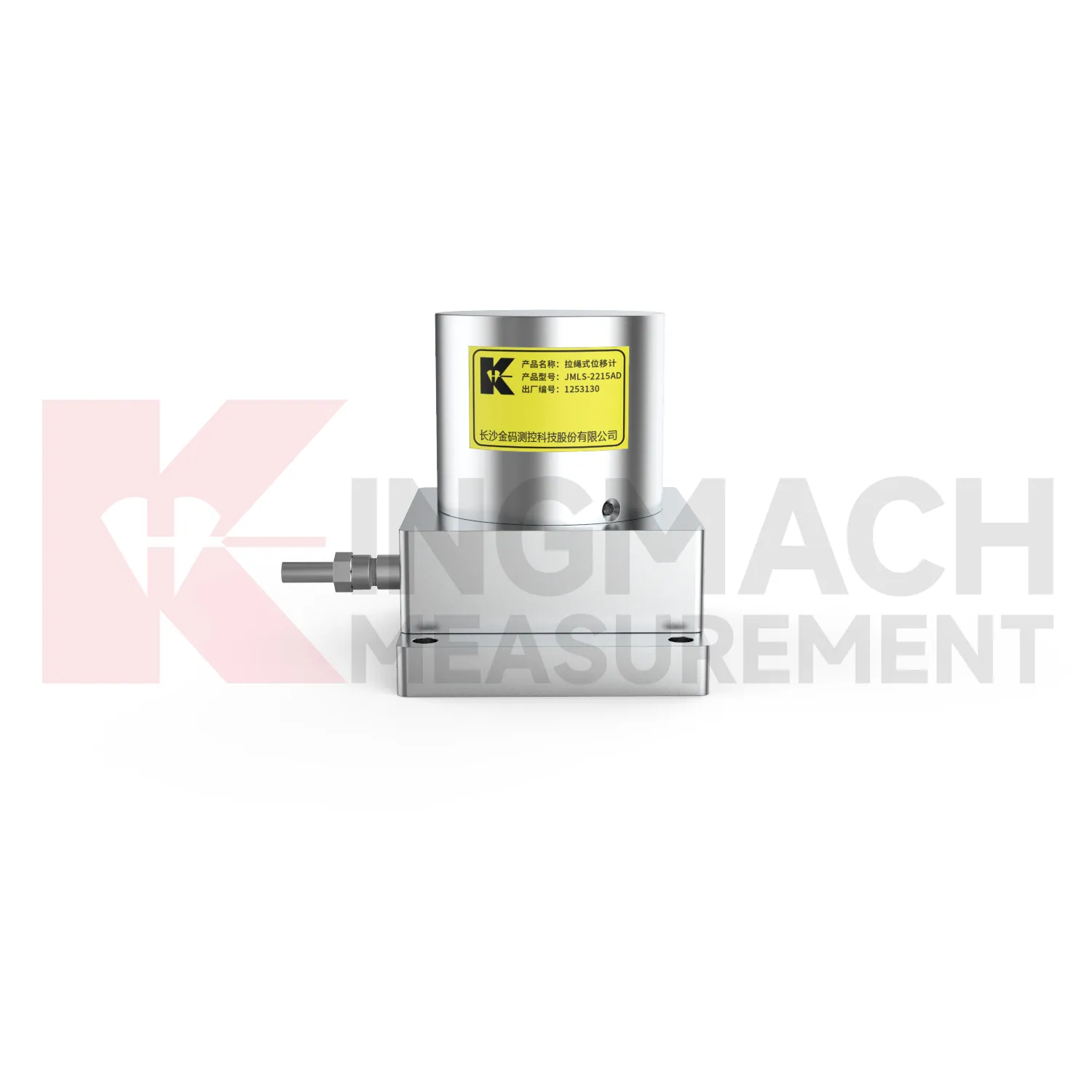
Flexible Displacement Meter help engineers separate normal movement from structural risk. A bridge expansion joint may move with temperature, a tunnel lining may shift after excavation, and a slope may creep slowly before an alarm condition appears. Kingmach displacement products use several sensing routes, including inductive frequency modulation, differential coil measurement, magnetostrictive sensing, draw-wire conversion, and GNSS-based displacement tracking. Ranges can start at 20 mm for joint monitoring and extend to 2000 mm for draw-wire applications, while selected smart models store model data, serial numbers, calibration coefficients, zero values, temperature, and hundreds of measurement records. This makes the reading easier to trace during acceptance, maintenance, and later review. For a project buyer, the practical question is whether the movement point is exposed, embedded, multi-depth, long-distance, waterproof, or tied to geogrid. Kingmach provides different forms for those different site conditions. The point should be named on the drawing, linked with its cable route, and checked against the expected movement direction before the first automatic reading is accepted. For daily review, the reading should be compared with nearby points, recent weather, site operations, and any loading event that could explain the movement.
FAQ
Q: Which Flexible Displacement Meter handle long travel?
A: JMLS-22XXADT wire rope sensors cover 0 to 500 mm, 0 to 1000 mm, and 0 to 2000 mm ranges, while JMCW-21XXADT magnetostrictive meters cover 0 to 1000 mm absolute position measurement.
Q: What is the difference between wire rope and magnetostrictive types?
A: Wire rope sensors convert cable extension or retraction into displacement data, while magnetostrictive meters use non-contact sensing for absolute linear position.
Q: What protection ratings are listed?
A: Product information lists IP67 for the JMLS-22XXADT wire rope sensor and IP67 for the JMCW-21XXADT magnetostrictive meter.
Q: What communication is available?
A: Both products list RS485 communication, which supports digital connection to acquisition systems.
Q: Where are long-travel models used?
A: They are used in dam monitoring, geohazard prevention, machinery position, hydraulic cylinders, gate movement, tunnel clearances, and structural displacement between two points.
Reviews
Michael Anderson
The strain gauges and load cells are extremely accurate and stable. They performed very well in our bridge monitoring project. Highly recommended!
Matthew Garcia
Instrumentation cables are durable and perform well even in harsh environments. Will definitely order again.
Latest Inquiries
To protect the privacy of our buyers, only public service email domains like Gmail, Yahoo, and MSN will be displayed. Additionally, only a limited portion of the inquiry content will be shown.
Charlotte***@gmail.comUnited Arab Emirates
Hi, we require instrumentation cables suitable for harsh environments. Could you advise on specifica...
Olivia***@gmail.comUnited States
Hello, we are currently sourcing high-precision strain gauges and load cells for a bridge monitoring...