
 EN
EN
 ar
ar bg
bg hr
hr cs
cs da
da nl
nl fi
fi fr
fr de
de el
el hi
hi it
it ko
ko no
no pl
pl pt
pt ro
ro ru
ru es
es sv
sv tl
tl iw
iw id
id lv
lv lt
lt sr
sr sk
sk sl
sl uk
uk vi
vi et
et hu
hu th
th tr
tr fa
fa ms
ms hy
hy ka
ka ur
ur bn
bn mn
mn ta
ta kk
kk uz
uz ku
ku
Multi-point Displacement Meter
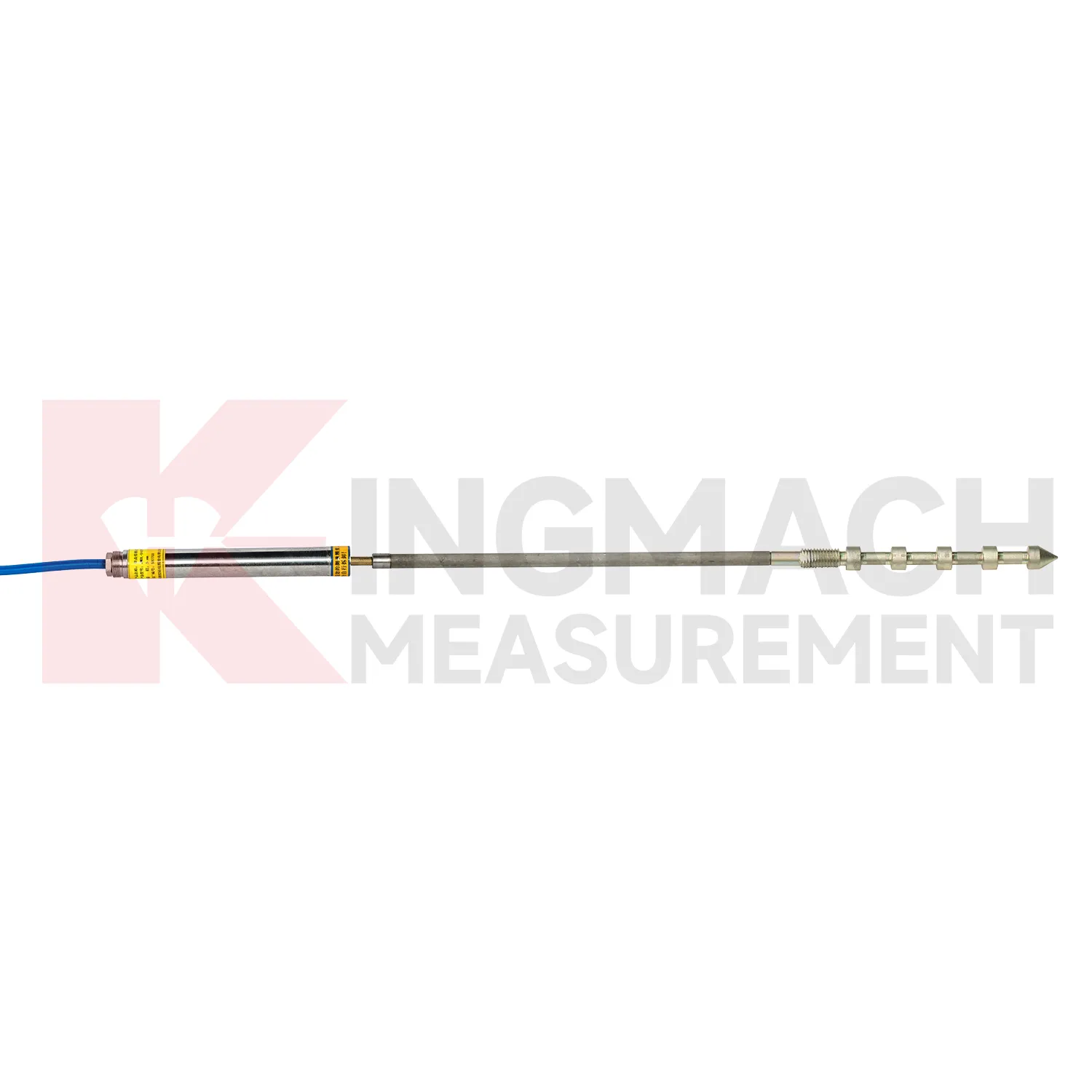
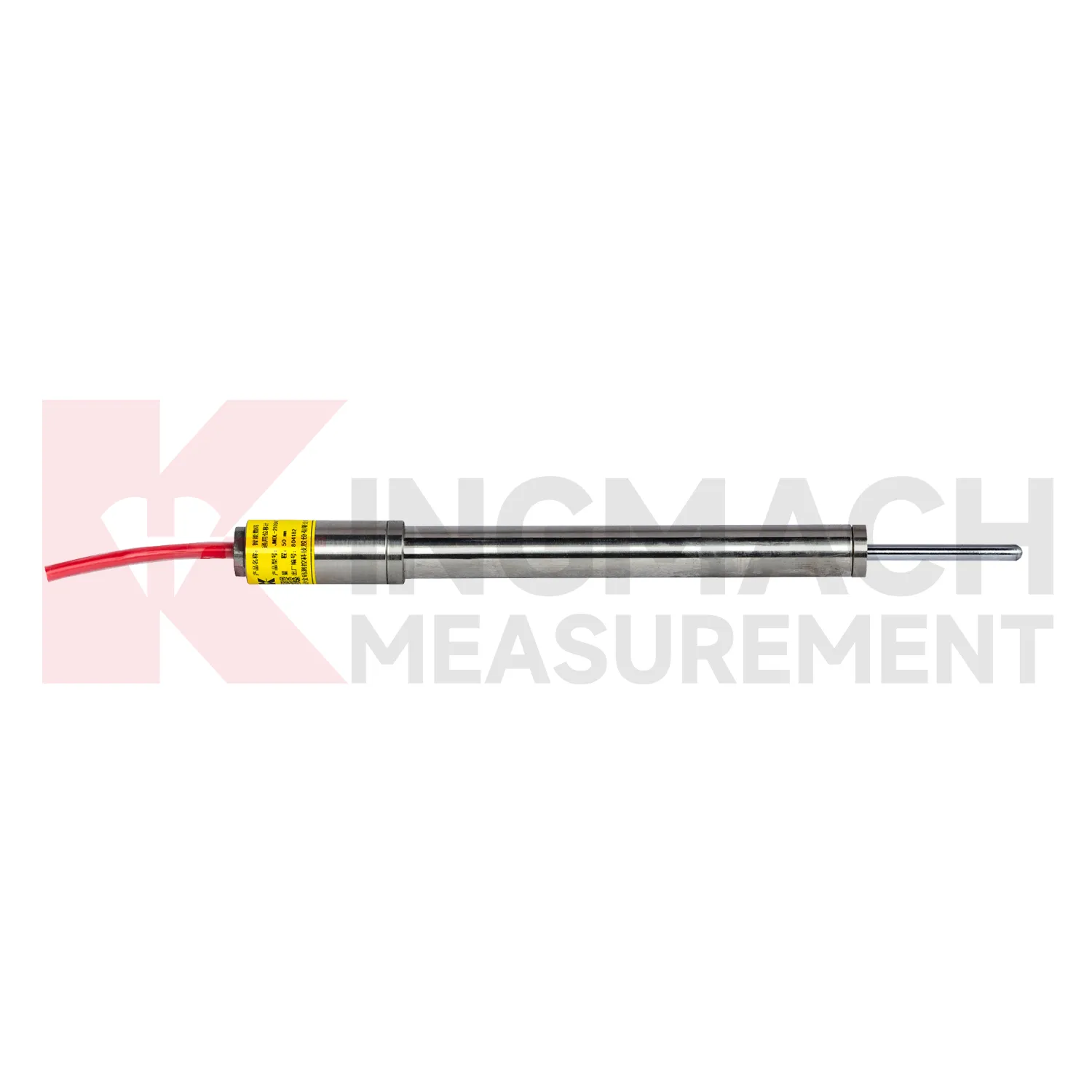
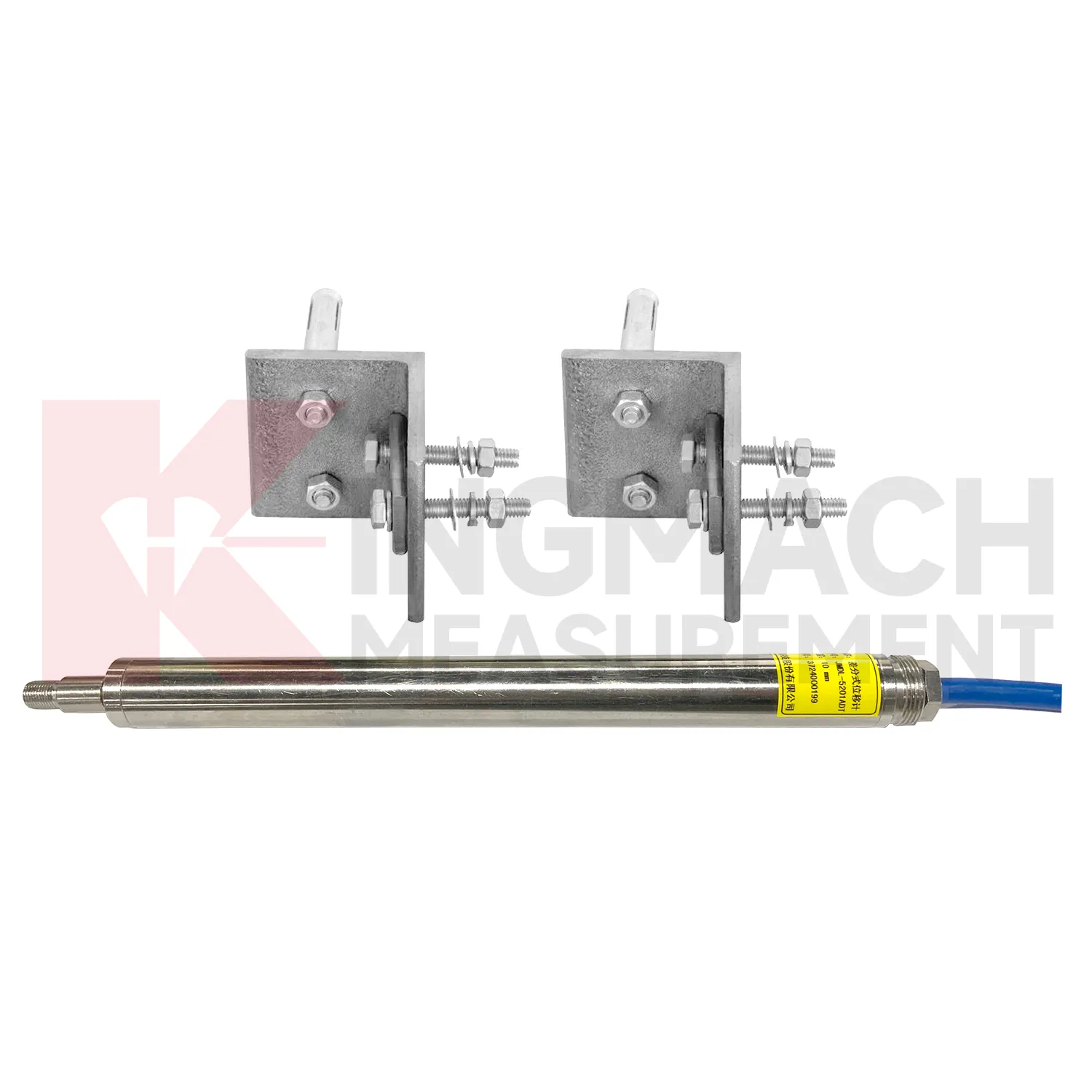
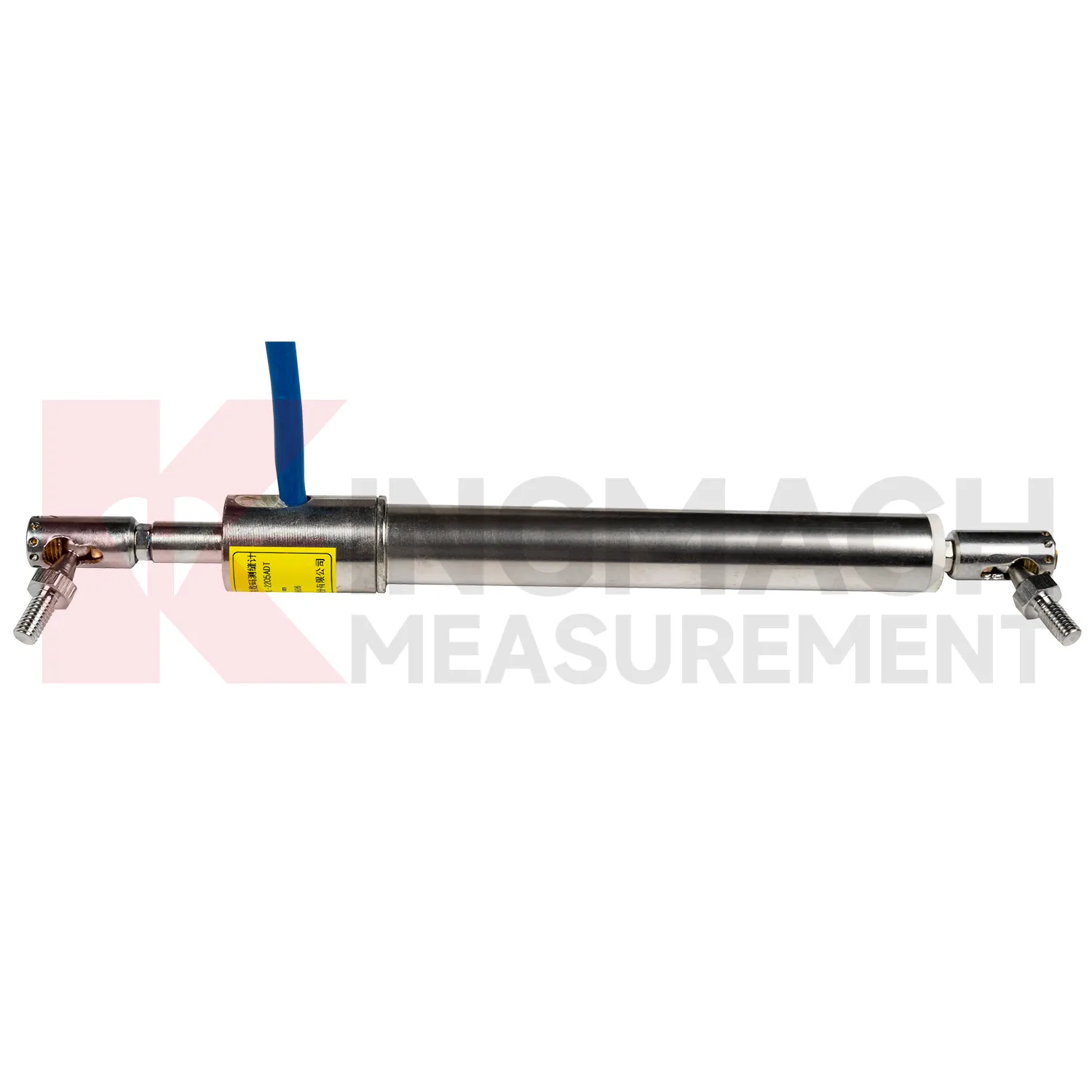
Kingmach Multi-point Displacement Meter cover a broad group of displacement measurement products for civil, geotechnical, hydropower, transportation, and industrial projects. The product category includes short-range crack gauges, general-purpose displacement meters, differential displacement meters, flexible geogrid meters, multipoint rock displacement meters, single-point bedrock meters, formwork displacement meters, wire rope sensors, magnetostrictive displacement meters, and GNSS displacement devices. This range matters because displacement measurement is not one mechanical condition. A bridge joint may need 20 mm to 100 mm differential monitoring, while a draw-wire application may require 500 mm to 2000 mm travel. Some projects need embedded anchoring and grouting, while others need surface brackets, universal bases, or a cable pulled between two points. Kingmach supports these different layouts with digital output, stored calibration data, waterproof structures, and automatic acquisition compatibility. The goal is to give engineers stable movement data that can be traced from sensor body to monitoring platform. During project setup, the measuring point should be matched with the expected travel direction, available mounting space, cable route, and required acquisition interval. This prevents a short-range joint instrument from being used on a long-travel point, or an exposed sensor from being placed where an embedded anchor is needed. It also helps the monitoring team set a baseline that can be defended during acceptance and later maintenance review.
Application of Multi-point Displacement Meter
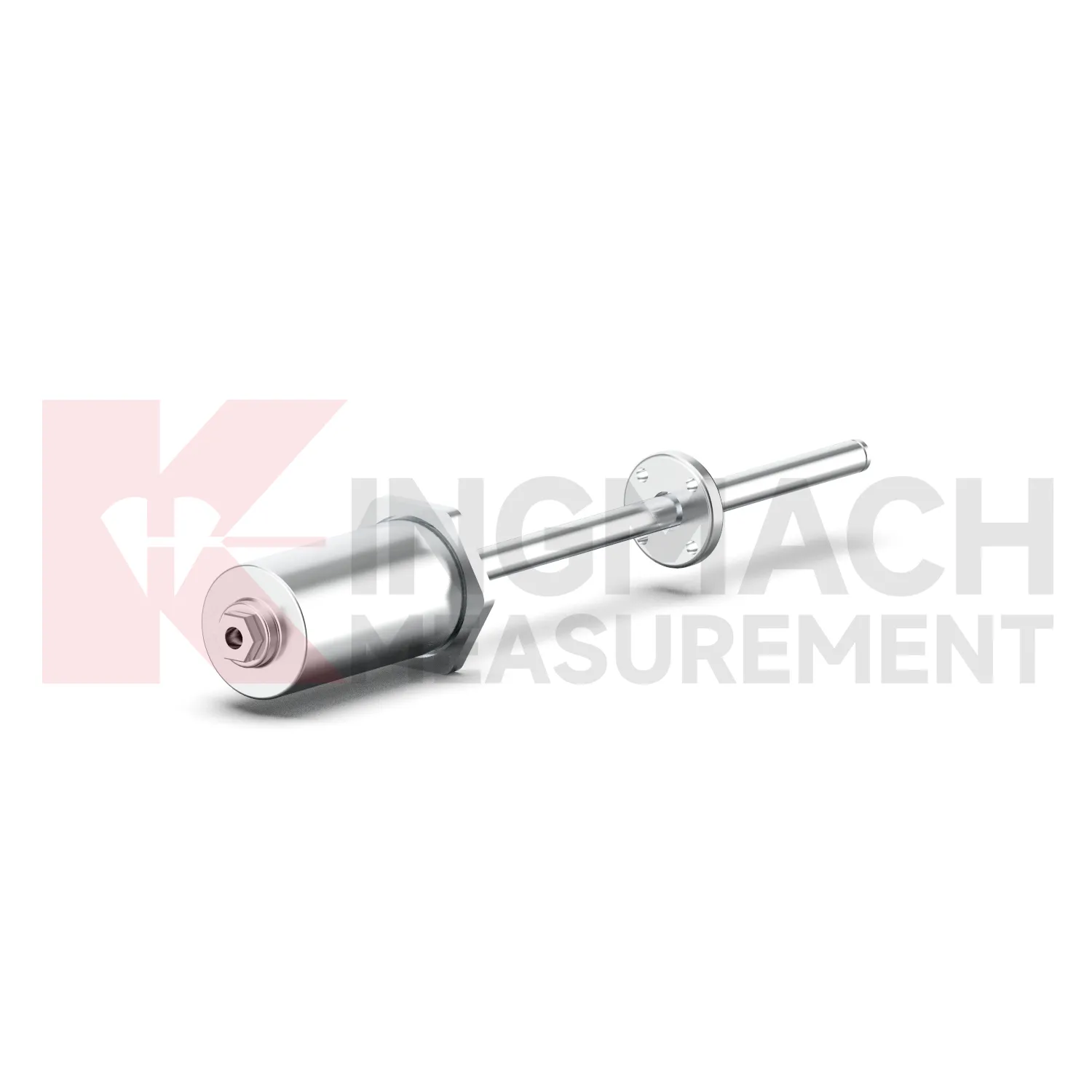
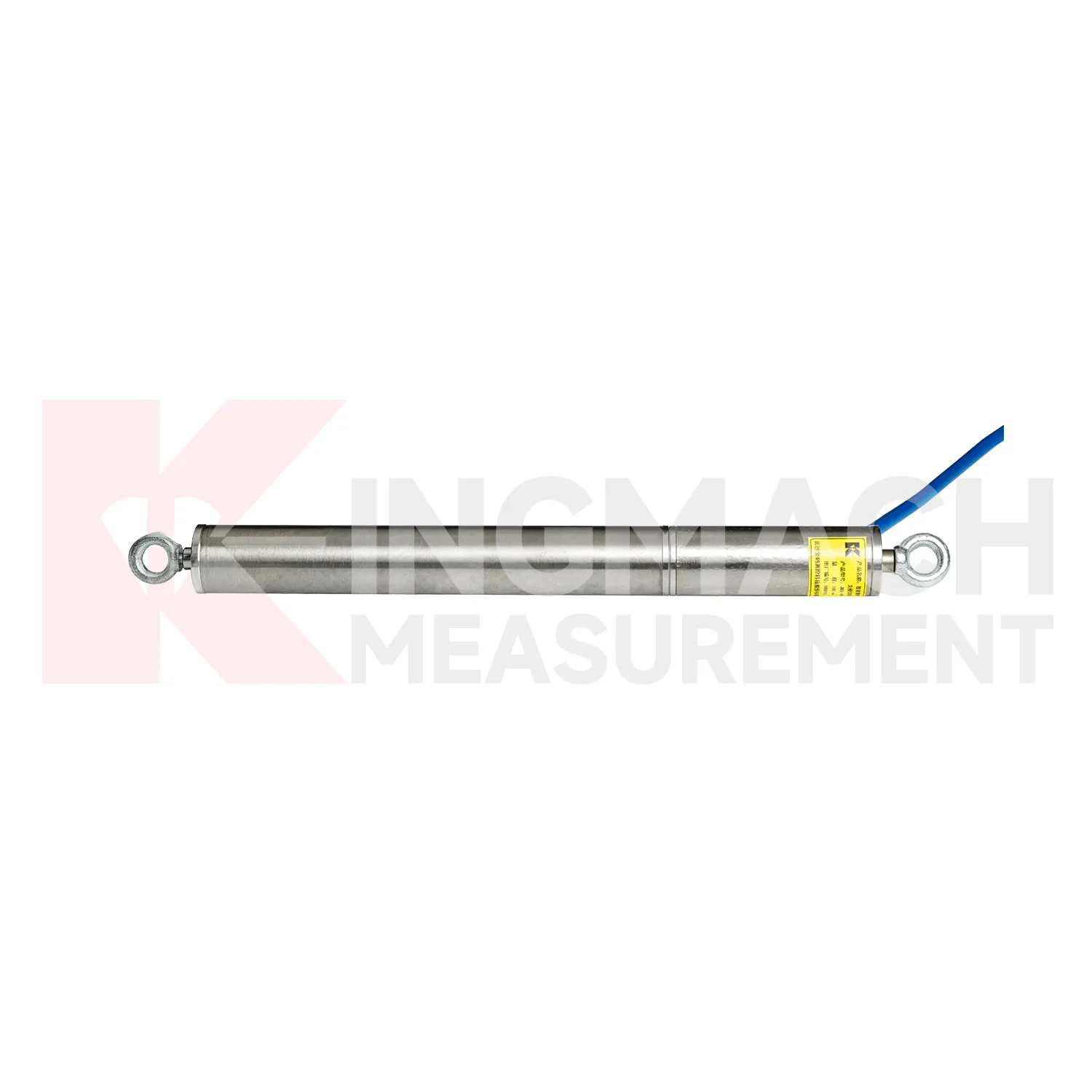
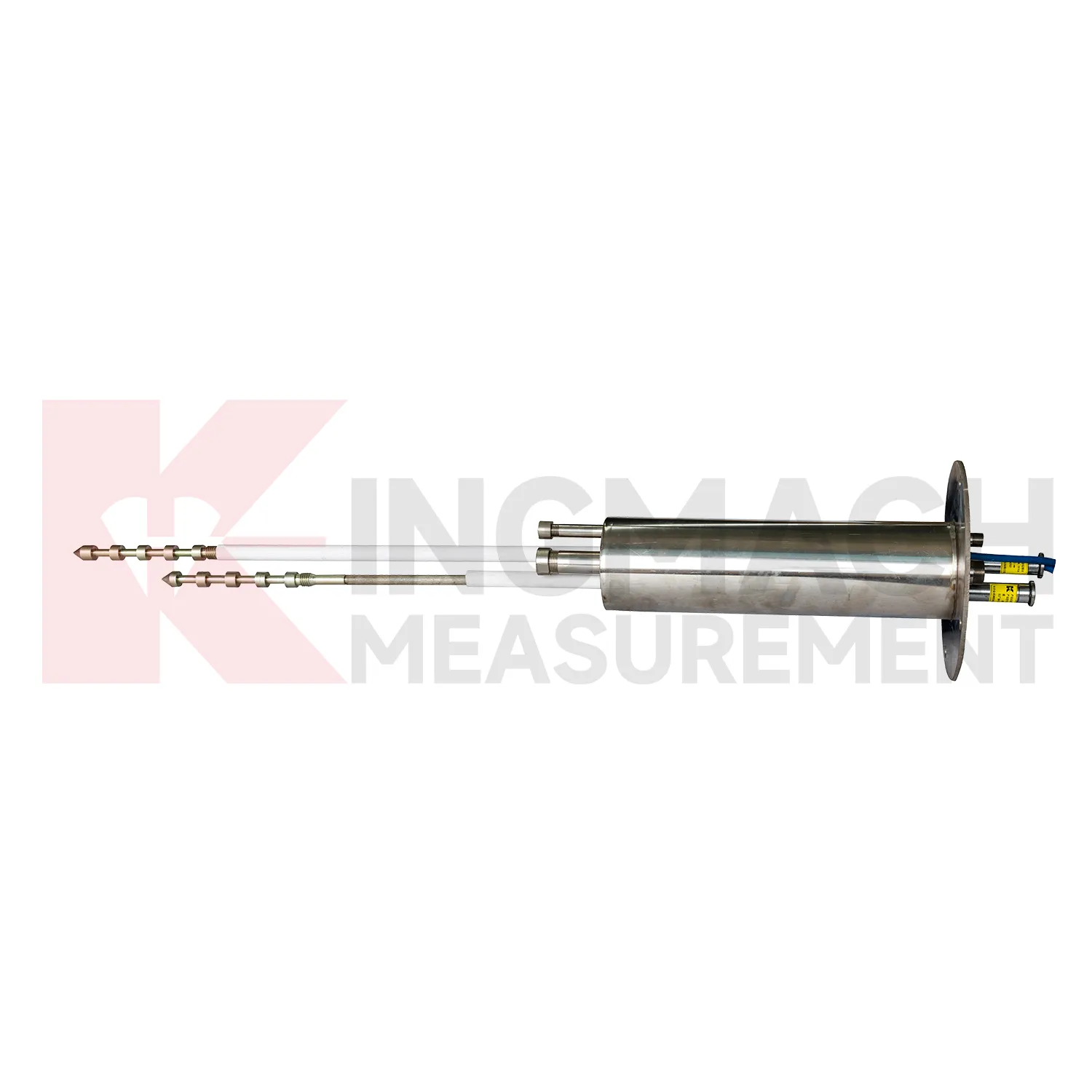
In tunnel engineering, Multi-point Displacement Meter help monitor surrounding rock deformation, lining movement, tunnel portal displacement, clearance change, and crack opening after excavation. Tunnel sites often have wet air, dust, restricted access, and changing support stages, so the instrument must hold a stable baseline through construction disturbance. Kingmach JMDL-31XXAT multipoint displacement meters use drilling and grouting with anchor heads at different depths, allowing engineers to compare the movement of separate rock layers. The series lists 50 mm, 100 mm, and 200 mm ranges with 0.01 mm resolution. JMDL-32XXAT single-point bedrock meters can be embedded with a flange, tie rod, anchor head, and PVC pipe assembly. JMLS-22XXADT wire rope sensors can watch longer displacement paths or tunnel wall clearances. These readings help site teams decide whether deformation is responding to excavation sequence, groundwater, lining timing, nearby blasting, or long-term ground pressure. During operation, the monitoring team should keep the baseline, temperature, inspection notes, and nearby sensor behavior in the same review file. This makes it easier to tell whether a movement trend comes from normal service, a repair event, changing load, water influence, or developing structural risk. Clear records also help owners decide when a field inspection is needed instead of waiting for visible damage.
The future of Multi-point Displacement Meter
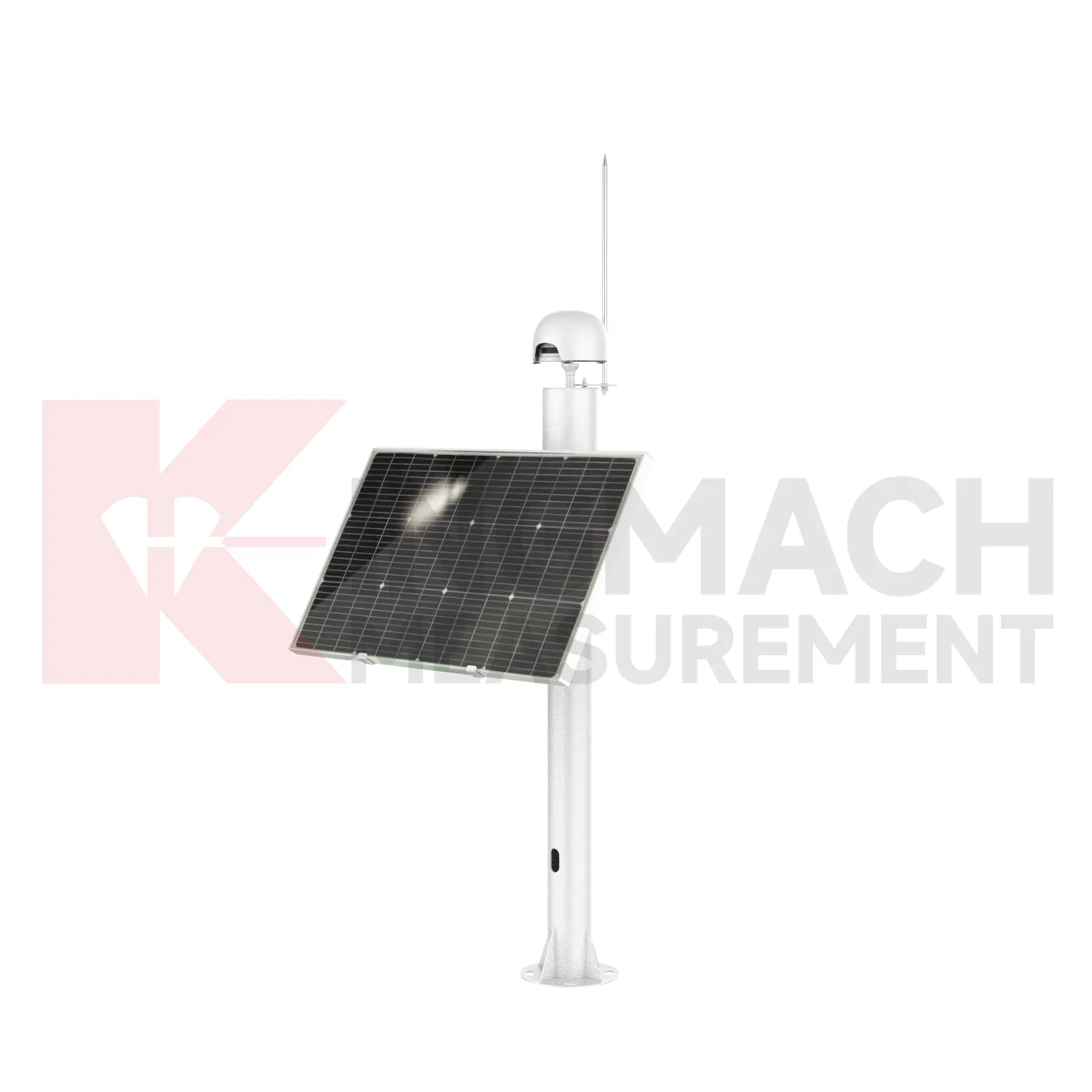
Wireless and low-power networks will change how Multi-point Displacement Meter are deployed on difficult sites. Many displacement points are located on slopes, dam shoulders, tunnel portals, remote rail subgrades, or temporary construction zones where cabling is expensive and easy to damage. Kingmach displacement products already support automatic acquisition in several forms, and future field layouts can combine wired RS485 points, LoRa or 4G gateways, solar power, and compact edge devices. The engineering task will be to preserve reliable baselines while reducing field maintenance. Sensors with built-in memory and stored calibration data help because the point can retain key identity information even when a gateway is replaced. Remote power planning, connector sealing, lightning protection, and clear channel naming will become as important as the sensor range itself. For remote terrain, the biggest gain will be fewer unnecessary site visits: teams can review battery status, data gaps, and movement direction before sending technicians into a hazardous or hard-to-access location.
Care & Maintenance of Multi-point Displacement Meter
For embedded Multi-point Displacement Meter such as multipoint and bedrock displacement meters, maintenance depends heavily on installation records because the sensing parts may not be visible after grouting or backfilling. For JMDL-31XXAT multipoint meters, keep drilling depth, anchor head depth, grouting date, point number, cable route, and baseline readings in one record. The system may monitor three to five points, so channel naming must be exact. For JMDL-32XXAT single-point bedrock meters, record flange position, tie rod condition, anchor point, PVC pipe route, and expected movement direction. During service, compare adjacent depths rather than reading each channel alone. A shallow layer moving while deeper layers remain steady has a different meaning from full-depth displacement. Do not pull or shorten cables during cabinet work, and protect exposed sections from water, rodents, sharp edges, and construction traffic. Keep the installation photo, point number, zero value, and expected movement direction with the commissioning record for later review. If a reading changes after maintenance work, inspect the base, anchor, cable, and cabinet before assuming the structure itself has moved.
Kingmach Multi-point Displacement Meter
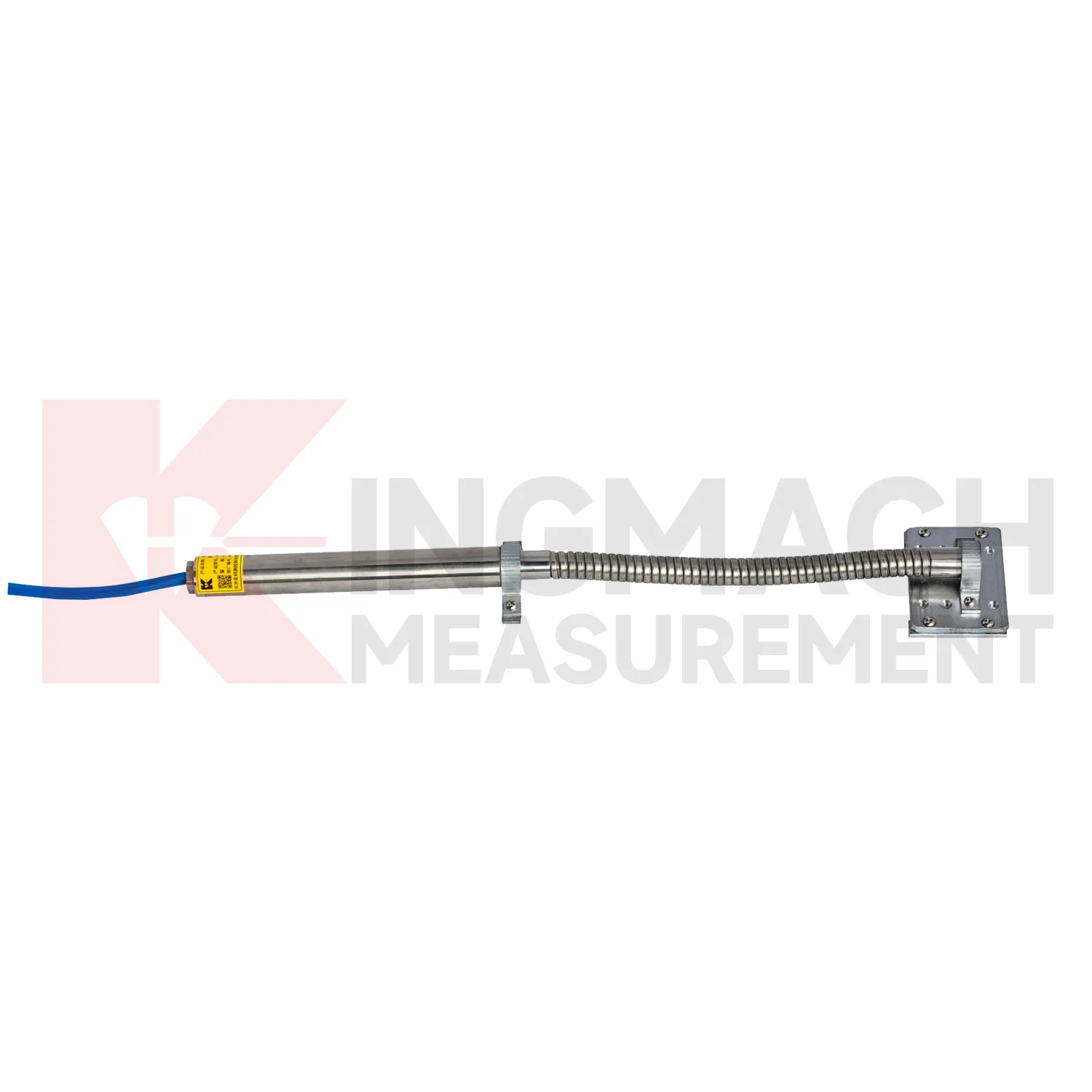
Multi-point Displacement Meter give field teams a direct way to watch components that are hard to judge by sight. A formwork pipe may shift during pouring, a rock layer may slide behind the excavation face, a geogrid may deform inside reinforced soil, and a dam joint may open after water level change. Kingmach's product range includes non-contact designs where the measuring rod and coil work independently, reducing mechanical wear and installation damage. The JMDL-24XXAT flexible displacement meter uses a bendable measuring rod for geogrid monitoring, with 30 mm and 50 mm ranges, 0.01 mm sensitivity, and 0.5%FS accuracy. The JMDL-49XXAT formwork meter offers 50 mm, 100 mm, and 200 mm ranges, IP68 protection, and temperature measurement accuracy of plus or minus 0.5 degrees Celsius. These details are useful when displacement monitoring must continue through wet, crowded, and fast-moving construction stages. The point should be named on the drawing, linked with its cable route, and checked against the expected movement direction before the first automatic reading is accepted. For daily review, the reading should be compared with nearby points, recent weather, site operations, and any loading event that could explain the movement.
FAQ
Q: Which Multi-point Displacement Meter are used for rock layers or bedrock?
A: JMDL-31XXAT multipoint meters are used for different surrounding rock layers, while JMDL-32XXAT single-point bedrock meters are used for tunnel rock mass, dam bedrock, slope, or foundation pit movement.
Q: How many points can the multipoint meter support?
A: The multipoint installation kit supports three to five monitoring points, with anchor heads fixed at different depths by drilling and grouting.
Q: What ranges are listed for these models?
A: Both JMDL-31XXAT and JMDL-32XXAT list 50 mm, 100 mm, and 200 mm models with 0.01 mm resolution.
Q: Why monitor several depths?
A: Different layers may move differently. Separating shallow and deep movement helps engineers judge whether the problem is surface creep, deeper rock slip, or overall mass movement.
Q: What records should be kept?
A: Keep drilling depth, anchor location, grouting date, channel name, zero value, cable route, and first stable reading.
Reviews
David Wilson
We purchased displacement transducers and settlement sensors, and the quality exceeded our expectations. Easy installation and reliable performance.
Michael Anderson
The strain gauges and load cells are extremely accurate and stable. They performed very well in our bridge monitoring project. Highly recommended!
Latest Inquiries
To protect the privacy of our buyers, only public service email domains like Gmail, Yahoo, and MSN will be displayed. Additionally, only a limited portion of the inquiry content will be shown.
Charlotte***@gmail.comUnited Arab Emirates
Hi, we require instrumentation cables suitable for harsh environments. Could you advise on specifica...
Amelia***@gmail.comSingapore
Hello, I am looking for visualization software for monitoring system data analysis. Please let me kn...
Related product categories
- Smart Single-Point /Bedrock Displacement Meter
- Omnidirectional Displacement Meter
- displacement transducer
- displacement transducers
- non contact displacement transducer
- capacitive displacement transducer
- draw wire displacement transducer
- inductive displacement transducer
- laser displacement transducer
- lvdt displacement transducer
- magnetostrictive displacement transducer
- magnetostrictive linear displacement transducer