
 EN
 ar
 bg
 hr
 cs
 da
 nl
 fi
 fr
 de
 el
 hi
 it
 ko
 no
 pl
 pt
 ro
 ru
 es
 sv
 tl
 iw
 id
 lv
 lt
 sr
 sk
 sl
 uk
 vi
 et
 hu
 th
 tr
 fa
 ms
 hy
 ka
 ur
 bn
 mn
 ta
 kk
 uz
 ku

signal acquisition and actuation module
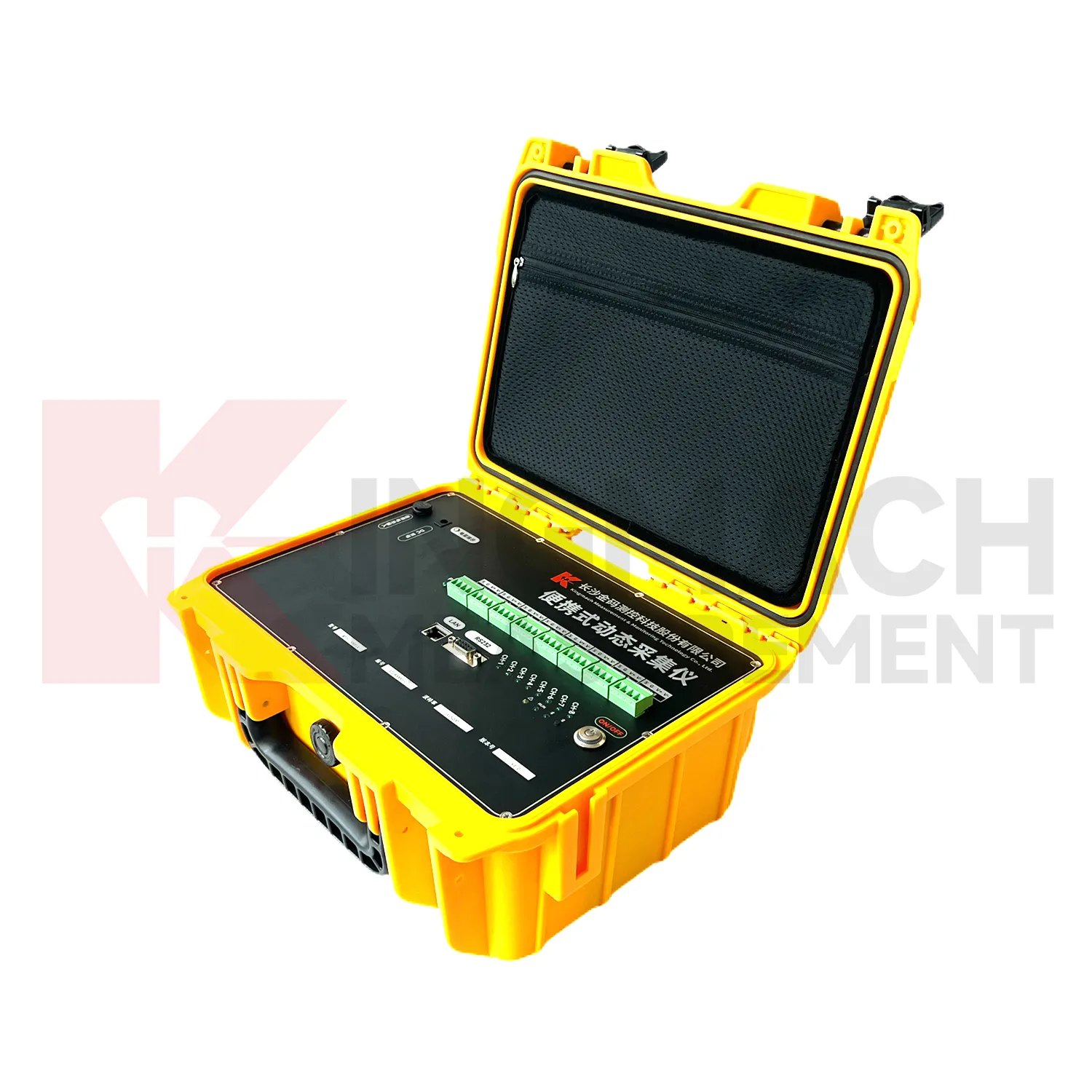
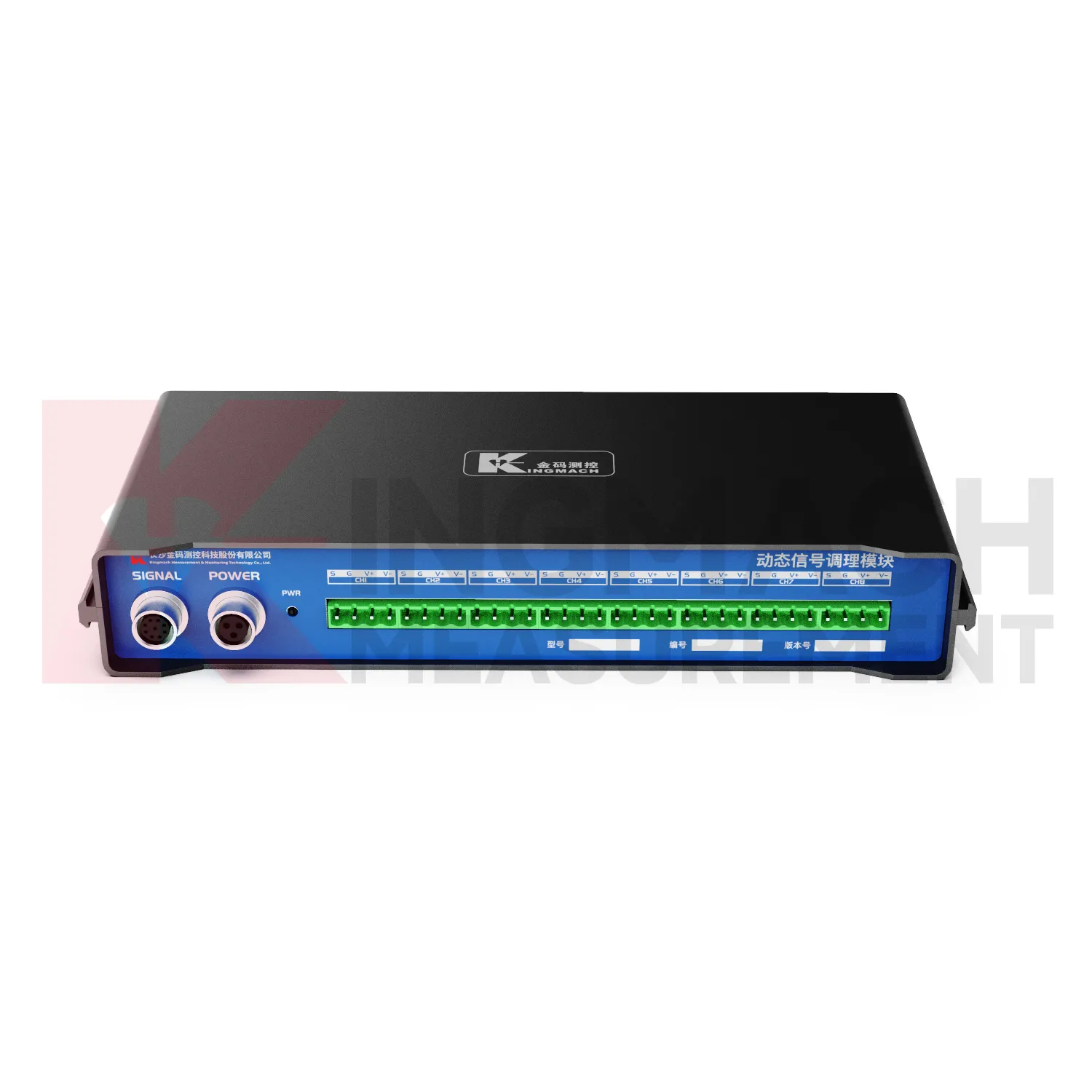
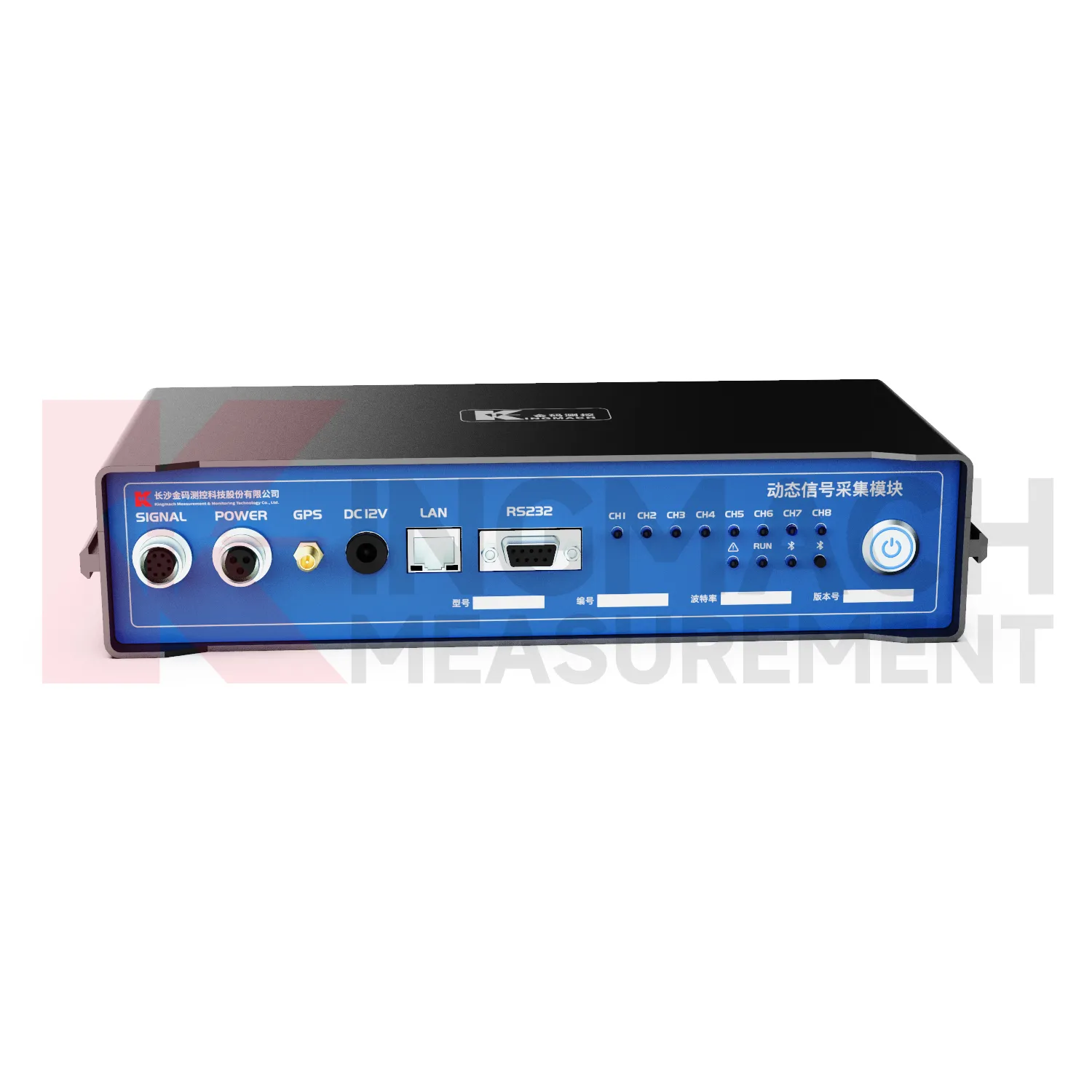
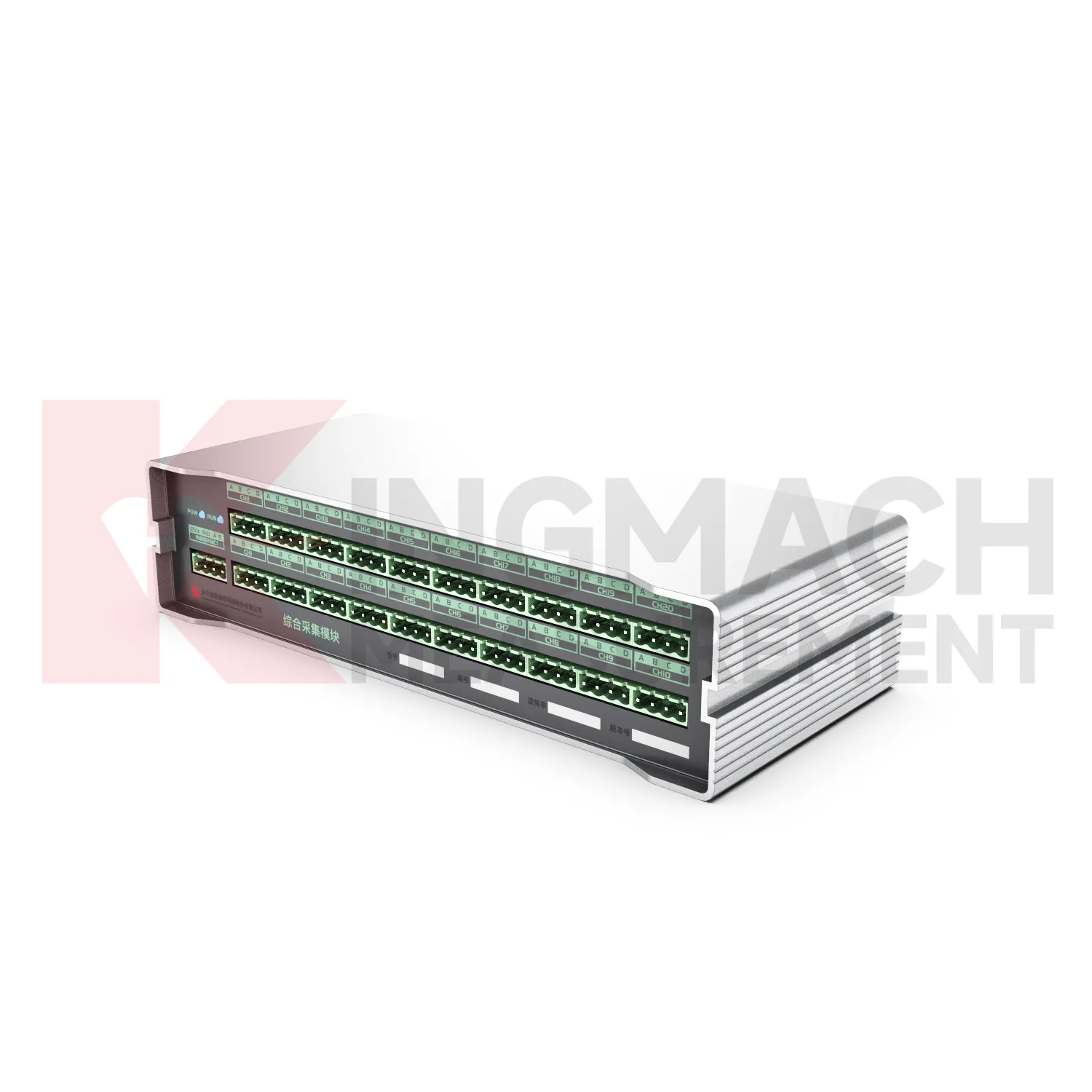
Kingmach signal acquisition and actuation module are evaluated through sensor compatibility and field workflow. A monitoring project may include vibrating wire strain gauges, earth pressure cells, load cells, piezometers, temperature sensors, displacement instruments, accelerometers, and digital bus sensors. The acquisition device must match the signal type and the way the record will be used. A handheld readout can be enough for periodic verification, while an unattended station needs power planning, enclosure protection, upload status, and storage review. Dynamic acquisition needs timing control and signal conditioning. The strongest setup connects the device selection with the physical point, measurement interval, maintenance access, and reporting duty. Compatibility also includes the people who handle the data. A field technician needs stable connection and clear display. An engineer needs channel identity, export format, and time history. An owner needs a record that can be understood after handover. When these needs are considered together, the acquisition device supports the full monitoring workflow instead of only reading a sensor value. For example, a wireless logger for a remote slope has different priorities from a portable readout used during bridge inspection. One emphasizes power, upload, and enclosure condition; the other emphasizes quick connection, display clarity, and clean export after the route. safely.
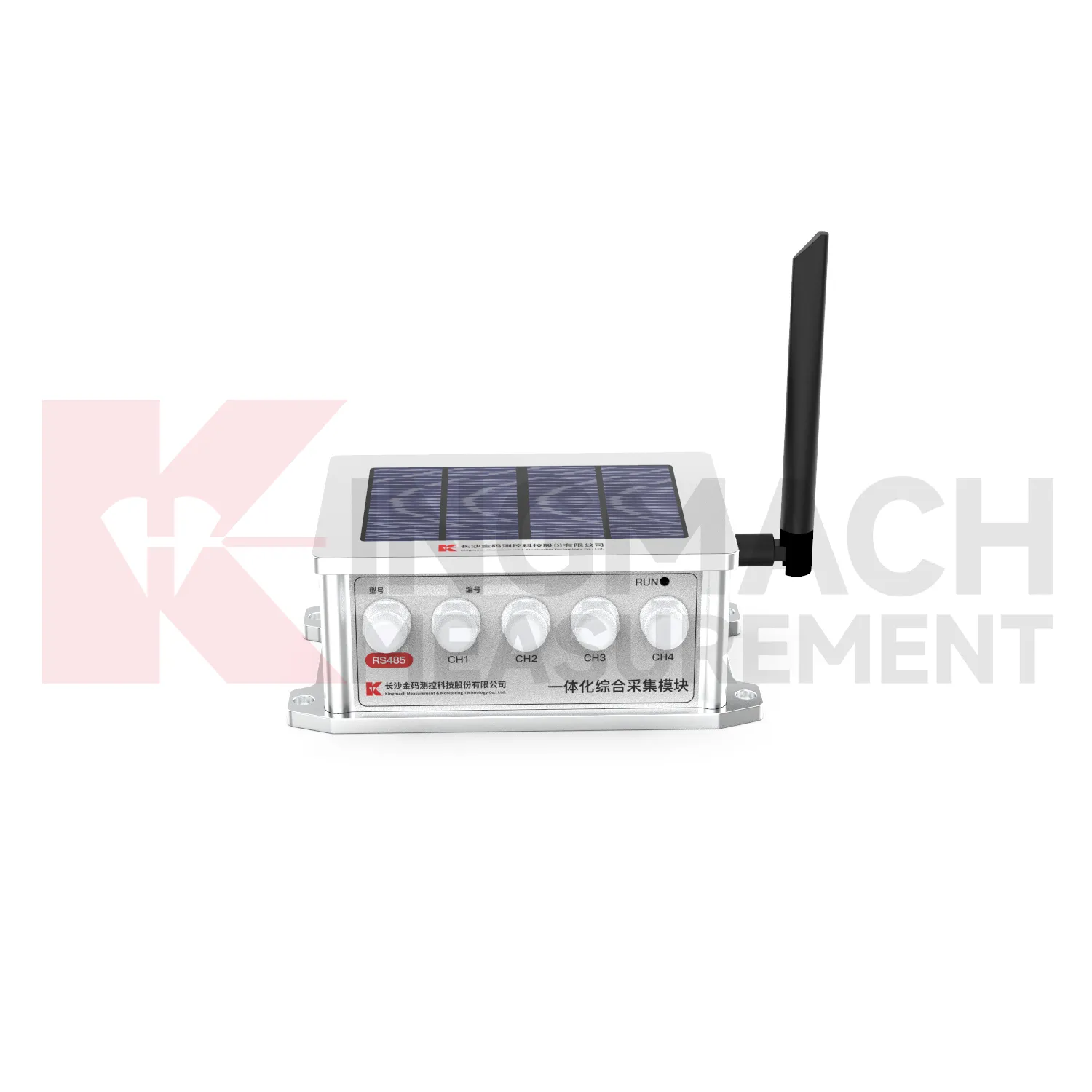
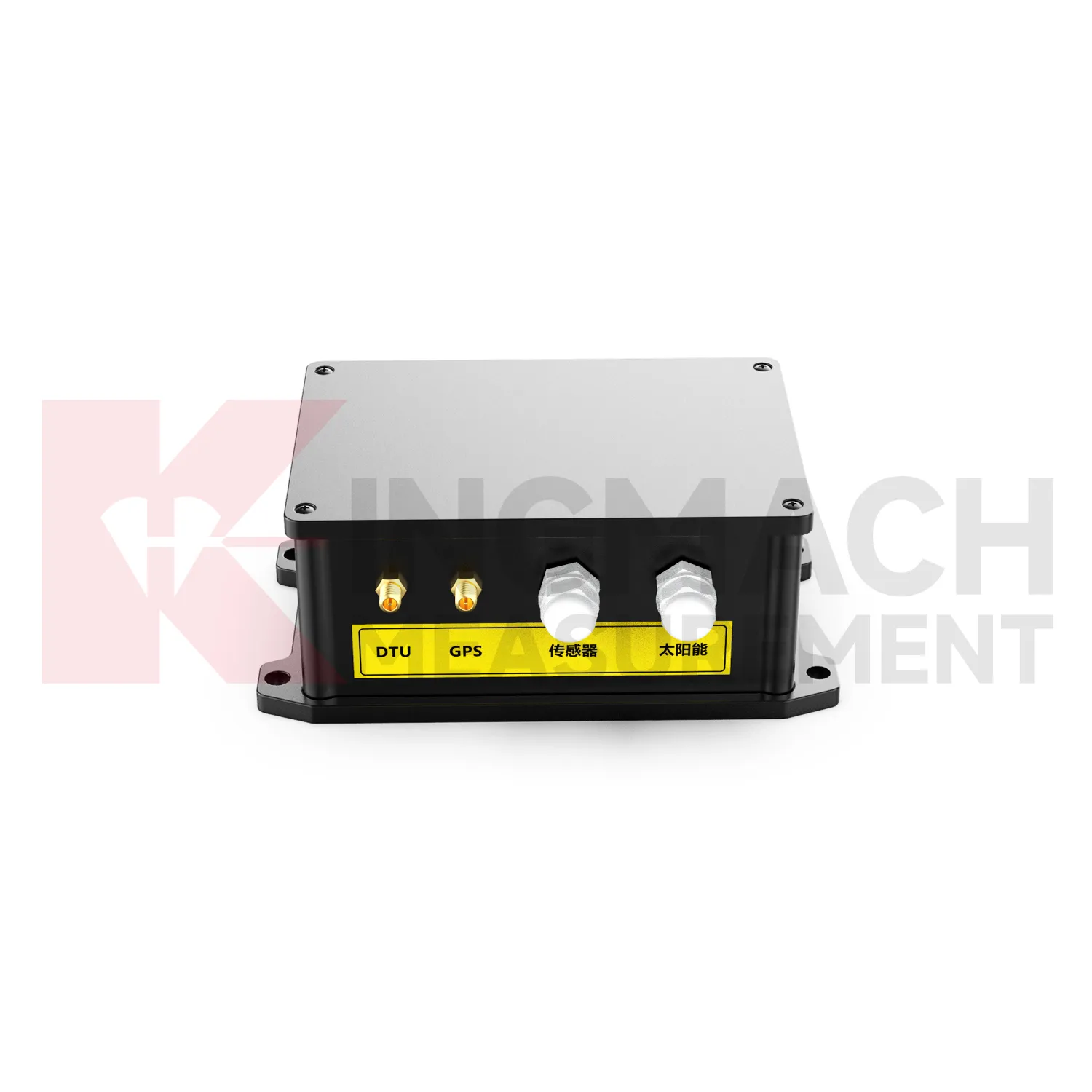
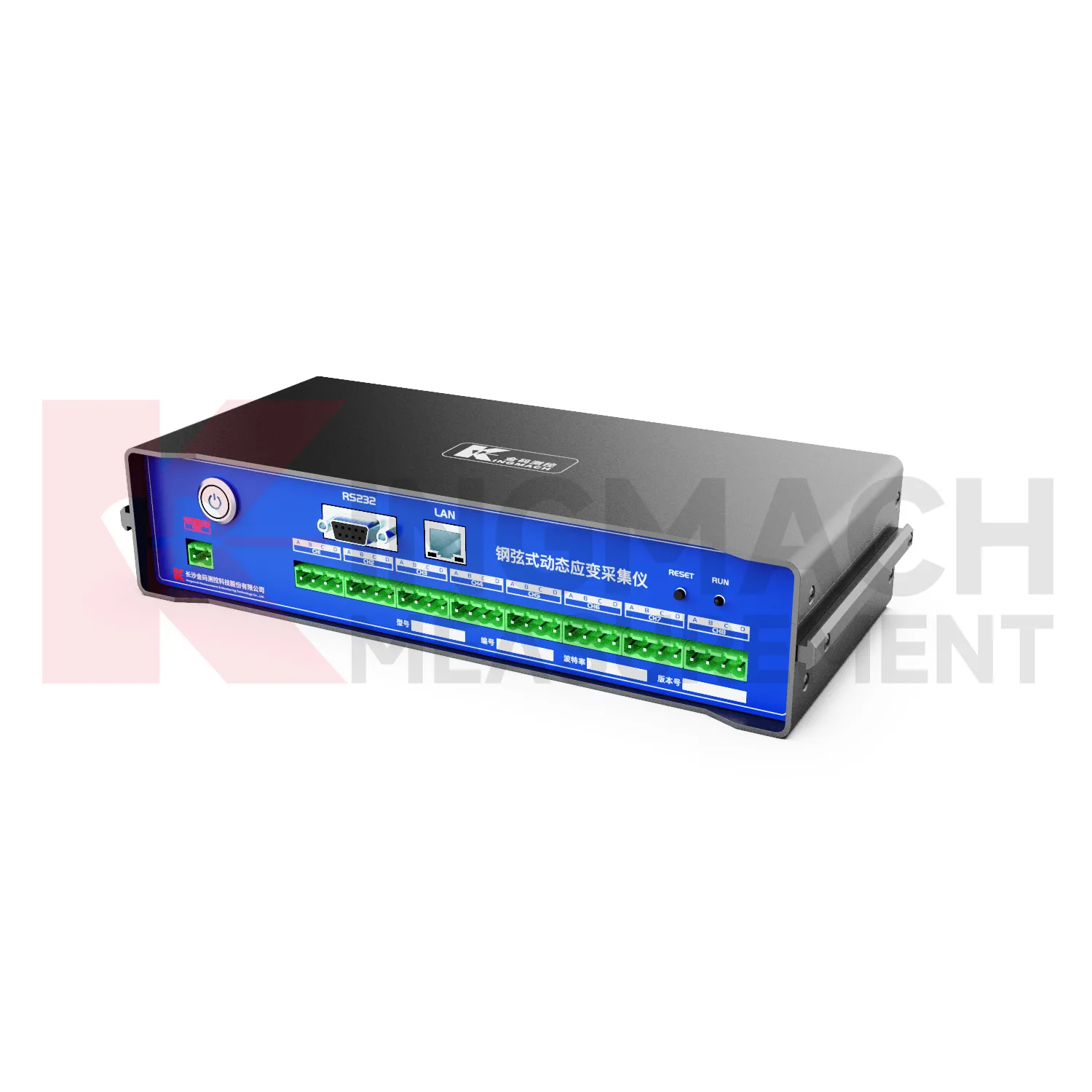
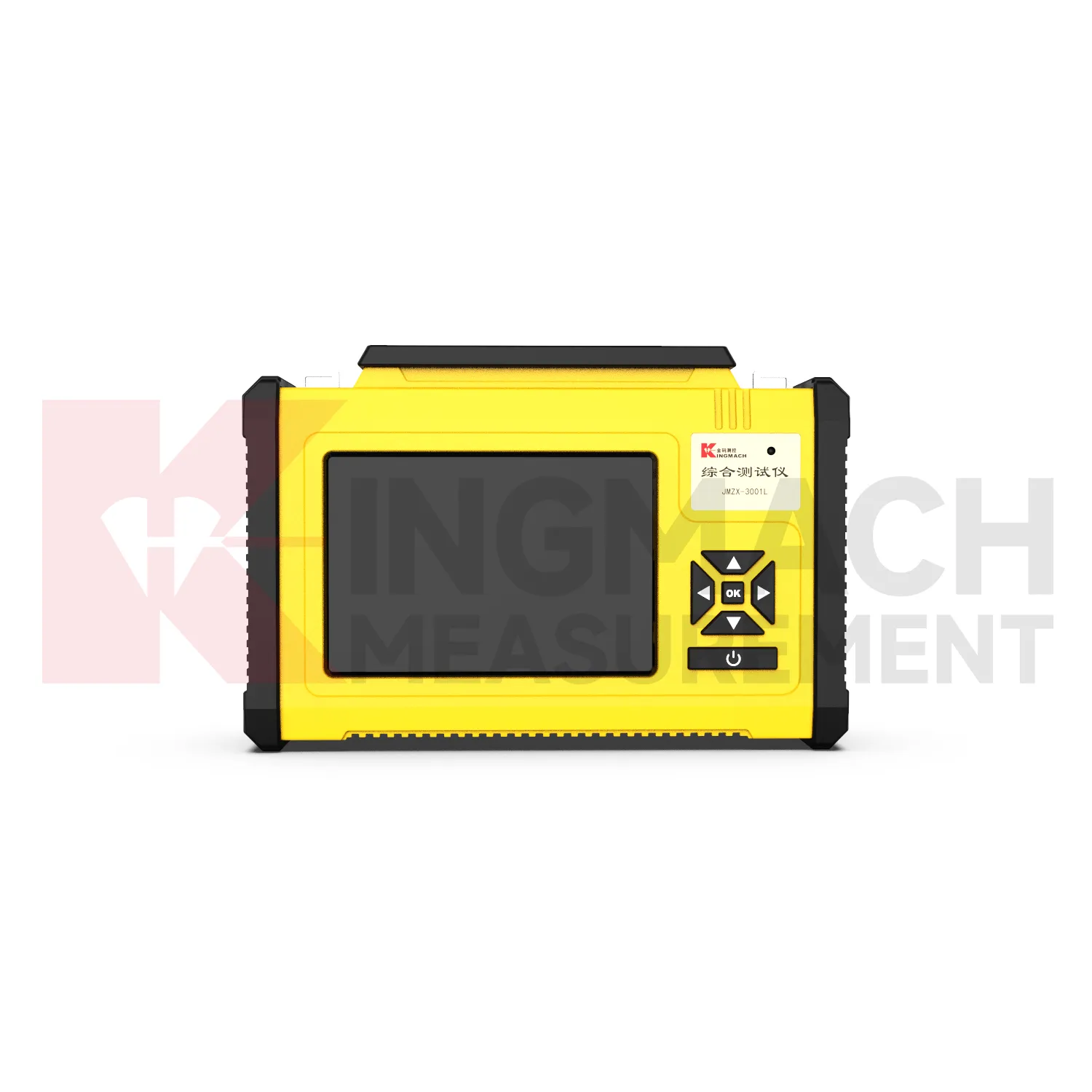
Application of signal acquisition and actuation module
Building and wind tower monitoring uses Kingmach signal acquisition and actuation module when motion, strain, tilt, temperature, and environmental records must be connected to operating conditions. A portable dynamic acquisition readout can support vibration testing, equipment influence checks, or temporary event capture. Automatic data loggers can collect long-term records for structural response, construction effect, or maintenance review. In tall structures, wind, temperature, occupancy, equipment start-up, and nearby construction can all affect measured behavior. The acquisition record should therefore include event time, sensor position, channel identity, and related site notes. This helps engineers distinguish normal response from a pattern that deserves inspection. Wind tower and building projects also need records that connect structural response with weather and operating events. A vibration trace during high wind, a tilt change after equipment installation, or a strain change during construction work should be stored with the condition that caused it. Clear station names, floor levels, tower sections, and event notes help reviewers compare repeated behavior over time. This makes the acquisition device part of structural interpretation rather than a simple storage box. It also supports maintenance review when owners need to compare tower response, building equipment effects, and temporary construction influence across different operating periods. during engineering review.
The future of signal acquisition and actuation module
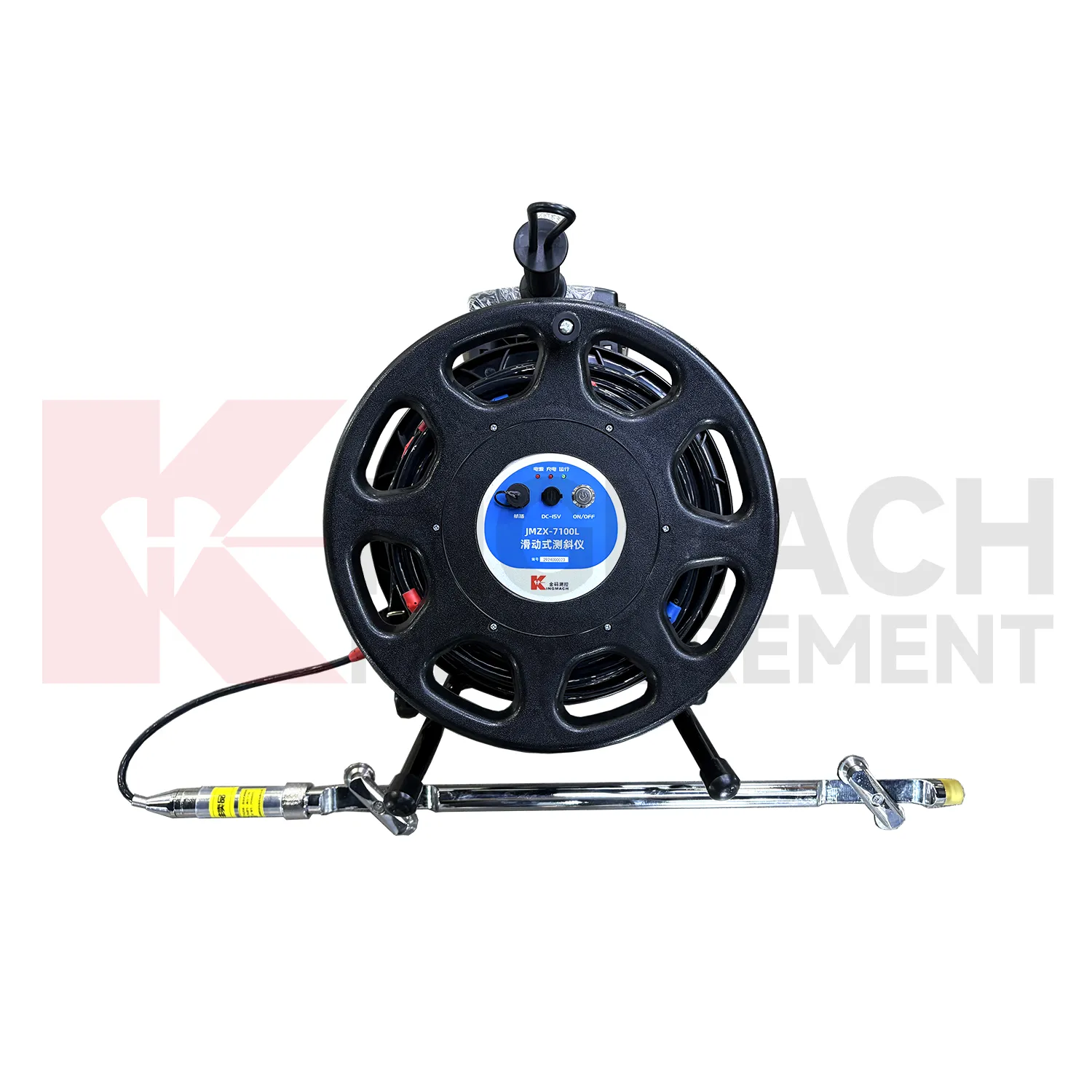
Future Kingmach signal acquisition and actuation module will support cleaner integration between portable field checks and automatic data logging. A technician may verify a sensor with a handheld readout, then connect the same point to a logger for routine acquisition. The future workflow should keep these records aligned through consistent channel names, sensor identities, time stamps, and handover notes. This helps owners compare first values, commissioning checks, maintenance readings, and automatic trends without rebuilding the record manually. Better continuity will reduce confusion when projects move from installation to long-term operation. Future systems can also keep the first verified reading beside the later automatic trend. If a sensor is repaired, replaced, or moved, the handover note can show where the continuity changed. This will help owners understand whether a trend shift came from the monitored structure, the sensor point, or the acquisition setup. This continuity is especially useful when commissioning records must remain comparable with long-term operation data.
Care & Maintenance of signal acquisition and actuation module
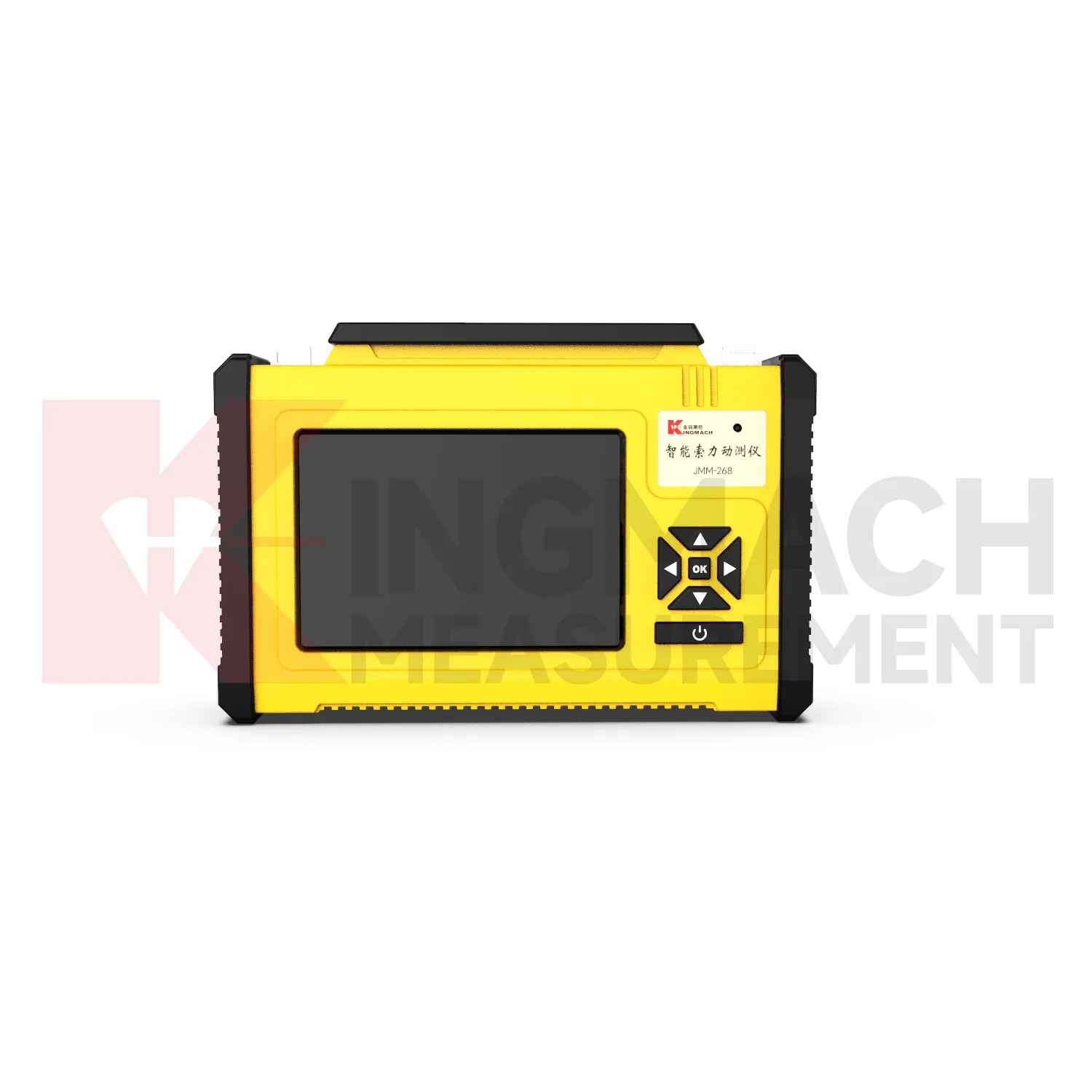
Dynamic acquisition maintenance for Kingmach signal acquisition and actuation module should focus on timing, synchronization, and signal condition. Check channel connections, grounding, sampling settings, event names, trigger rules, and storage capacity before a test. Dynamic records are difficult to repeat when the event is train passage, blasting, impact, or machinery start-up. After the test, save raw data, event notes, sensor positions, and any abnormal site activity. This maintenance discipline helps engineers interpret the waveform and compare repeated events without uncertainty about the acquisition setup. Before the next test, review whether the previous event was captured cleanly. If a channel clipped, drifted, lost connection, or showed unexpected noise, correct the setup before relying on another event. Dynamic maintenance is therefore part of test quality, not only equipment care. The maintenance file should include sampling settings, trigger notes, cable condition, sensor mounting status, and storage location for raw files. These details help engineers repeat the test method later and compare event records under similar conditions.
Kingmach signal acquisition and actuation module
In structural health monitoring, Kingmach signal acquisition and actuation module help turn distributed sensor points into organized evidence. A bridge may use strain, acceleration, temperature, displacement, and cable force records. A slope may use displacement, pore pressure, rainfall, and tilt records. A tunnel may use convergence, settlement, seepage, and vibration records. Each point has a different physical meaning, so the acquisition system must keep data organized by location and purpose. Readouts and loggers support that organization when they preserve channel identity, measurement time, sensor type, and field notes instead of leaving disconnected numbers in separate files. For remote stations, the acquisition interval, upload status, battery condition, enclosure condition, and last maintenance visit should remain visible so unattended monitoring does not become a blind record. For dynamic tests, timing accuracy, event naming, channel synchronization, and signal conditioning help the team compare motion or strain events with construction activity, traffic, wind, or machinery operation. During handover, photos, channel maps, sensor lists, communication settings, and normal baseline examples help the next team continue review without rebuilding the monitoring history from scattered files.
FAQ
Q: What affects data reliability?
A: Power condition, cable connection, enclosure protection, channel labels, sensor compatibility, time settings, storage status, and field notes all affect reliability.
Q: What should be checked after maintenance?
A: Check the affected channel, first stable reading, cable route, device setting, power status, communication status, and whether the maintenance note is attached to the record.
Q: Why keep raw records?
A: Raw records allow engineers to review the original measurement behavior before filtering, summarizing, or comparing values with other site information.
Q: How do dynamic acquisition devices help?
A: They capture short events such as vibration, train passage, impact, blasting, or machinery activity with timing and channel information needed for later review.
Q: How can data gaps be reduced?
A: Use stable power, suitable acquisition intervals, protected enclosures, clear maintenance routines, communication checks, and scheduled data review. The record stays useful when point names, channel labels, sensor type, measurement time, and field condition are kept together, because later reviewers can connect the number with the actual structure and inspection history.
Reviews
Ryan Lewis
Fast delivery and excellent product quality. The accelerometers and tiltmeters are highly reliable. Strongly recommend this company.
Robert Taylor
The weir flow meter is well-built and delivers accurate measurements. Great value for water management applications.
Latest Inquiries
To protect the privacy of our buyers, only public service email domains like Gmail, Yahoo, and MSN will be displayed. Additionally, only a limited portion of the inquiry content will be shown.
Charlotte***@gmail.comUnited Arab Emirates
Hi, we require instrumentation cables suitable for harsh environments. Could you advise on specifica...
Emma***@gmail.comCanada
Dear Sir/Madam, we are interested in displacement transducers and settlement sensors for a geotechni...
Related product categories
- high-speed bus acquisition module
- 8-channel high-speed bus acquisition module
- Dynamic Strain Data logger
- Smart Power Supply Module
- Automated Acquisition Enclosure
- DTU
- wireless data logger
- wireless temperature data logger
- temperature data logger wireless
- temp data logger wireless
- wireless temperature and humidity data logger
- temperature humidity data logger wireless