
 EN
EN
 ar
ar bg
bg hr
hr cs
cs da
da nl
nl fi
fi fr
fr de
de el
el hi
hi it
it ko
ko no
no pl
pl pt
pt ro
ro ru
ru es
es sv
sv tl
tl iw
iw id
id lv
lv lt
lt sr
sr sk
sk sl
sl uk
uk vi
vi et
et hu
hu th
th tr
tr fa
fa ms
ms hy
hy ka
ka ur
ur bn
bn mn
mn ta
ta kk
kk uz
uz ku
ku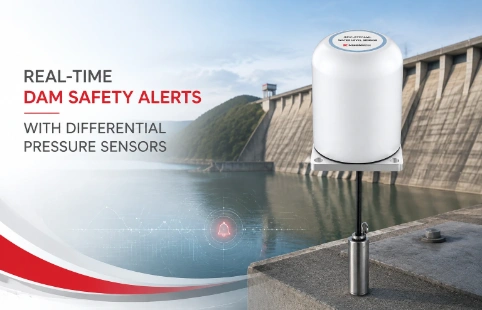
Real-Time Dam Safety Alerts with Differential Pressure Water Level Sensors
Key Takeaways An alert chain needs more than a sensor: define field in...

Optical Deflection Monitor for Structural Health Monitoring
When a tunnel lining shifts by just a few millimeters, the consequences can be serious. That's why engineers rely on instruments like the optical deflection monitor to catch such movements early. Kingmach's optical deflection monitor is built for long-term geotechnical surveillance, providing displacement data from hard-to-reach locations without contact or complex wiring. It's used in dams, tunnels, and tall structures where traditional methods fall short. The device tracks deflection with optical triangulation, unaffected by electromagnetic interference. Its compact design fits into narrow boreholes, and it pairs with common readout units. Kingmach has supplied these monitors to projects where millimeter accuracy mattered, and the feedback has shaped refinements in cable management and mounting accessories. Rather than generic catalog specs, the real value is in how the monitor performs under fluctuating temperatures and humidity—environments that can degrade cheaper alternatives. This instrument isn't just about detection; it's about giving site teams a clear picture of what's slowly moving, so they can schedule maintenance before cracks appear. With a global distribution network, Kingmach also offers customization for specific borehole diameters or data output formats.
Technical Detail
Kingmach positions its optical deflection monitor as a mid-range solution, balancing cost and performance for routine geotechnical monitoring. The instrument uses a collimated light beam—typically infrared or visible red—projected onto a target. A CCD or CMOS sensor captures the spot's position, and onboard processing translates any lateral shift into deflection readings. In practice, that means engineers can detect sub-millimeter movements in a tunnel crown or dam abutment over months. The monitor's accuracy often comes down to optics quality and temperature compensation. Kingmach sources precision lenses and includes an internal reference for thermal drift correction, which helps maintain consistency when ambient conditions swing. Installation is straightforward: the transmitter mounts on what's considered stable, and the target is fixed to the moving structure. Some models accept dual-axis targets for monitoring both vertical and horizontal displacement from a single unit. Beyond the hardware, the company's strength is in tailoring output protocols—whether it's 4-20 mA, RS-485, or proprietary digital links—to match existing SCADA or logger systems. This flexibility saves integration headaches on multi-vendor sites. Kingmach also provides ruggedized housings for corrosive environments, such as coastal dams or chemical tunnels. The global support network means replacement parts and technical advice are accessible without long lead times. For projects that demand a non-contact, electromagnetic-immune deflection measurement tool, this monitor fills a niche that neither total stations nor vibrating wire extensometers quite cover. Historically, feedback from tunnel monitoring programs in soft ground has driven improvements to the mounting brackets, making them easier to align and lock in place. The focus stays on delivering reliable data streams rather than flashy features.
News
Key Takeaways An alert chain needs more than a sensor: define field in...
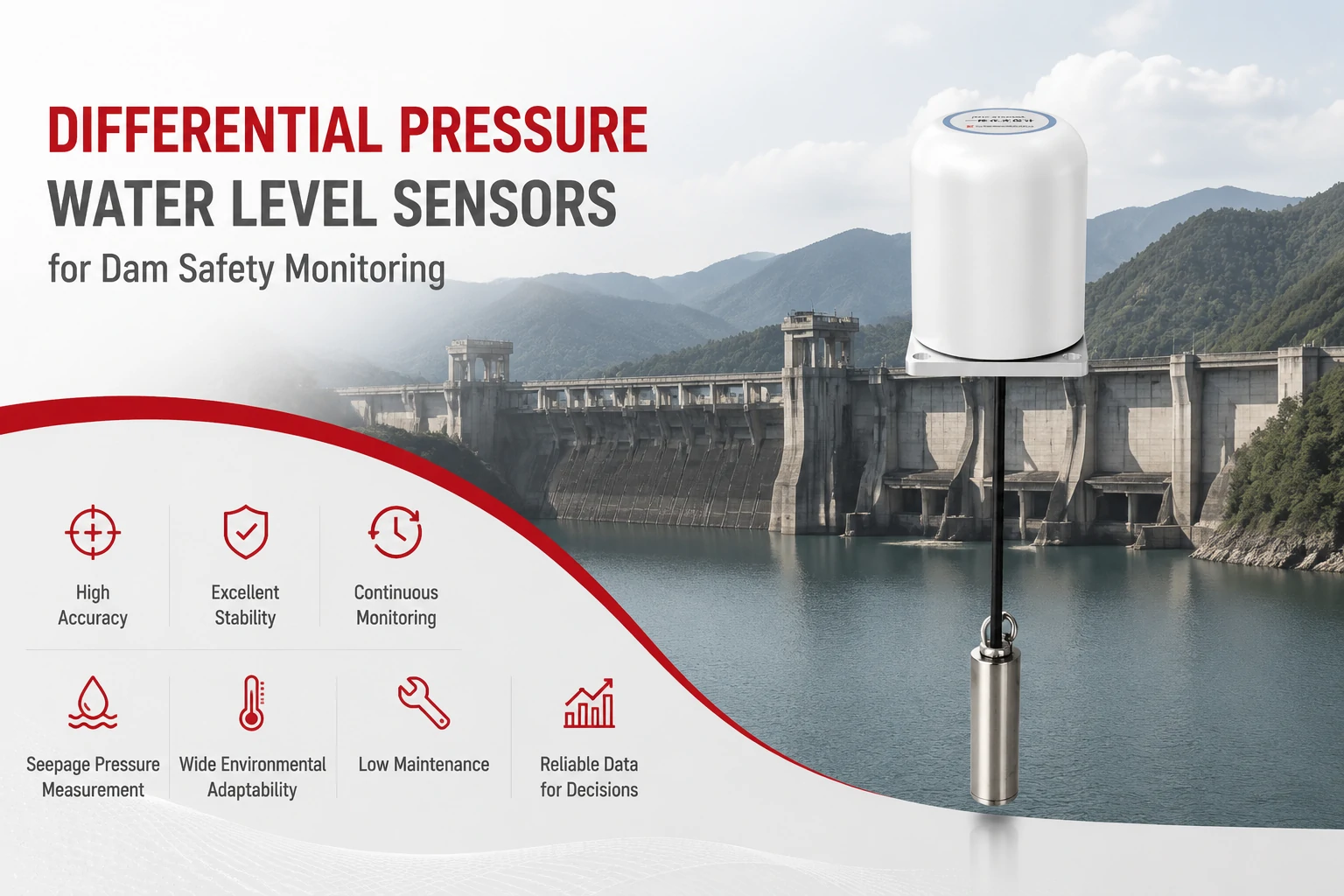
Key Takeaways The strongest fit is usually a confined, submerged, or s...
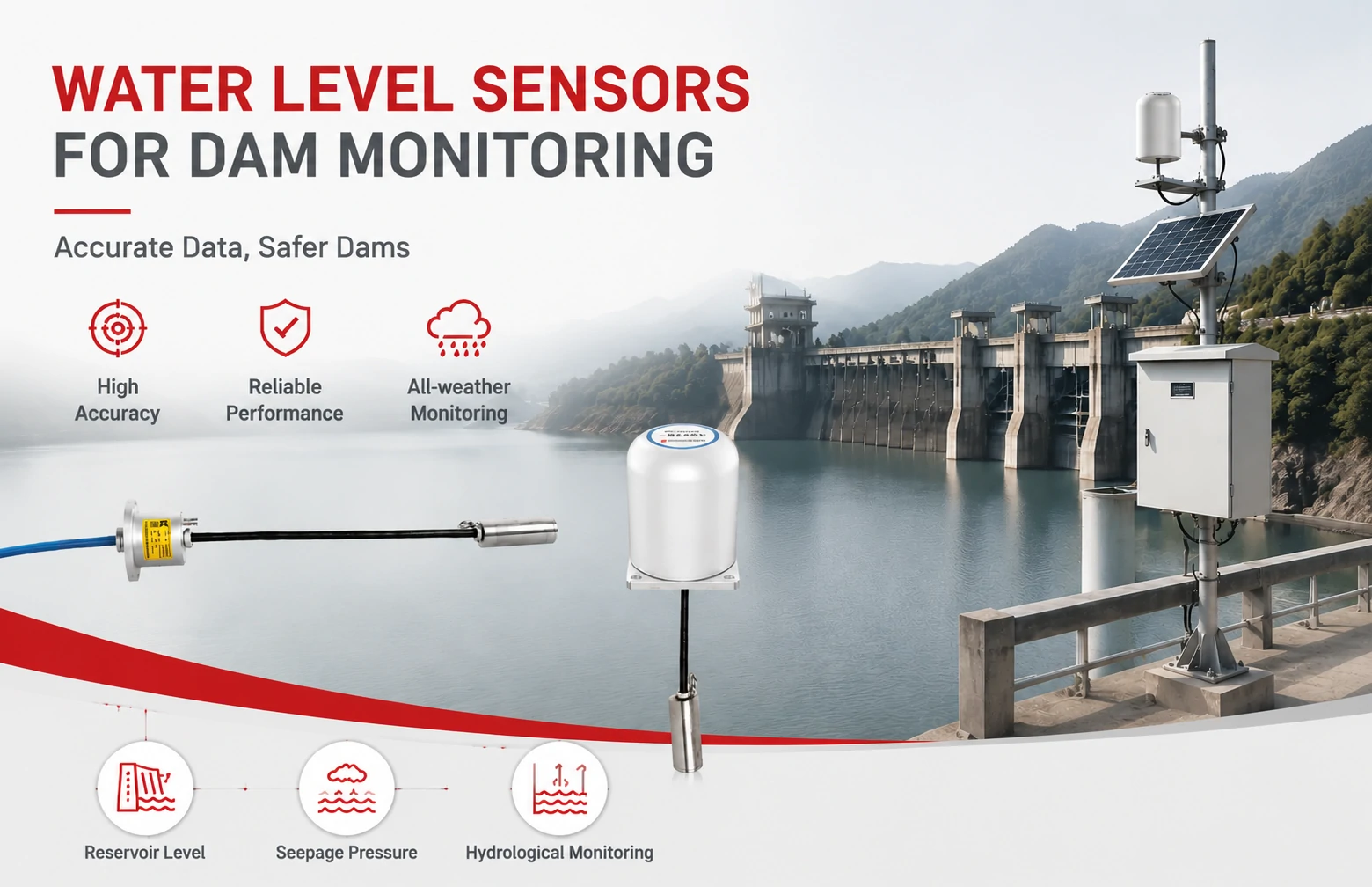
Kingmach Water Level Sensors for Dam Monitoring: A Buyer's Guide to Differential Pre...
Products
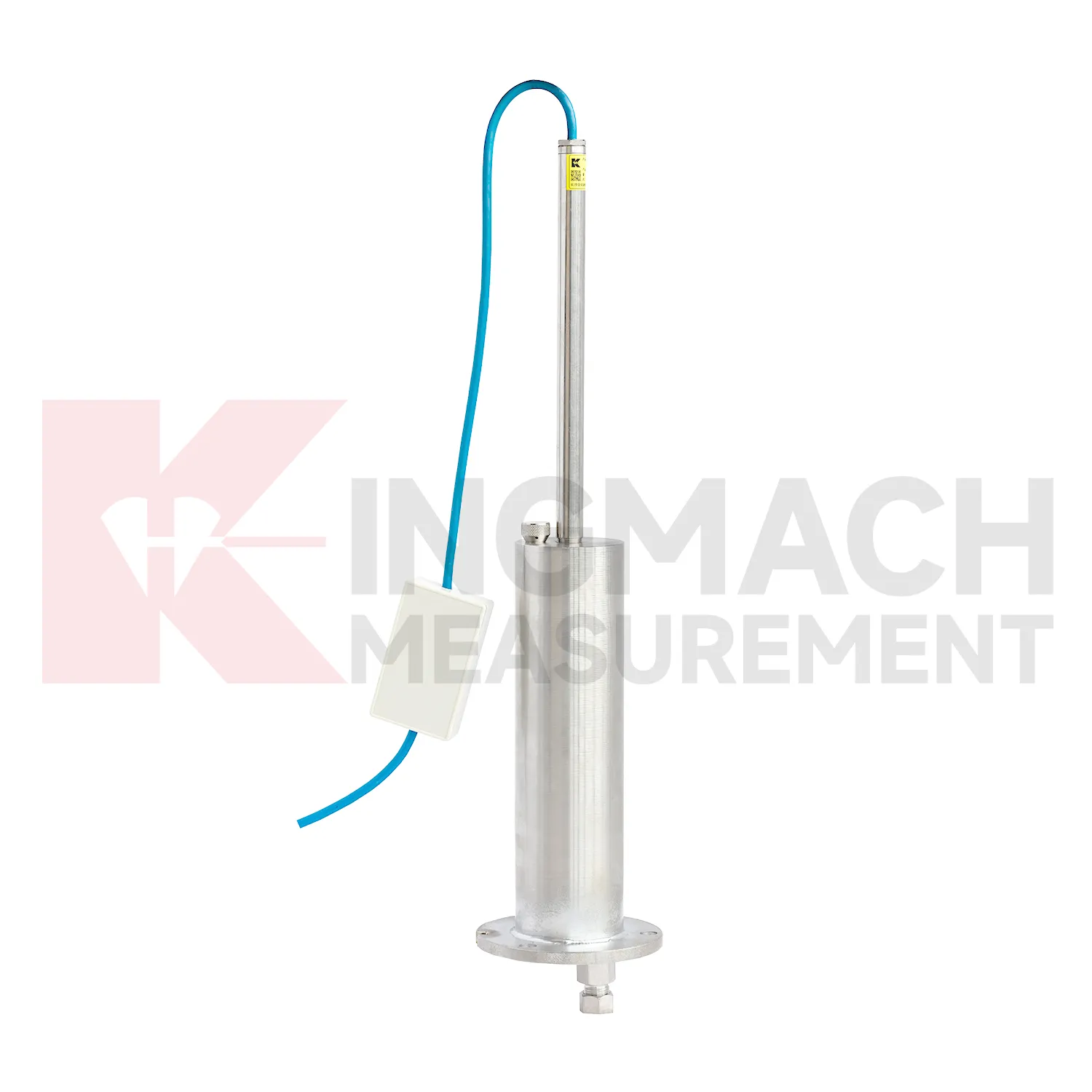
Inductive Frequency-Modulated Hydrostatic Level SensorJMDL-62XXAT、ADT
View Details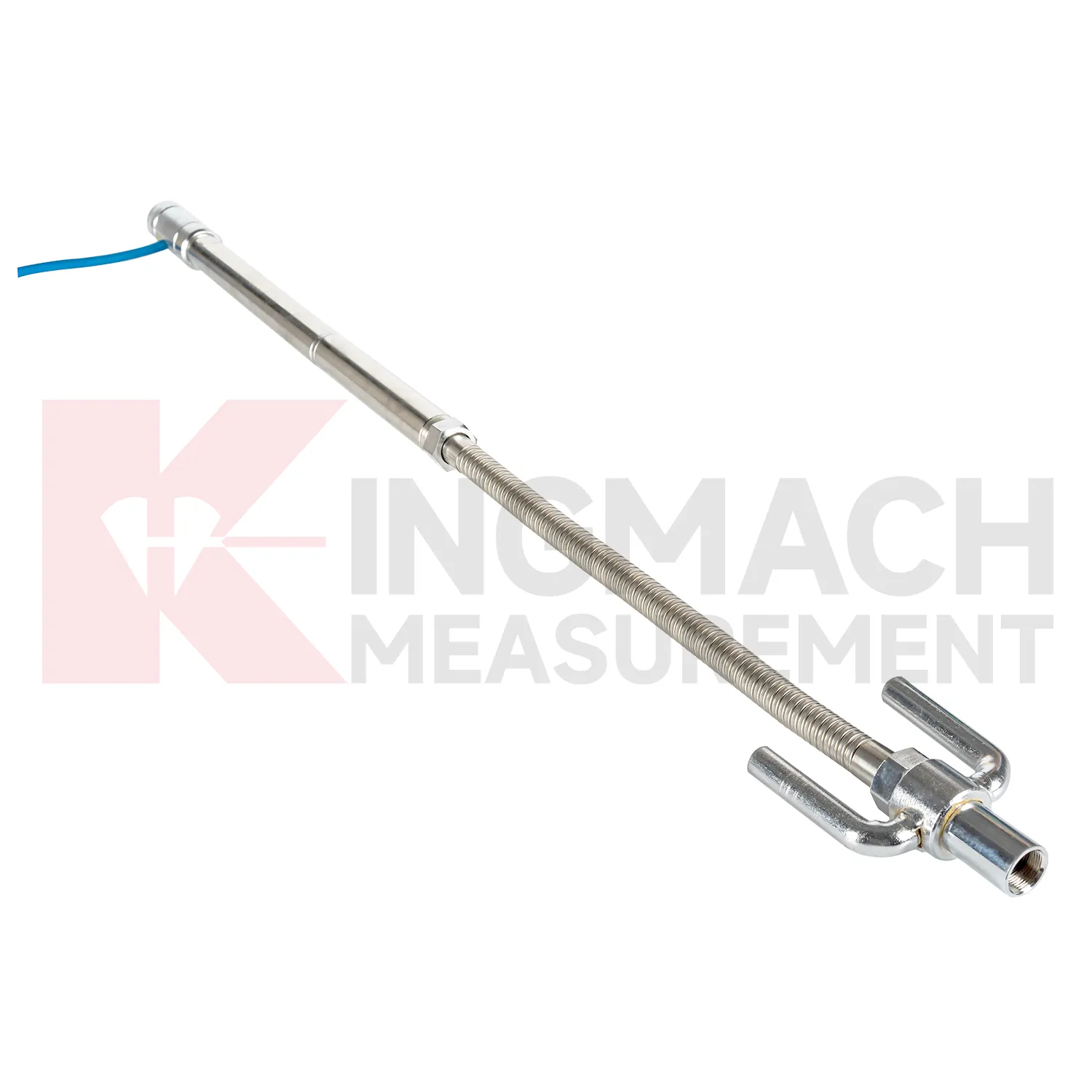
Smart Single-Point Settlement Gauge JMDL-47XXAT
View Details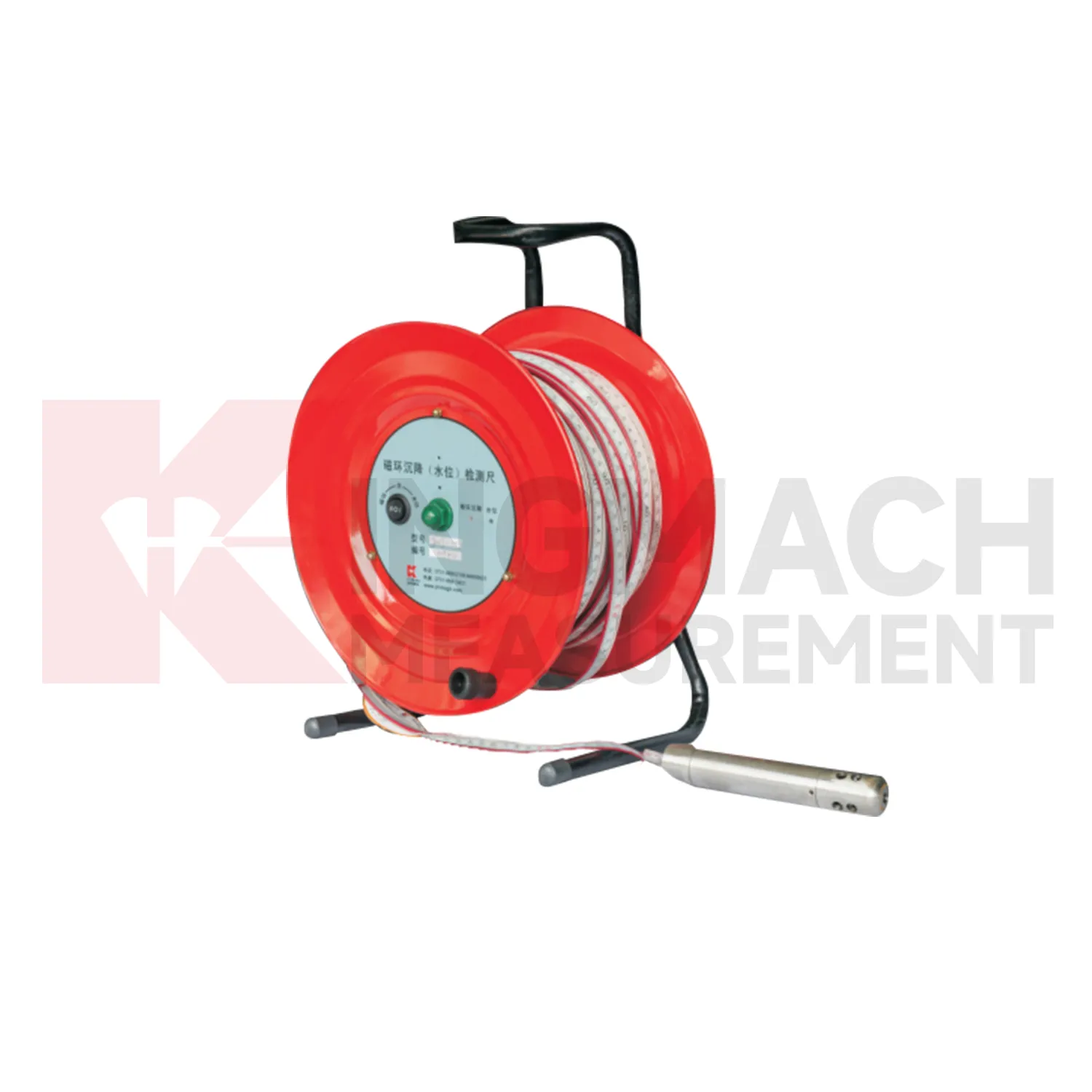
Magnetic Ring Settlement Water Level Gauge JMCJ-1003、1005
View DetailsFAQ
It measures displacement without physical contact, using a light beam. This avoids mechanical wear and is immune to electromagnetic interference, making it suitable near power lines or in explosive atmospheres where electrical sensors may be restricted.
Typical systems achieve better than ±0.1 mm over a range of a few meters, but actual performance depends on installation quality and environmental conditions. We can advise on achievable accuracy for your specific setup.
The standard housing is IP65-rated, so it handles rain and high humidity. For fully submerged applications, we offer a custom pressure-tight enclosure—contact us with your requirements.
Output options include analog (4-20 mA) and digital (RS-485). We can work with your team to match the signal interface or even develop a custom protocol if the order volume justifies it.
The main task is keeping the optical window clean. We supply wiper attachments for dusty sites. Other than that, recalibration may be needed every two years, depending on the measurement drift you can accept.
Share your product type, target capacity, and application requirements. Our team can review the details and recommend a practical next step.
If you are interested in our products or want to become our partner.
Please leave your contact information, our team will contact you as soon as possible.
Mail: [email protected]
Contact Us: +8613808434127
Address: No. 188 Tongzipo West Rd, Changsha, Hunan, China