
 EN
EN
 ar
ar bg
bg hr
hr cs
cs da
da nl
nl fi
fi fr
fr de
de el
el hi
hi it
it ko
ko no
no pl
pl pt
pt ro
ro ru
ru es
es sv
sv tl
tl iw
iw id
id lv
lv lt
lt sr
sr sk
sk sl
sl uk
uk vi
vi et
et hu
hu th
th tr
tr fa
fa ms
ms hy
hy ka
ka ur
ur bn
bn mn
mn ta
ta kk
kk uz
uz ku
ku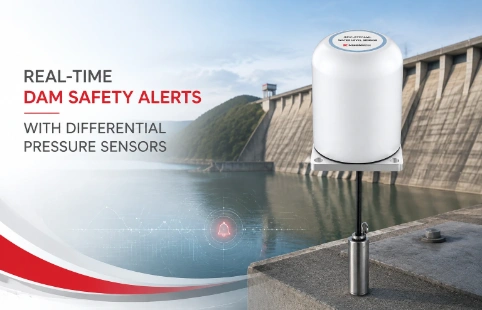
Real-Time Dam Safety Alerts with Differential Pressure Water Level Sensors
Key Takeaways An alert chain needs more than a sensor: define field in...

Acquisition Module for Geotechnical Data Logging
When a monitoring project demands consistent data from multiple sensors spread across a site, the hardware that collects and digitizes those signals matters more than the sensors themselves in some ways. Kingmach makes acquisition modules that take the raw output from vibrating wire, resistive, or other geotechnical sensors and turn it into a clean digital stream. No inflated claims about being the best—just units that have been used in enough projects to prove they can sit in a hot, dusty enclosure for months without drifting. The main idea is simple: keep the signal path short, the channel count flexible, and the output compatible with the software most engineers already use. We configure modules with the channel types you need, set up triggering and logging intervals, and sometimes tweak the enclosure to fit a crowded panel. If you are still at the planning stage, asking about an acquisition module often leads to other useful discussions about cabling, power, and data transport.
Technical Detail
Kingmach acquisition modules are part of a wider range of geotechnical instruments, so they are designed to fit into a monitoring network without forcing you to adopt a closed ecosystem. The modules accept inputs from vibrating wire sensors, potentiometers, strain gauges, thermistors, and other common field devices. Channel counts vary by model—you tell us whether you need 4, 8, or 16 channels, and we build unit that way. One thing that gets asked about is protection. The standard enclosures are rated for outdoor use with basic sealing and venting, but if you need it to survive a monsoon or a dusty winter in a tunnel, we add extra gaskets and possibly a desiccant pack. Data output is typically via RS-485 or Ethernet, with a few models supporting cellular or satellite links through a companion modem. Power can come from a 12 V battery or solar setup; the electronics run on very little current so that remote sites can stay live for months. We include a simple ASCII protocol and a Modbus mapping, which makes it straightforward to integrate with commercial data loggers or SCADA systems. Customization is where we spend more time than most suppliers. For example, you might want a module that triggers a camera when a tiltmeter passes a threshold—we can add that logic in firmware. Technical support after the sale includes help with wiring diagrams and field commissioning, and we keep spares for the parts that tend to fail first, like surge protection components. Our approach is to keep the module boringly reliable, because excitement in monitoring usually means something broke.
News
Key Takeaways An alert chain needs more than a sensor: define field in...
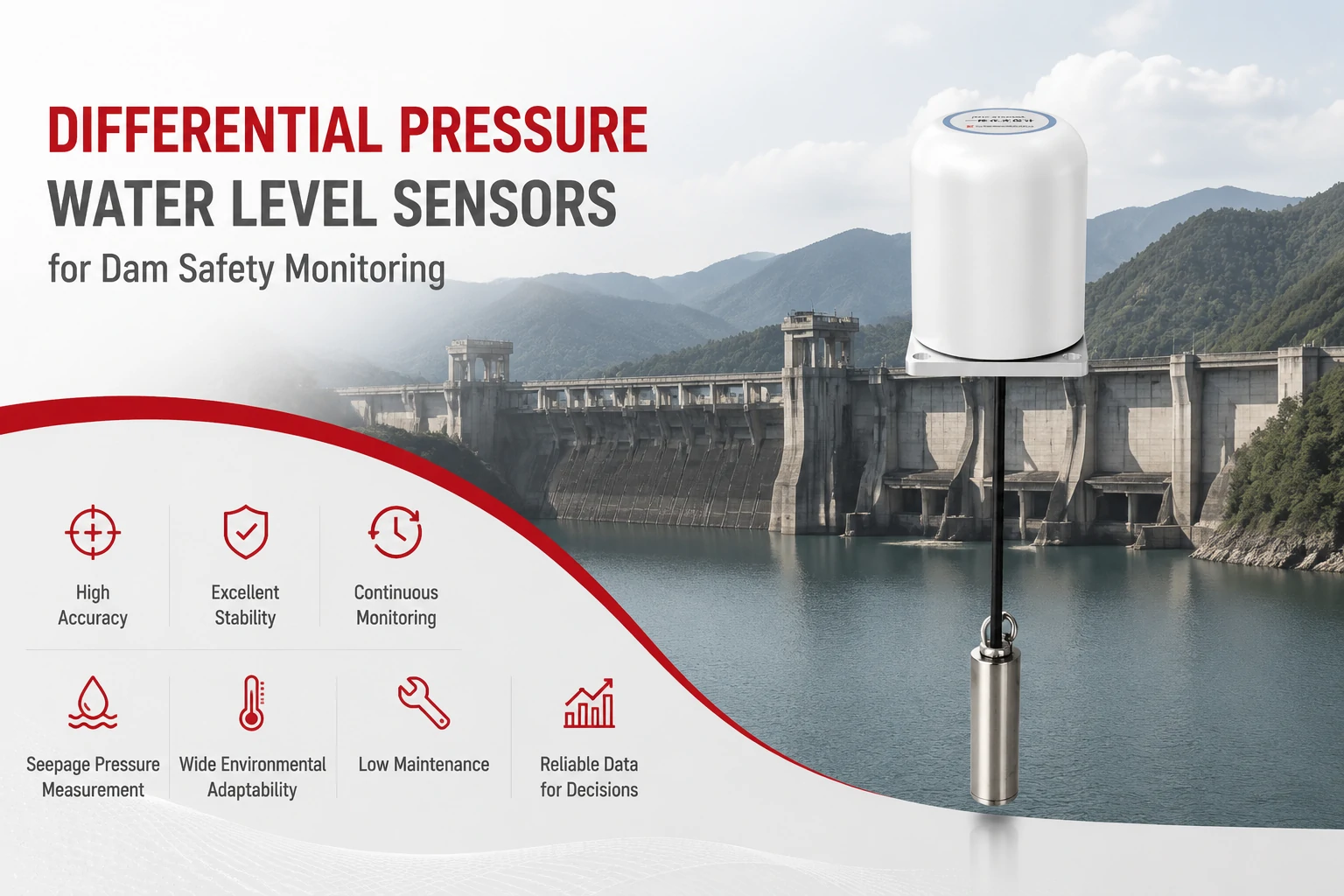
Key Takeaways The strongest fit is usually a confined, submerged, or s...
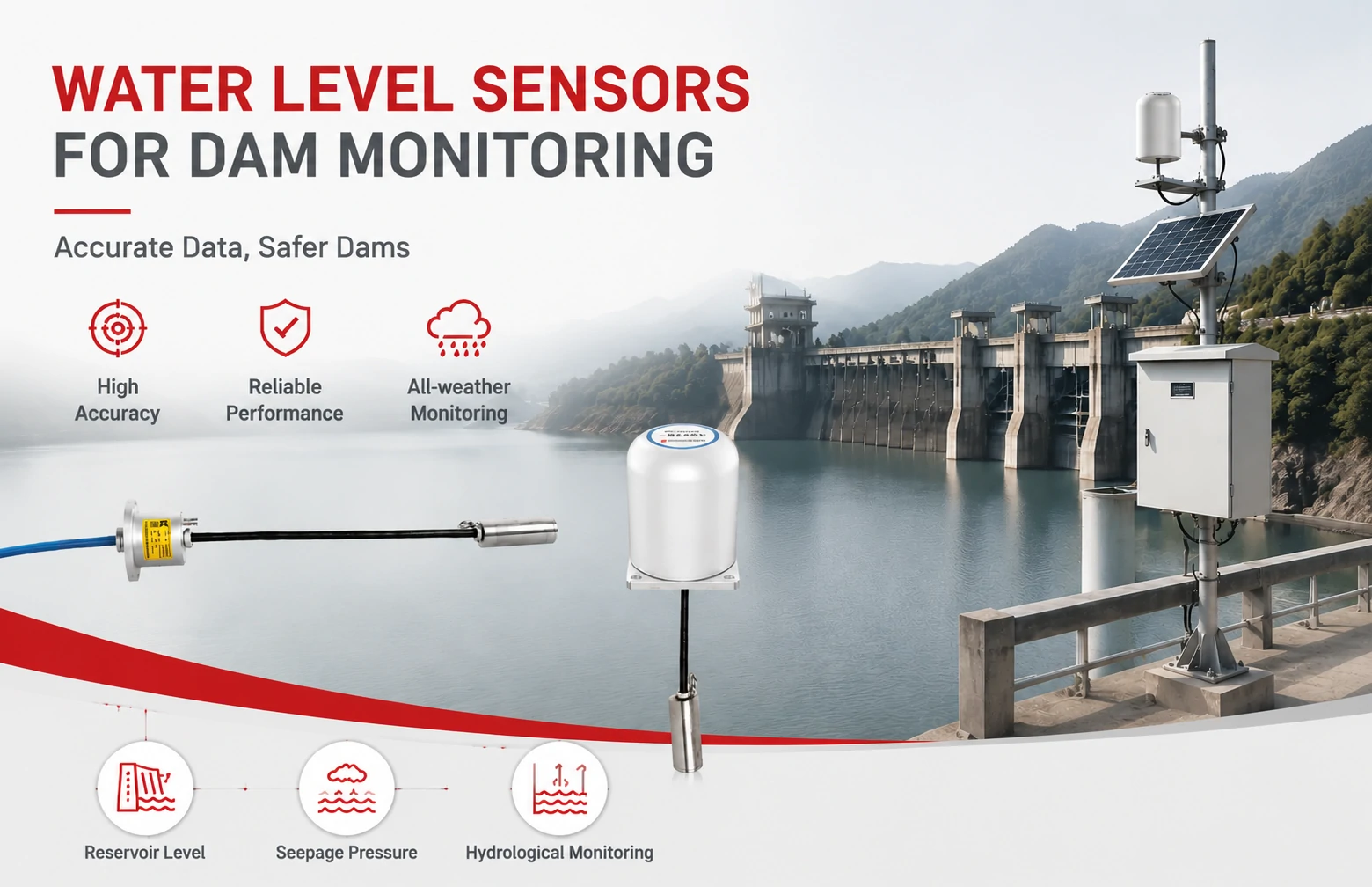
Kingmach Water Level Sensors for Dam Monitoring: A Buyer's Guide to Differential Pre...
Products
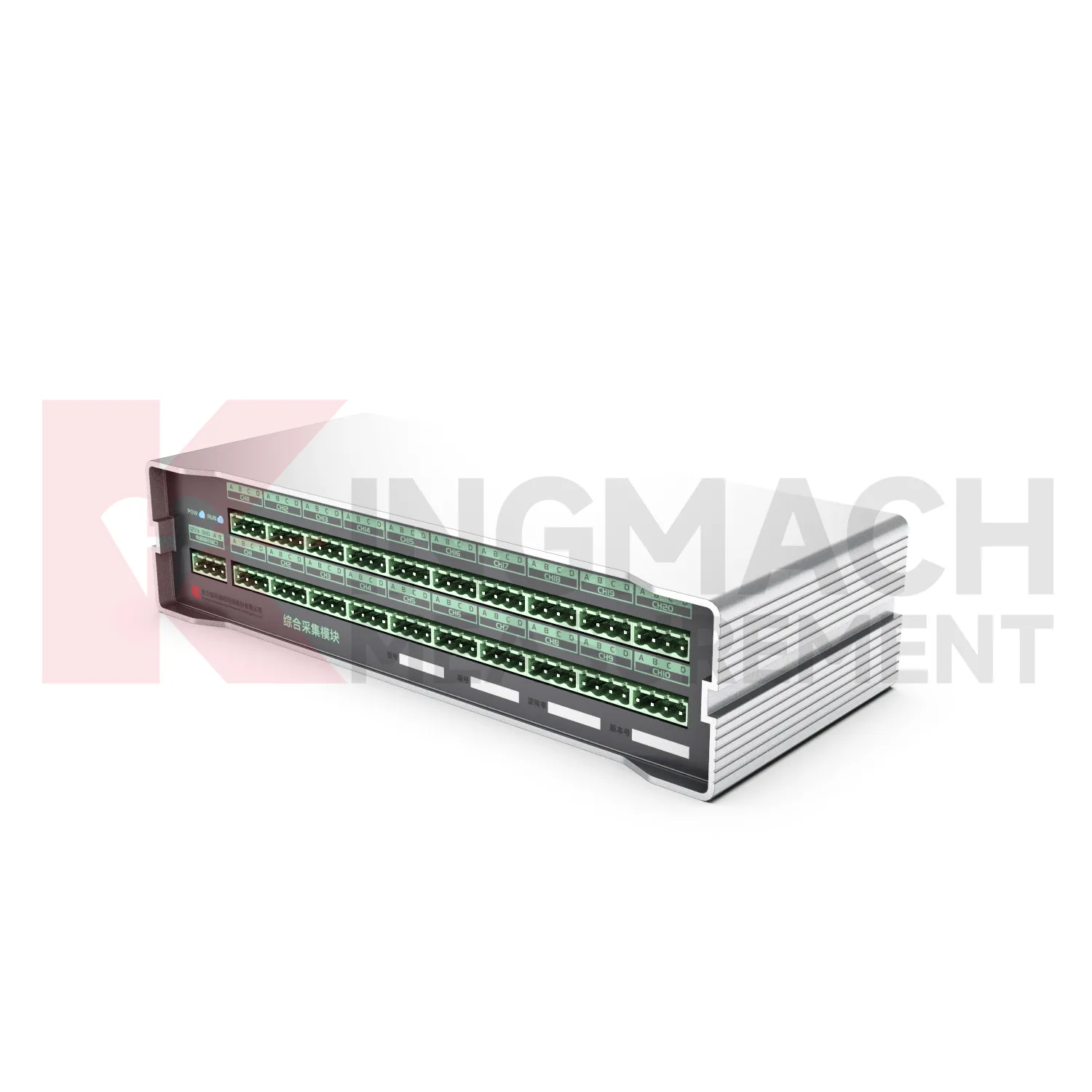
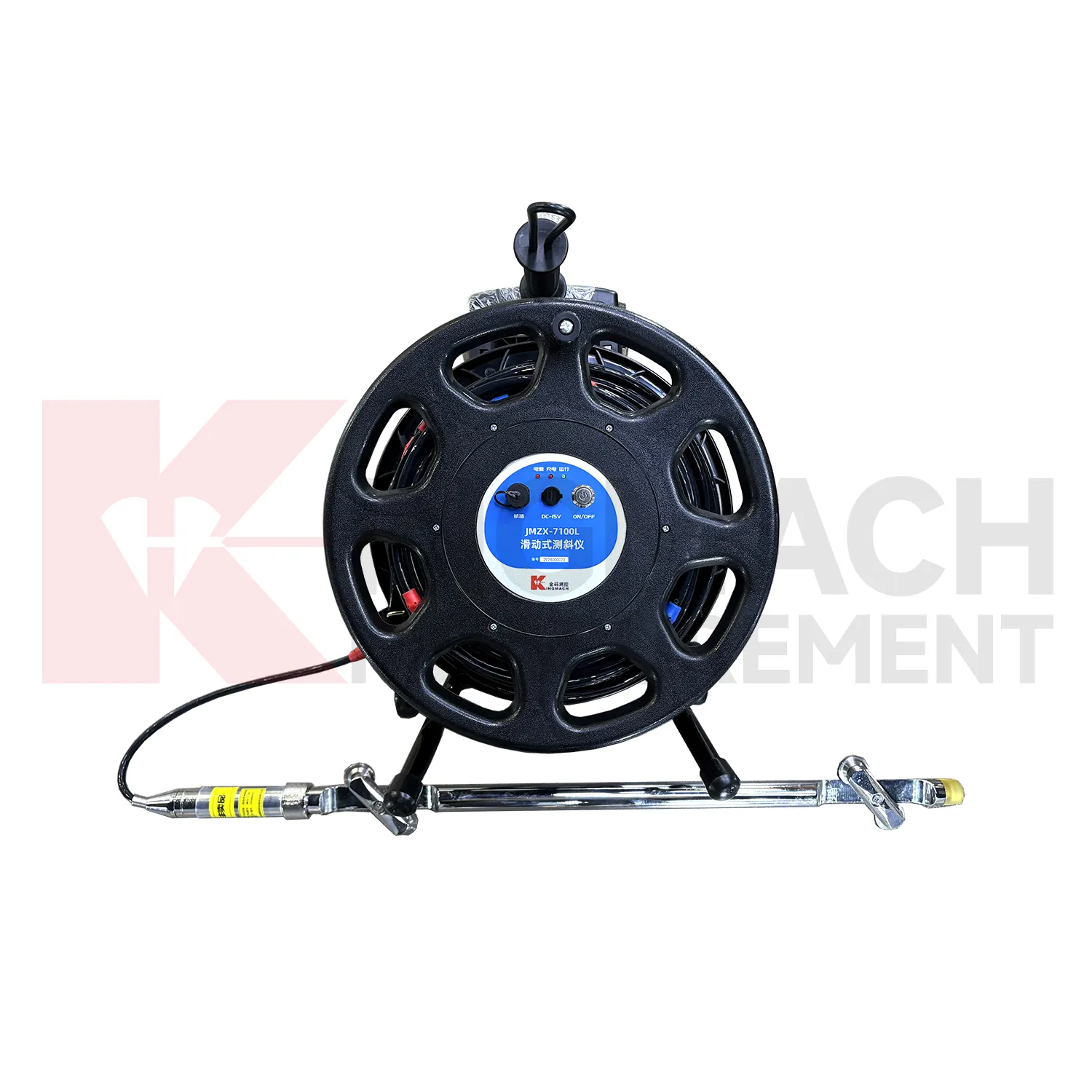
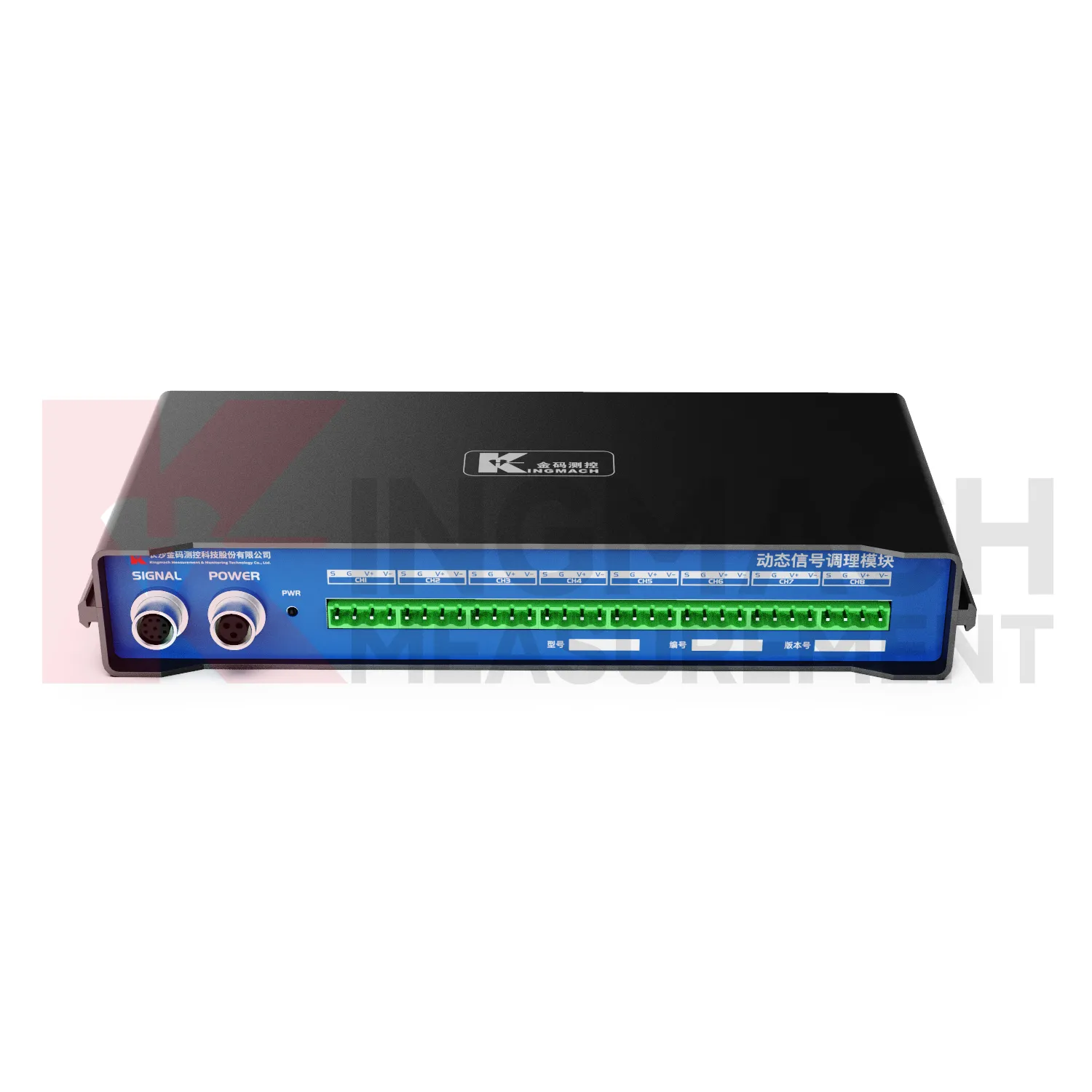
Dynamic signal conditioning moduleJMYD-2008XTA
View DetailsFAQ
Most of our modules accept vibrating wire, strain gauge, potentiometer, thermistor, and 4-20 mA inputs. You specify the mix when ordering, and we configure the channels accordingly. If the sensor puts out a small voltage or resistance change, it usually works. For anything unusual, we can look at the datasheet together and adapt the front-end.
The basic models give you an RS-485 or Ethernet port. You can connect that to a local datalogger or a cellular router. We also have modules with an integrated modem option if you prefer one box. The protocol is either a simple ASCII string or Modbus RTU, so you can push data into pretty much any SCADA or cloud platform.
Yes, that is a big part of what we do. You might need a module with 12 vibrating wire channels and two digital I/O for triggering. Or you want the unit to calculate a weighted average across several sensors. We usually ask for a one-page description and then quote the NRE and lead time. Most custom logic is done in firmware, so it does not add weeks to the schedule.
Standard enclosures are rated IP65. Inside you have conformally coated circuit boards, so humidity and light condensation are not a problem. For corrosive environments or very wet conditions, we offer a higher IP rating with better gaskets and a breather vent. Temperature-wise, the electronics work from -20°C to 60°C, and we can stretch that with heating or cooling on request.
We usually start with a call or an email where you describe the sensors, the site, and how you currently collect data. We then suggest a module configuration and share the communication protocol document. You can test integration with a simulator before the hardware ships. After deployment, we can remotely check the setup if you provide a network path.
Share your product type, target capacity, and application requirements. Our team can review the details and recommend a practical next step.
If you are interested in our products or want to become our partner.
Please leave your contact information, our team will contact you as soon as possible.
Mail: [email protected]
Contact Us: +8613808434127
Address: No. 188 Tongzipo West Rd, Changsha, Hunan, China