
 EN
EN
 ar
ar bg
bg hr
hr cs
cs da
da nl
nl fi
fi fr
fr de
de el
el hi
hi it
it ko
ko no
no pl
pl pt
pt ro
ro ru
ru es
es sv
sv tl
tl iw
iw id
id lv
lv lt
lt sr
sr sk
sk sl
sl uk
uk vi
vi et
et hu
hu th
th tr
tr fa
fa ms
ms hy
hy ka
ka ur
ur bn
bn mn
mn ta
ta kk
kk uz
uz ku
ku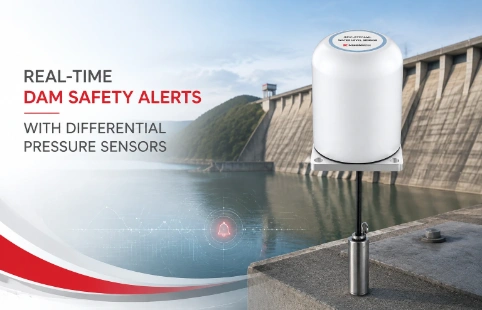
Real-Time Dam Safety Alerts with Differential Pressure Water Level Sensors
Key Takeaways An alert chain needs more than a sensor: define field in...

Load Cell Market Trends Shaping Geotechnical Monitoring
Choosing load cells for geotechnical work means reading the market right. Prices and specs vary widely, but mid-range instruments often hit the mark for daily monitoring. Kingmach builds load cells that fit this space—no inflated claims, just functional design. We started by asking what engineers actually need in the field: sensors that survive rough handling, calibrations that hold, and data that stays consistent. That’s where the load cell market is heading: away from lab-grade fragility and toward robust, field-ready tools. Over the years, we’ve expanded our range to cover everything from anchor force monitoring to deep excavation loads. Many suppliers push the highest accuracy, but most projects need dependable, cost-effective sensors that can be ordered without long lead times. Our load cells fill that gap, and we back them with technical support that speaks your language, not just a manual.
Technical Detail
Kingmach operates in the mid-tier load cell market, providing instruments that balance performance and budget. Our load cells are used in slope stability, tunnel lining, and foundation monitoring. We build vibrating wire and strain gauge types, covering capacities from small anchor loads to large structural forces. What sets us apart is the range—we have over 20 standard models, but customization for odd-sized boreholes or specific cable lengths is standard practice. Instead of forcing users into expensive universal loggers, our load cells work with most readout units on the market. We maintain a global distribution network, so local support is available regardless of project location. Technical teams often work through installation challenges with customers directly, which reduces downtime on site. The load cell market has shifted toward data integration, so we offer digital output options alongside analog. For long-term monitoring, our sensors are built with stainless steel housings and potting compounds that resist moisture ingress. This practical approach has kept engineers coming back for repeated projects.
News
Key Takeaways An alert chain needs more than a sensor: define field in...
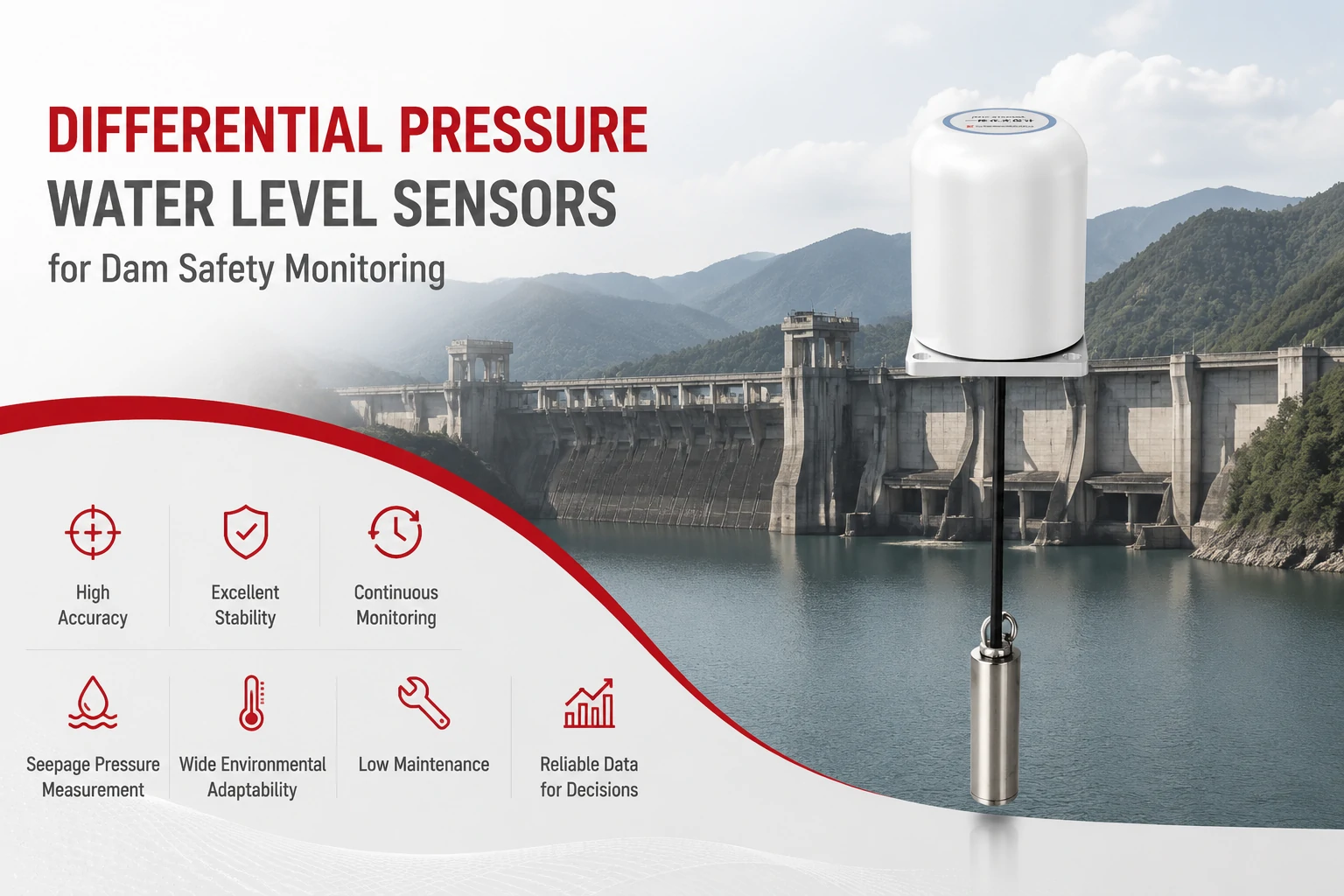
Key Takeaways The strongest fit is usually a confined, submerged, or s...
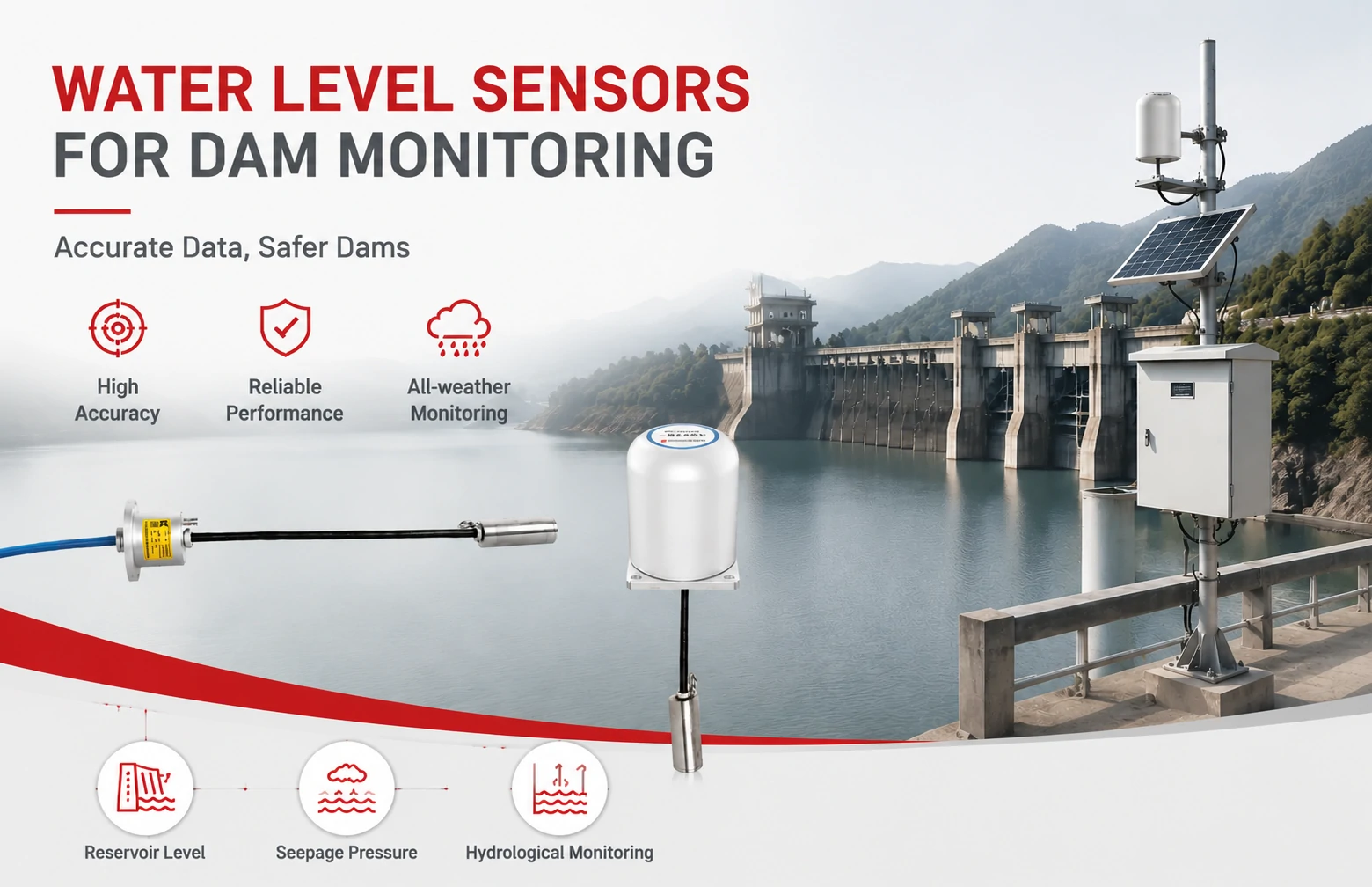
Kingmach Water Level Sensors for Dam Monitoring: A Buyer's Guide to Differential Pre...
Products
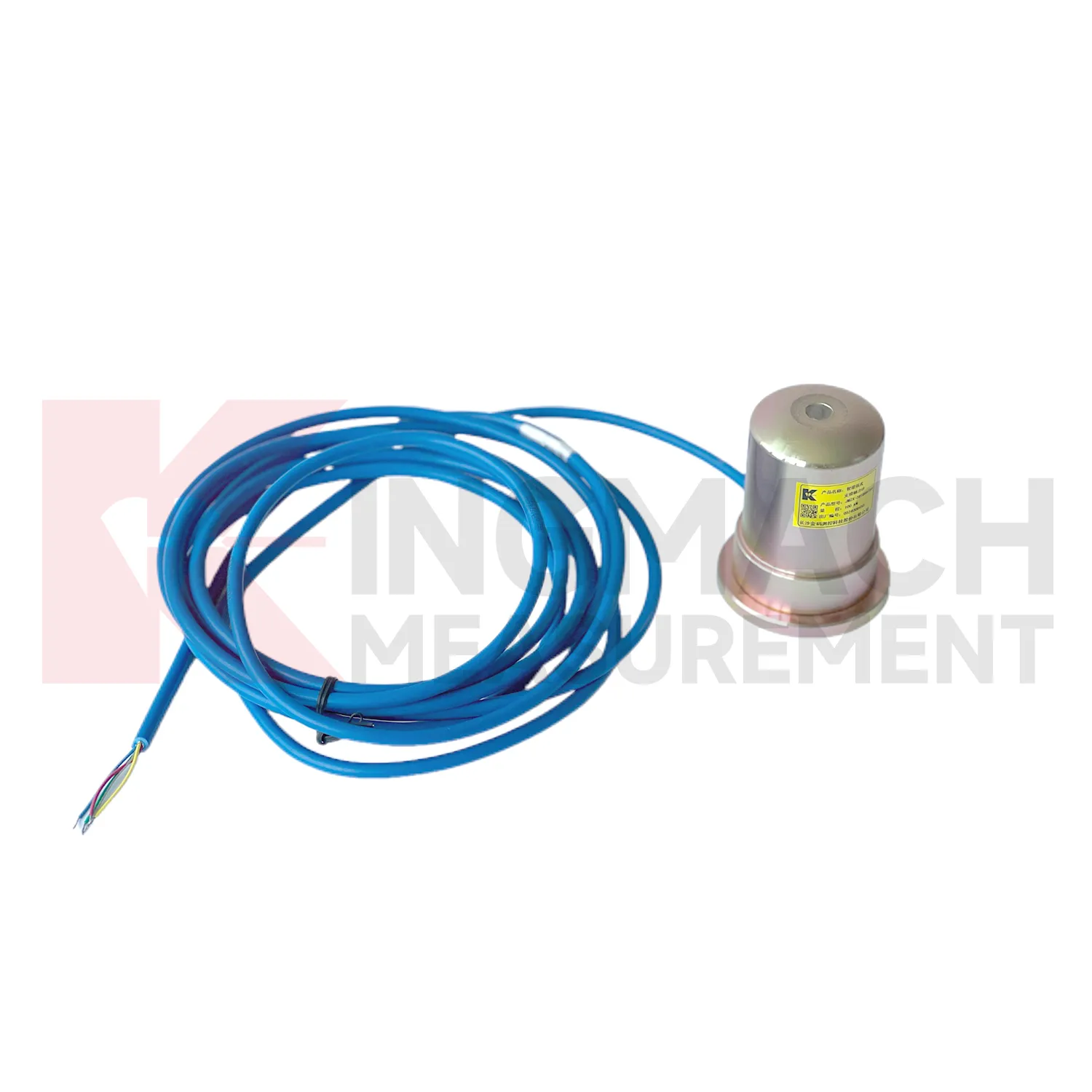
Smart Formwork Axial Force Meter(VW)JMZX-39XXHAT
View Details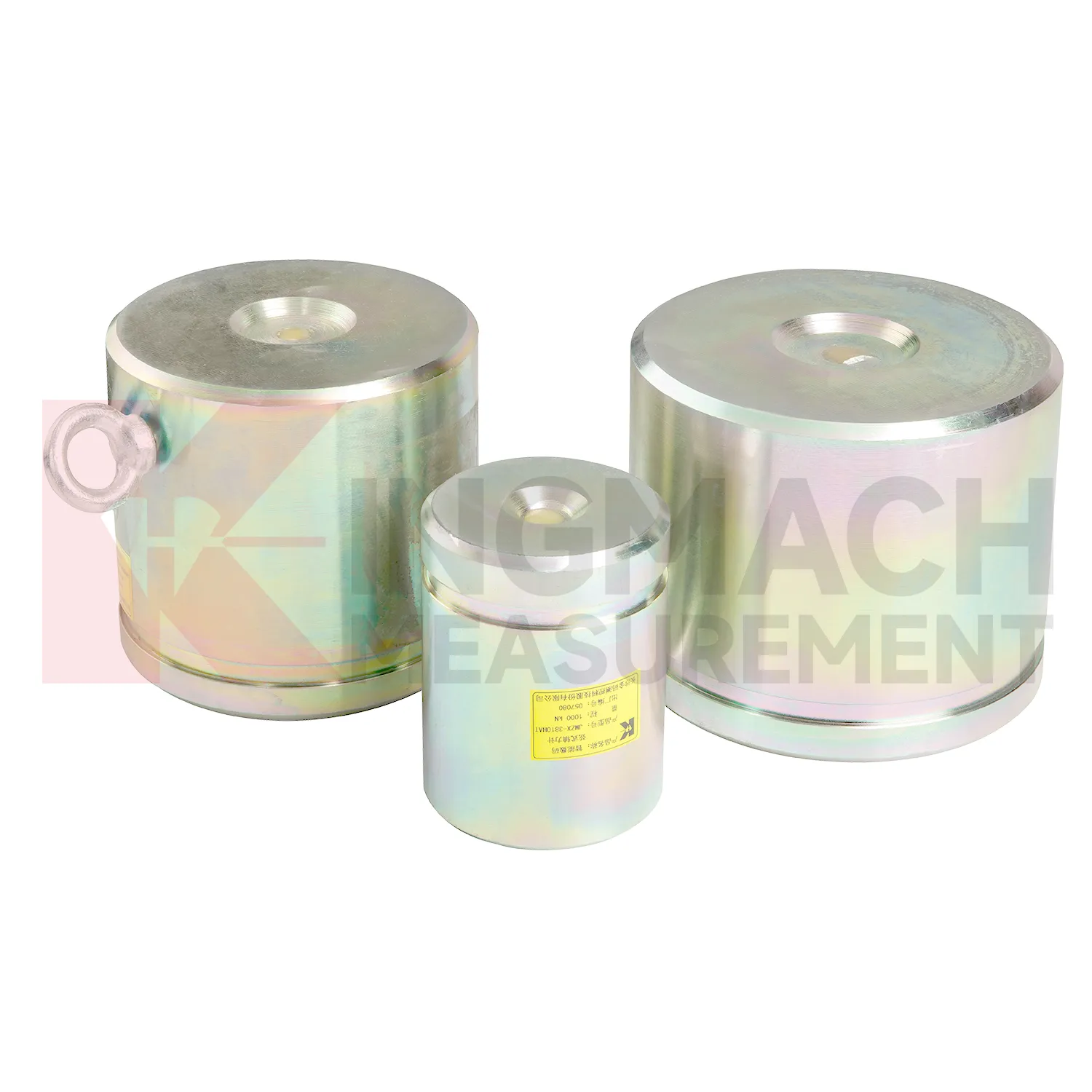
Axial Force Load Meter ( VW & Smart Type)JMZX-38XXHAT
View Details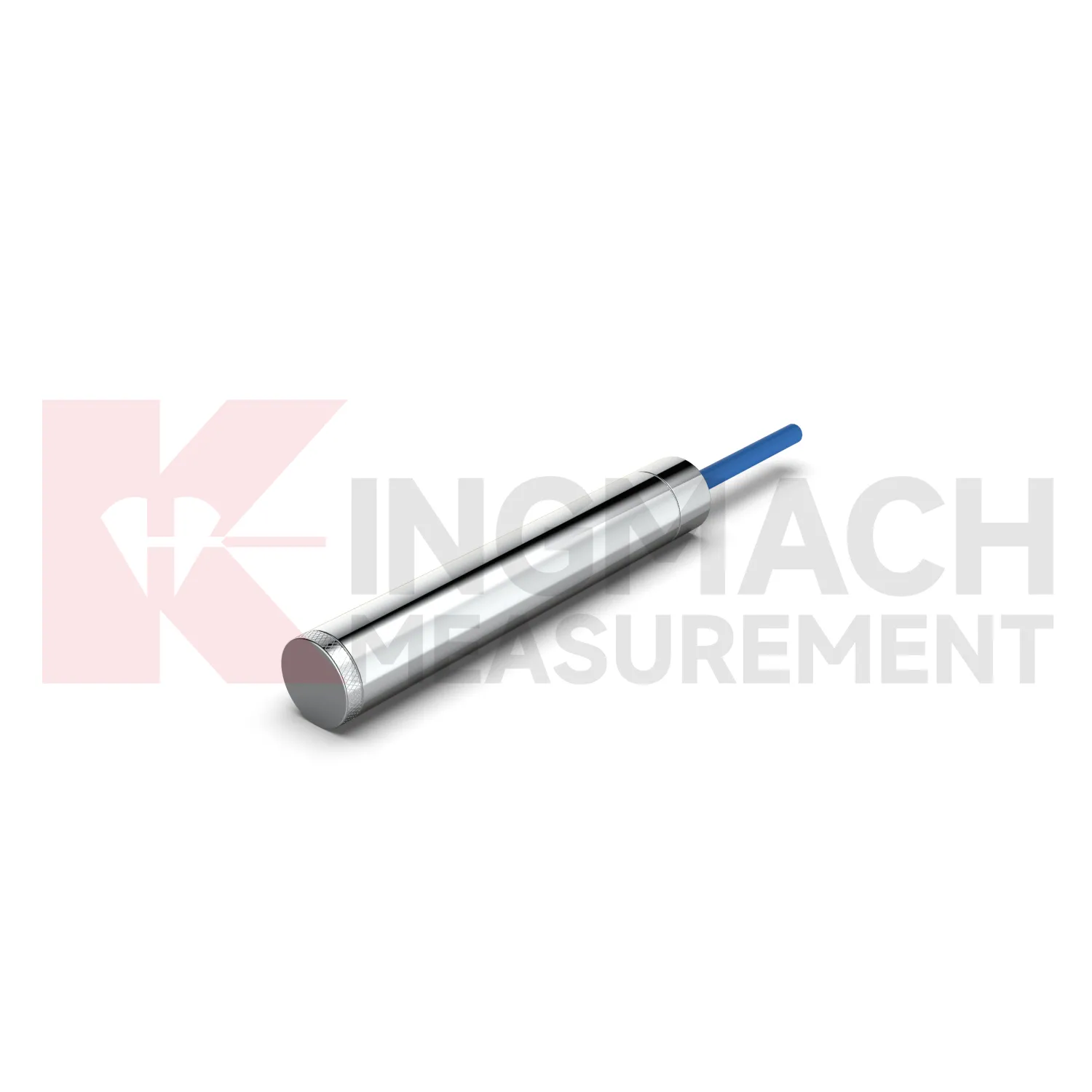
Smart Vibrating Wire PiezometerSmart Piezometers (VW) JMZX-55XXHAT
View DetailsFAQ
First, check the design load of each anchor. Then add a buffer—usually 20–30% above the maximum expected load, so the load cell doesn’t max out during stressing. We can suggest a few models once you share the tendon type and working load.
Yes, we offer models with integrated wireless nodes. They transmit data to a gateway on site. The range is about 500 meters in open terrain, but we can discuss options if you’re working in a deep excavation.
Standard warranty is two years against manufacturing defects. We also offer extended service plans that include annual recalibration checks, which help in projects where documentation is critical.
Our vibrating wire sensors work with any logger that supports standard VW interfaces. If you’re using a specific datataker model, we can confirm the wiring and setup, and even provide terminal diagrams.
Share your product type, target capacity, and application requirements. Our team can review the details and recommend a practical next step.
If you are interested in our products or want to become our partner.
Please leave your contact information, our team will contact you as soon as possible.
Mail: [email protected]
Contact Us: +8613808434127
Address: No. 188 Tongzipo West Rd, Changsha, Hunan, China