
 EN
EN
 ar
ar bg
bg hr
hr cs
cs da
da nl
nl fi
fi fr
fr de
de el
el hi
hi it
it ko
ko no
no pl
pl pt
pt ro
ro ru
ru es
es sv
sv tl
tl iw
iw id
id lv
lv lt
lt sr
sr sk
sk sl
sl uk
uk vi
vi et
et hu
hu th
th tr
tr fa
fa ms
ms hy
hy ka
ka ur
ur bn
bn mn
mn ta
ta kk
kk uz
uz ku
ku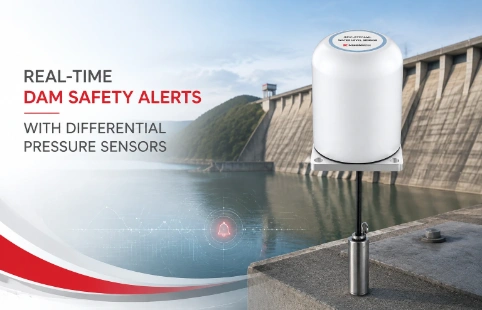
Real-Time Dam Safety Alerts with Differential Pressure Water Level Sensors
Key Takeaways An alert chain needs more than a sensor: define field in...

Resistance Temperature Detector Sensors for Geotechnical Use
Erroneous temperature readings can skew a dam's safety assessment. In geotechnical engineering monitoring, resistance temperature detector (RTD) sensors are not optional – they are the basis for ensuring that data such as stresses and displacements are meaningful. Kingmach designs and manufactures RTD sensors for this specific scenario. Our sensors are used with inclinometers, sedimentation meters, etc. to provide a core temperature compensated signal rather than a stand-alone thermometer. This integrated approach reduces wiring work and improves long-term stability. We understand that project environments vary widely – from -40°C in permafrost regions to high temperatures in geothermal exploration. Therefore, we offer a wide range of sheathing materials and mounting styles. Whether you need a thin probe with a diameter of 6mm, or an industrial-grade version with an explosion-proof connector, it can be customized. The technical support team will assist you in selecting the input module to ensure it matches the acquisition instrument. These sensors are not finished products on the shelf; they are assembled according to order parameters and lead times are typically 4-6 weeks.
Technical Detail
Kingmach's RTD sensors are based on Pt100 platinum resistance elements (temperature measuring range -50°C to +300°C). The standard sheath is stainless steel 316L, and Hastelloy material can also be provided on demand to cope with acidic groundwater conditions. For most geotechnical applications, we recommend armored construction - it can withstand the lateral compression of borehole backfills without sacrificing response time. The moisture-proof design of the cable joint has been repeatedly verified, and the lead wire can be selected in 3-wire or 4-wire system to eliminate the influence of wire resistance. If the site conditions are complicated, we can provide cable branch joints with secondary sealing. In conjunction with Kingmach's data acquisition equipment, the built-in linearization algorithm converts the resistance value directly into engineering units, eliminating the need for manual calculation by the user. Don’t have a data collector? We can integrate the transmitter into the sensor head, output 4-20mA or Modbus signal, and connect to PLC or RTU. We offer bulk customization for large monitoring projects - uniform cable lengths, labels and calibration reports. Each sensor is calibrated according to IEC 60751 at three points before leaving the factory, and the certificate is provided with the goods. Mounting accessories such as welded mounts and compression fittings are also available. After sales, technical support staff can call to guide the initial installation. The sensor has a two-year warranty, but the actual lifespan is usually more than ten years, depending on the usage environment.
News
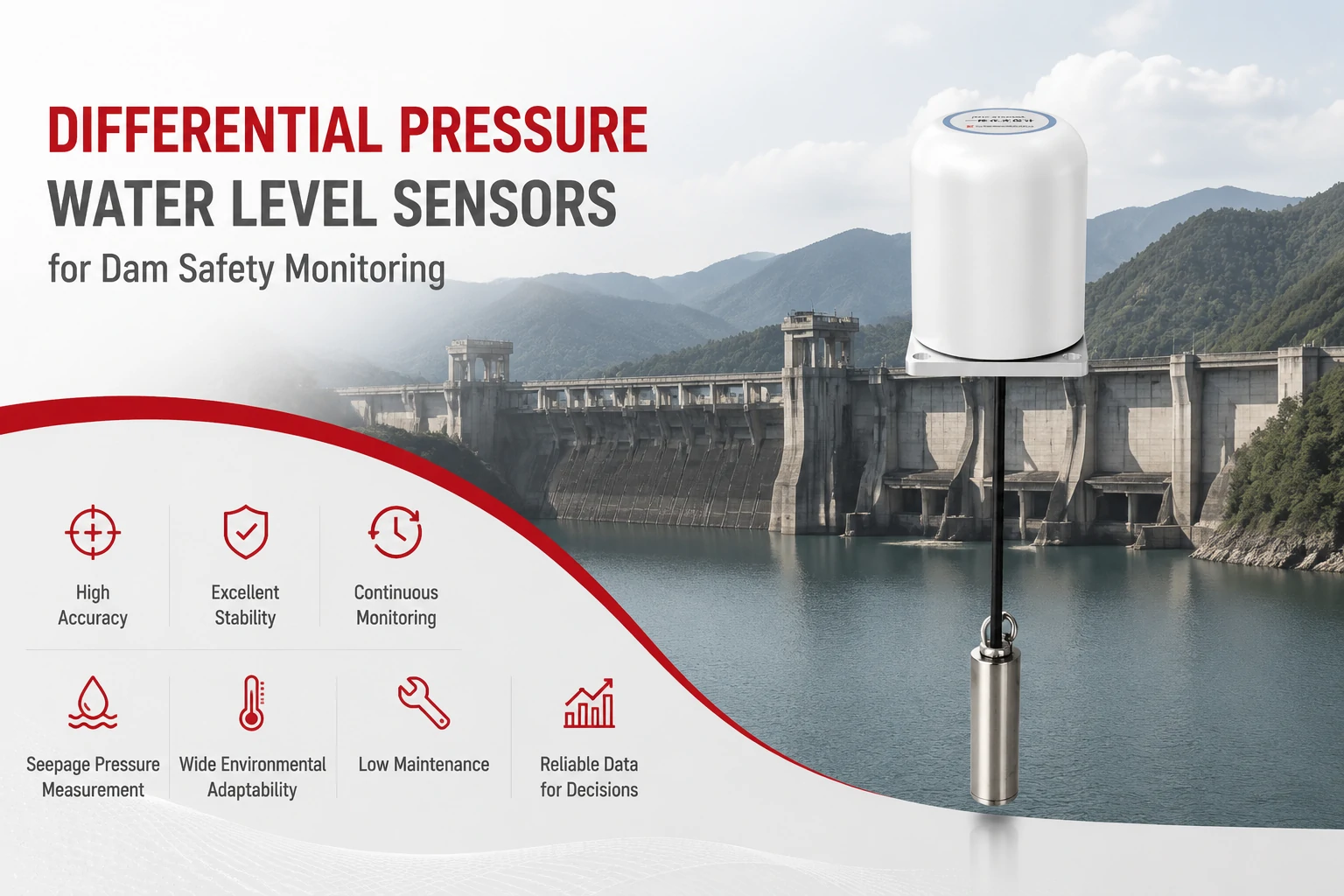
Key Takeaways An alert chain needs more than a sensor: define field in...
Key Takeaways The strongest fit is usually a confined, submerged, or s...
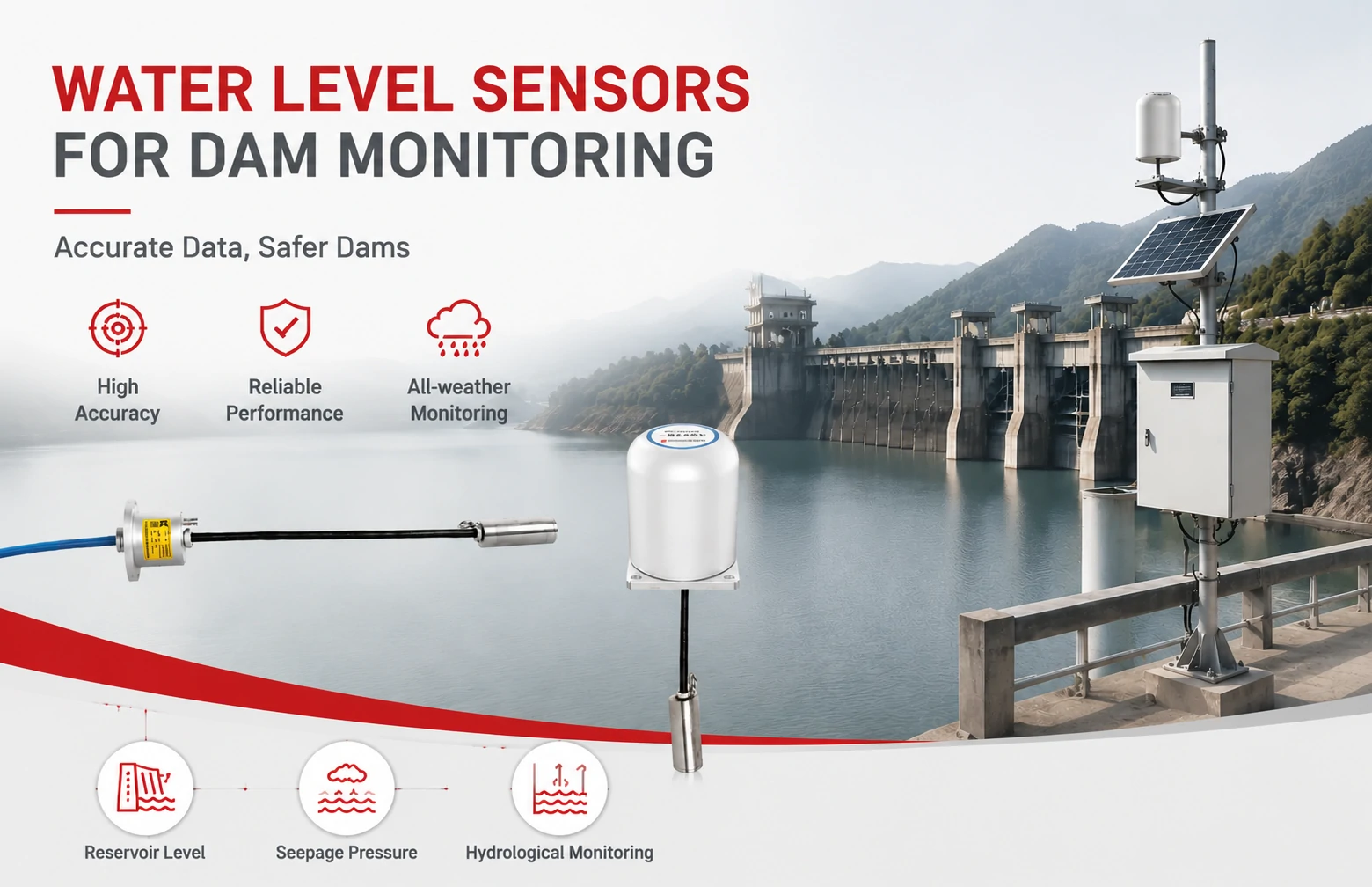
Kingmach Water Level Sensors for Dam Monitoring: A Buyer's Guide to Differential Pre...
Products
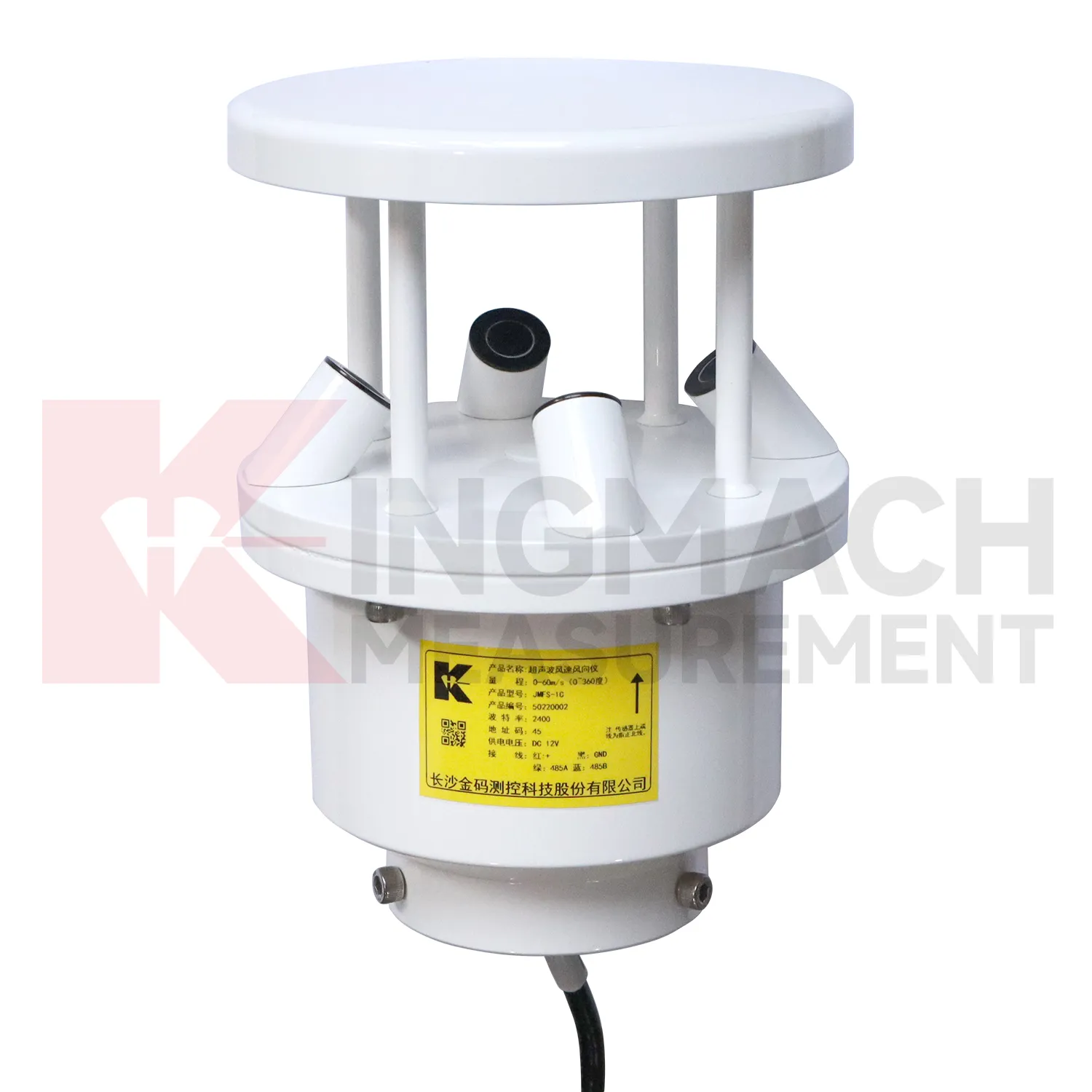
Ultrasonic Wind Speed and Direction Sensor JMFS-1C
View Details
FAQ
For cable runs under 30 meters, a 3-wire setup usually cancels lead resistance adequately. Beyond that, or when high precision matters (like monitoring concrete dam temperature), a 4-wire connection eliminates lead error entirely. Kingmach’s standard is 3-wire but we offer 4-wire as a simple order option.
Most likely yes—if your logger accepts Pt100 inputs directly or via a bridge module. Give us the logger model; we can match the sensor wiring code and even attach the right connector. If the logger only accepts voltage or current, we integrate a compact head-mounted transmitter.
Standard models ship within two weeks. Custom lengths (say, a 200mm probe instead of our standard 100mm) usually add a week. Large batch orders, especially those needing individual calibration certificates, take around 4-6 weeks. We’ll confirm when you place the order.
Yes, when properly specified. The key is a heavy-duty sealed tip and a protective conduit for the cable exit. We recommend our fully welded stainless steel probe with a compression fitting to prevent moisture ingress over decades. We’ve had sensors perform over 15 years in dam galleries.
Share your product type, target capacity, and application requirements. Our team can review the details and recommend a practical next step.
If you are interested in our products or want to become our partner.
Please leave your contact information, our team will contact you as soon as possible.
Mail: [email protected]
Contact Us: +8613808434127
Address: No. 188 Tongzipo West Rd, Changsha, Hunan, China