
 EN
EN
 ar
ar bg
bg hr
hr cs
cs da
da nl
nl fi
fi fr
fr de
de el
el hi
hi it
it ko
ko no
no pl
pl pt
pt ro
ro ru
ru es
es sv
sv tl
tl iw
iw id
id lv
lv lt
lt sr
sr sk
sk sl
sl uk
uk vi
vi et
et hu
hu th
th tr
tr fa
fa ms
ms hy
hy ka
ka ur
ur bn
bn mn
mn ta
ta kk
kk uz
uz ku
ku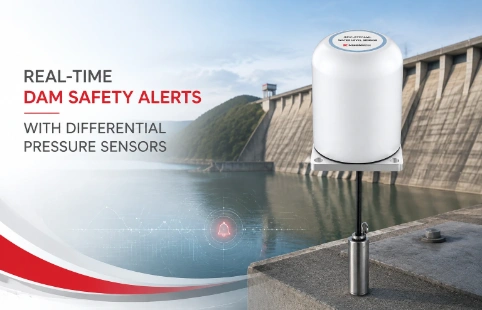
Real-Time Dam Safety Alerts with Differential Pressure Water Level Sensors
Key Takeaways An alert chain needs more than a sensor: define field in...

Rod Settlement Gauge for Ground Settlement Monitoring
When an earthfill dam settles unevenly, finding the zone of movement before cracks appear is where a rod settlement gauge proves its worth. Instead of assuming uniform compression, engineers insert a probe down an access pipe and log where magnetic anchors have shifted relative to a stable datum. Kingmach supplies these gauges as part of a wider geotechnical range, and we often see them specified for road embankments, soft ground under surcharge, and deep excavation heave checks. The routine is straightforward: lower the probe until it beeps on each magnet, note the depth from the graduated cable, and compare with baseline. Repeatability matters more than absolute accuracy, so the system is built to minimize cable stretch and reel wobble. In practice, clients might run weekly readings during construction, then monthly as creep settles in. Our support engineers can work out a monitoring layout if you share borehole logs and expected settlement magnitudes.
Technical Detail
Kingmach manufactures rod settlement gauges for vertical and near-vertical boreholes where ground settlement or heave needs to be tracked at multiple depths. A typical setup includes a stainless steel access pipe, magnetic anchor rings positioned along its exterior, a probe with reed switch or Hall sensor, a survey cable with reinforced core and millimeter markings, a reel with tensioning mechanism, and a portable readout unit. The readout logs depth when the probe passes a magnet, often displaying real-time distance and storing profiles for later download. Systems can be configured with 10 to 40 anchors depending on borehole depth, and cable length is cut to order. Kingmach sources marine-grade stainless for the probe body and uses epoxy-sealed connectors against groundwater ingress. For long-term projects in aggressive soil, we offer double-encapsulated anchors and optional cathodic protection. Unlike some suppliers, we calibrate each reel-cable set together to reduce systematic offset. Accuracy depends on installation quality and anchoring grout cure, but repeatability under controlled lowering speed is typically better than a millimeter. Technical support includes custom anchor spacing, adapter kits for inclinometer casing, and on-site training if a local distributor cannot cover it. Data can be cross-referenced with surface settlement plates and piezometers to build a full picture of consolidation.
News
Key Takeaways An alert chain needs more than a sensor: define field in...
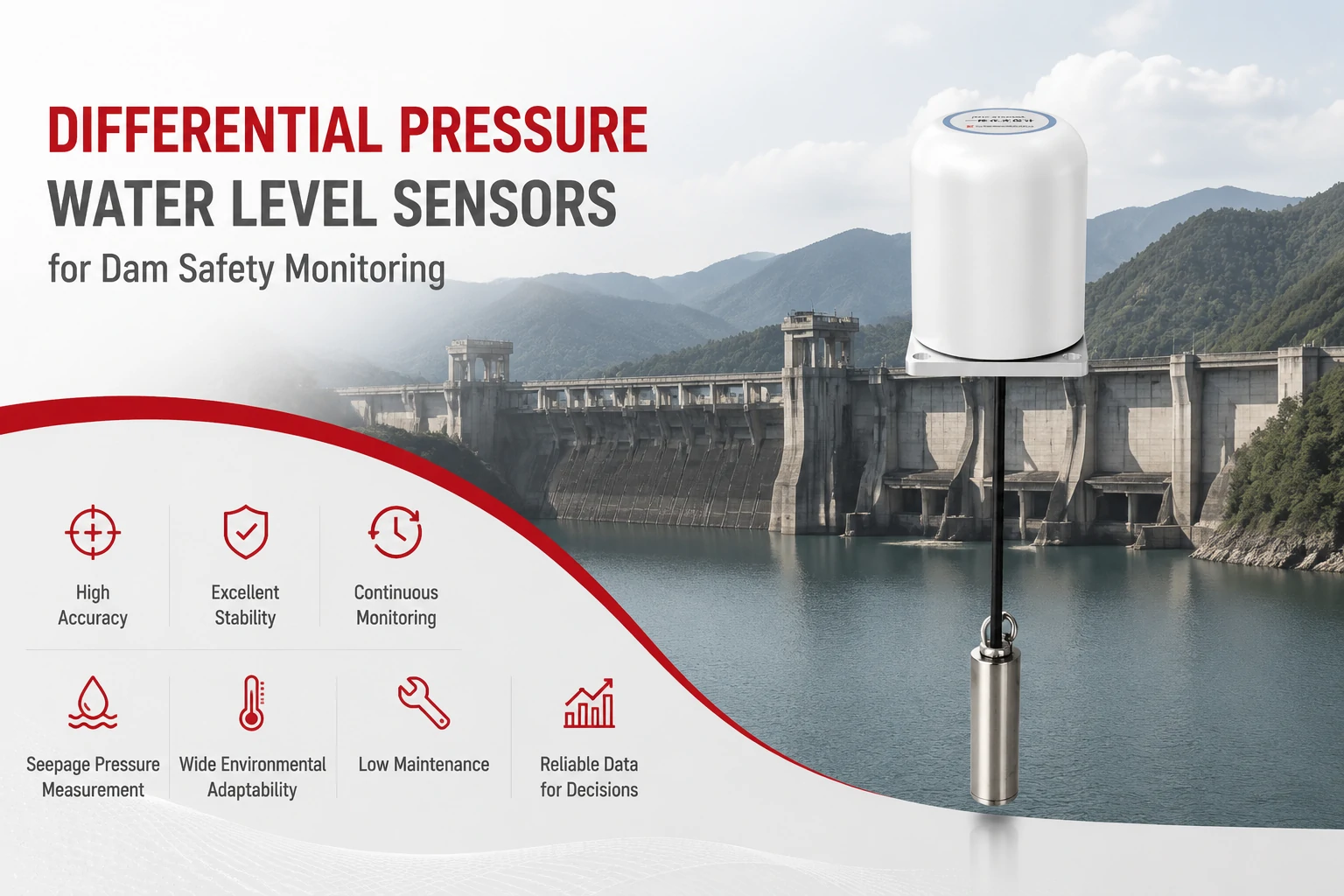
Key Takeaways The strongest fit is usually a confined, submerged, or s...
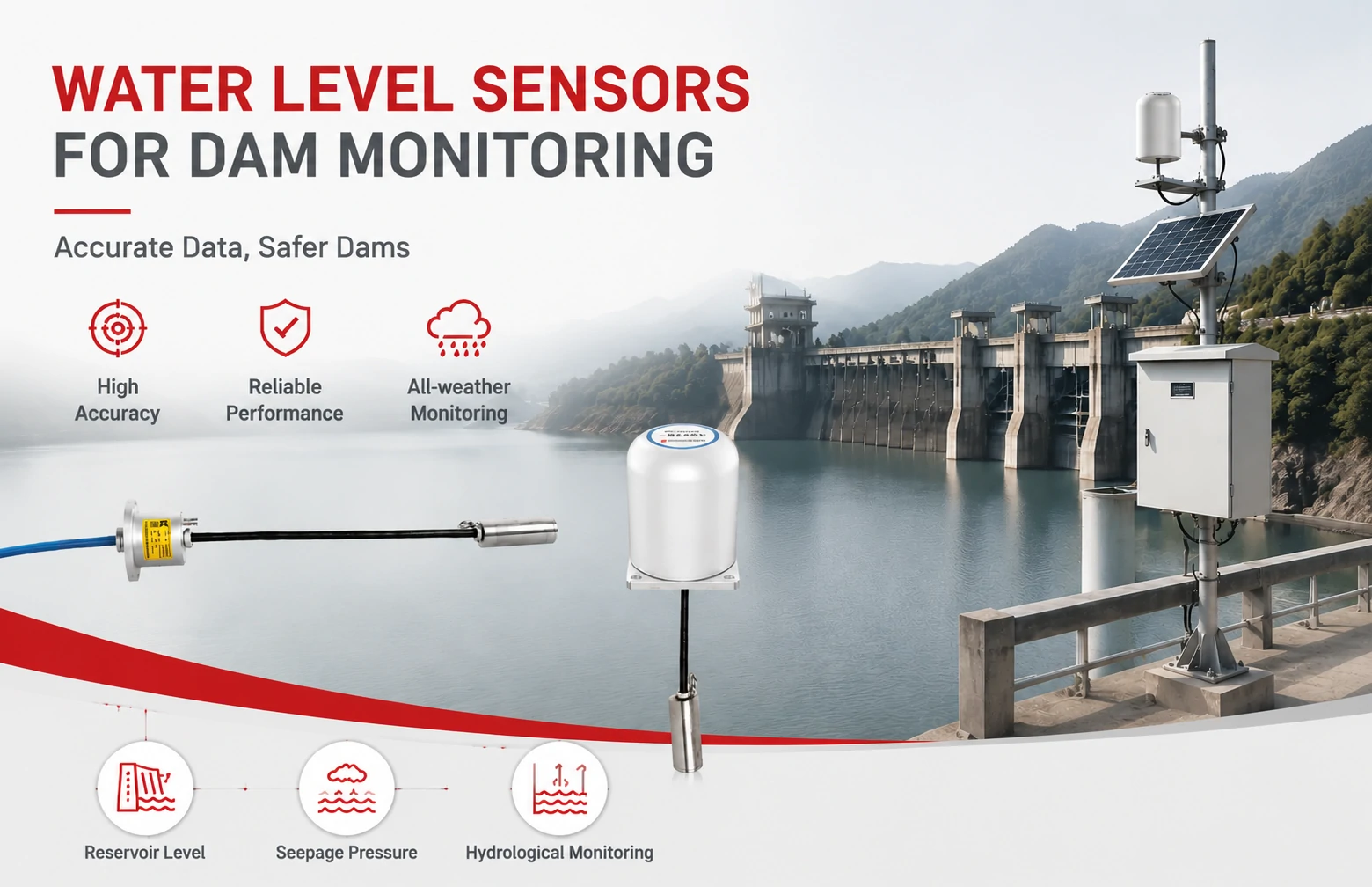
Kingmach Water Level Sensors for Dam Monitoring: A Buyer's Guide to Differential Pre...
Products
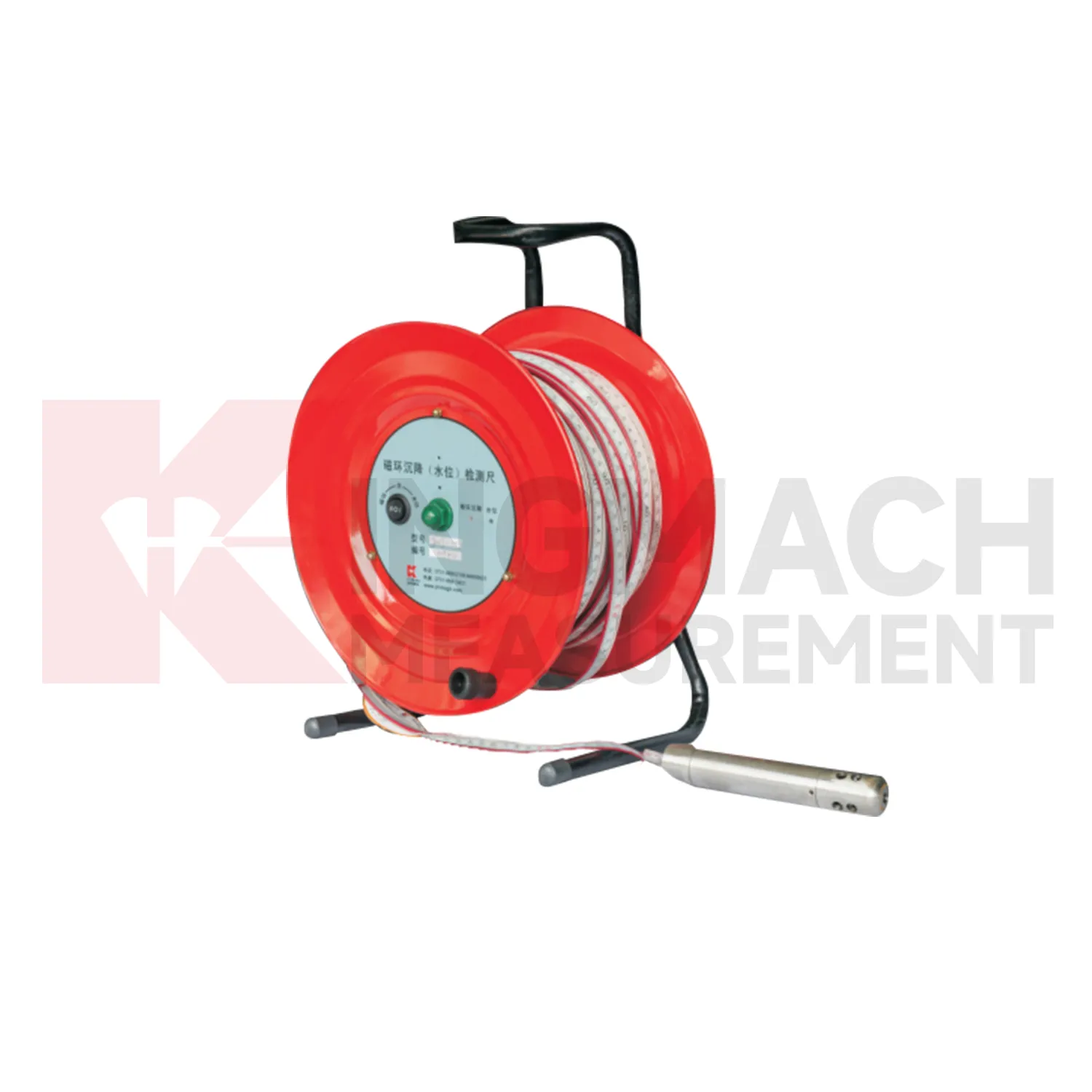
Magnetic Ring Settlement Water Level Gauge JMCJ-1003、1005
View Details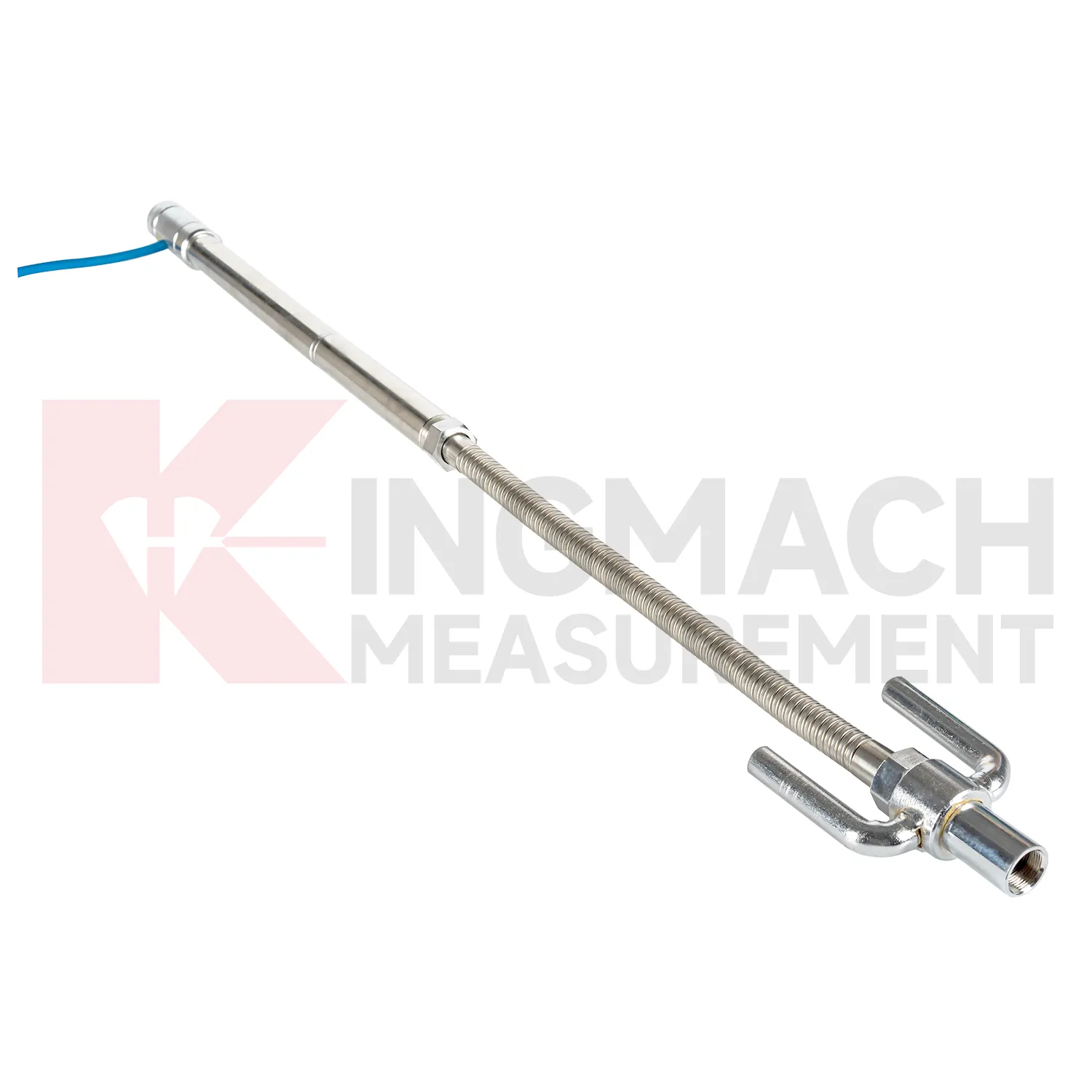
Smart Single-Point Settlement Gauge JMDL-47XXAT
View Details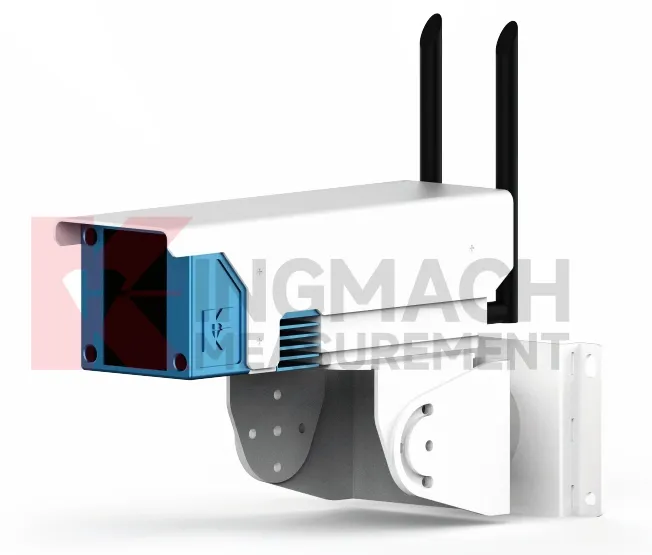
FAQ
The terms overlap, but a rod settlement gauge usually implies a rigid access pipe that moves with the ground, while an extensometer might use a fixed reference rod. In practice, our probes work with either configuration as long as magnets can slide or stay put relative to the pipe. Tell us your reference point – bottom anchor, top reference plate, or borehole collar – and we can supply the correct accessories.
A few degrees off vertical is fine, but beyond 10–15° the probe may not fall freely under gravity. For inclined holes, we offer a wheeled probe carrier that glides inside the pipe pushed by rods. Contact our team with the inclination and depth so we can check friction and cable wear.
Repeat readings on the same magnet by an experienced operator often agree within 0.5 mm if the cable is kept taut and speed is consistent. Absolute accuracy is limited by cable stretch, thermal expansion, and anchor grout movement, but for monitoring relative settlement trends this is sufficient. We provide a calibration certificate with each reel.
Rinse the probe and cable with fresh water after each survey, especially in saline or grout-contaminated boreholes. Check the cable jacket for cuts and the connector O-rings for dirt. Every six months, verify the depth readings against a known reference to catch any reel axis slack. Kingmach repair kits are available for minor connector replacements.
Our readout works with industry-standard reed switch or Hall effect probes using a two-wire circuit. Pinout and sensitivity thresholds can be adjusted via the menu. If you have an older probe from another brand, let us know the make and we can advise or supply an adapter cable.
Share your product type, target capacity, and application requirements. Our team can review the details and recommend a practical next step.
If you are interested in our products or want to become our partner.
Please leave your contact information, our team will contact you as soon as possible.
Mail: [email protected]
Contact Us: +8613808434127
Address: No. 188 Tongzipo West Rd, Changsha, Hunan, China