
 EN
EN
 ar
ar bg
bg hr
hr cs
cs da
da nl
nl fi
fi fr
fr de
de el
el hi
hi it
it ko
ko no
no pl
pl pt
pt ro
ro ru
ru es
es sv
sv tl
tl iw
iw id
id lv
lv lt
lt sr
sr sk
sk sl
sl uk
uk vi
vi et
et hu
hu th
th tr
tr fa
fa ms
ms hy
hy ka
ka ur
ur bn
bn mn
mn ta
ta kk
kk uz
uz ku
ku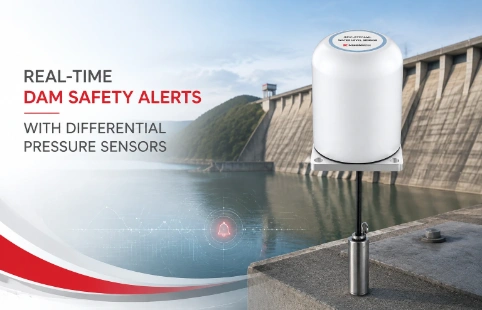
Real-Time Dam Safety Alerts with Differential Pressure Water Level Sensors
Key Takeaways An alert chain needs more than a sensor: define field in...

Stainless Steel Load Cells for Reliable Industrial Weighing
A load cell exposed to a wet concrete plant or a saltwater port faces more than just weight. Corrosion slowly eats at accuracy until readings drift and safety margins vanish. That’s why stainless steel matters. The material’s natural resistance to rust and chemical attack keeps a sensor stable over years of service, not months. Kingmach Measurement & Monitoring Technology knows this balance well. Their stainless steel load cells are built for operators who need consistent performance without constant replacement. No flashy promises—just solid engineering for geotechnical monitoring, tank weighing, and batching systems. Whether it’s a small custom sensor or a high-capacity unit for offshore use, the team adapts the design to your spec. They’ve shipped to dozens of countries, but the real local support comes in the way their engineers help you match the right cell to a harsh environment.
Technical Detail
Material choice defines a load cell’s lifespan. In corrosive or washdown settings, stainless steel becomes a practical necessity. Kingmach sources high-grade stainless steel—typically 17-4PH or 304—to machine its load cells, ensuring long-term resistance to pitting and stress corrosion. The sealed construction commonly meets IP67 or IP68, so short-term submersion or high-pressure cleaning won’t compromise the strain gauge bridge. Capacities range from a few kilograms for small hoppers up to hundreds of tonnes for silo legs. Output signal options include standardized mV/V, 4-20mA, or RS485 for direct PLC integration. Every cell undergoes temperature compensation and corner trimming during assembly, which matters when a batch mixer depends on repeatable dosing. Kingmach operates at the mid-tier price point, but that doesn’t mean stripped-down features. Their engineering team regularly customizes bolt patterns, cable lengths, and mounting kits to avoid costly modifications on site. Technical support after shipment includes calibration guidance and troubleshooting via remote access or local partners. The stainless steel series fits a range of roles—industrial scales, agricultural weigh bridges, marine crane overload checks, and geotechnical anchor load monitoring. Because the company specializes in monitoring instruments, these load cells often ship alongside data loggers and junction boxes for a complete system. That integration saves time and finger-pointing when a project goes live. For OEMs or contractors ordering in volume, Kingmach offers dedicated shipment planning and compliance with regional standards upon request. No one sensor solves every problem, but stainless steel eliminates the largest variable: environment-driven failure.
News
Key Takeaways An alert chain needs more than a sensor: define field in...
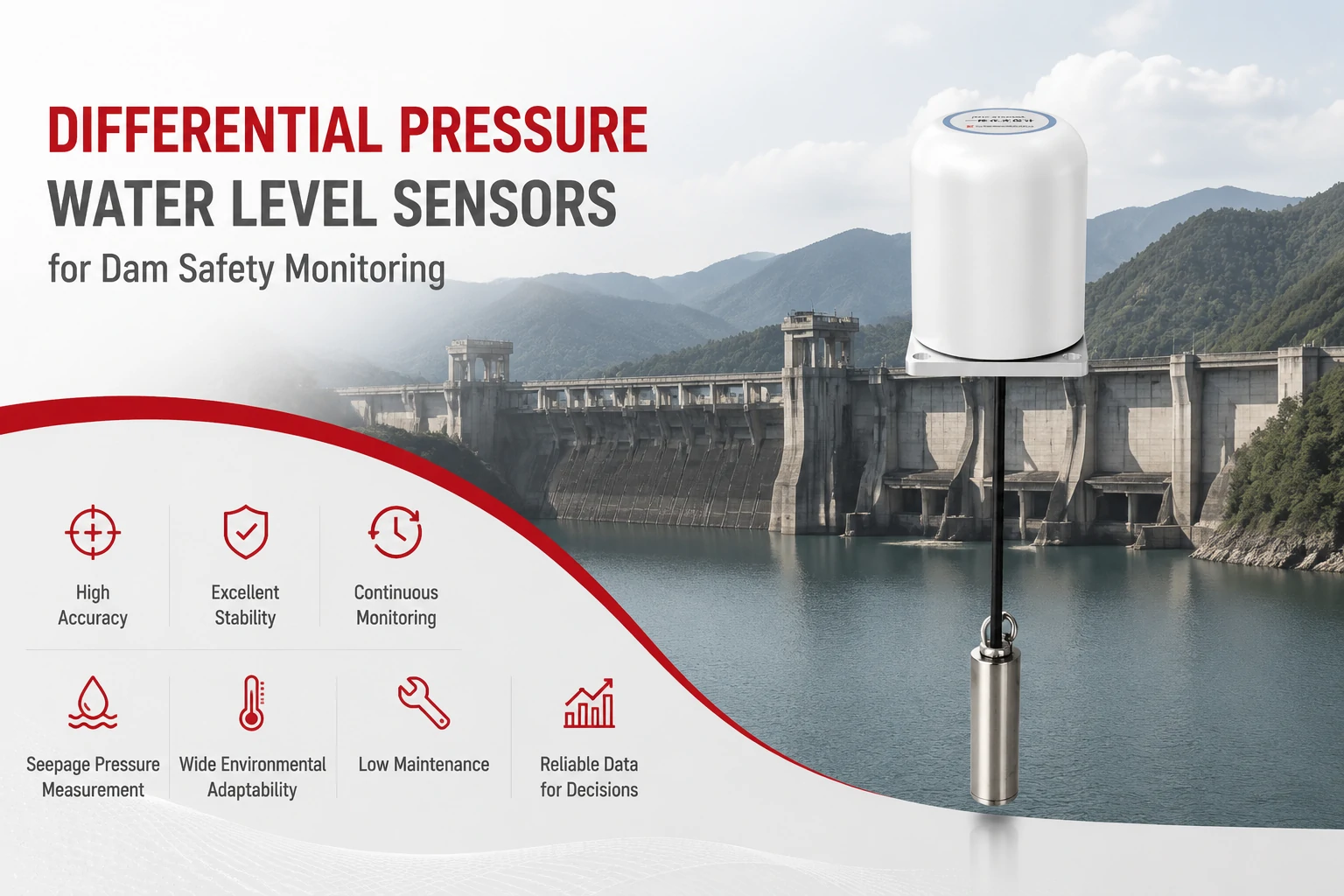
Key Takeaways The strongest fit is usually a confined, submerged, or s...
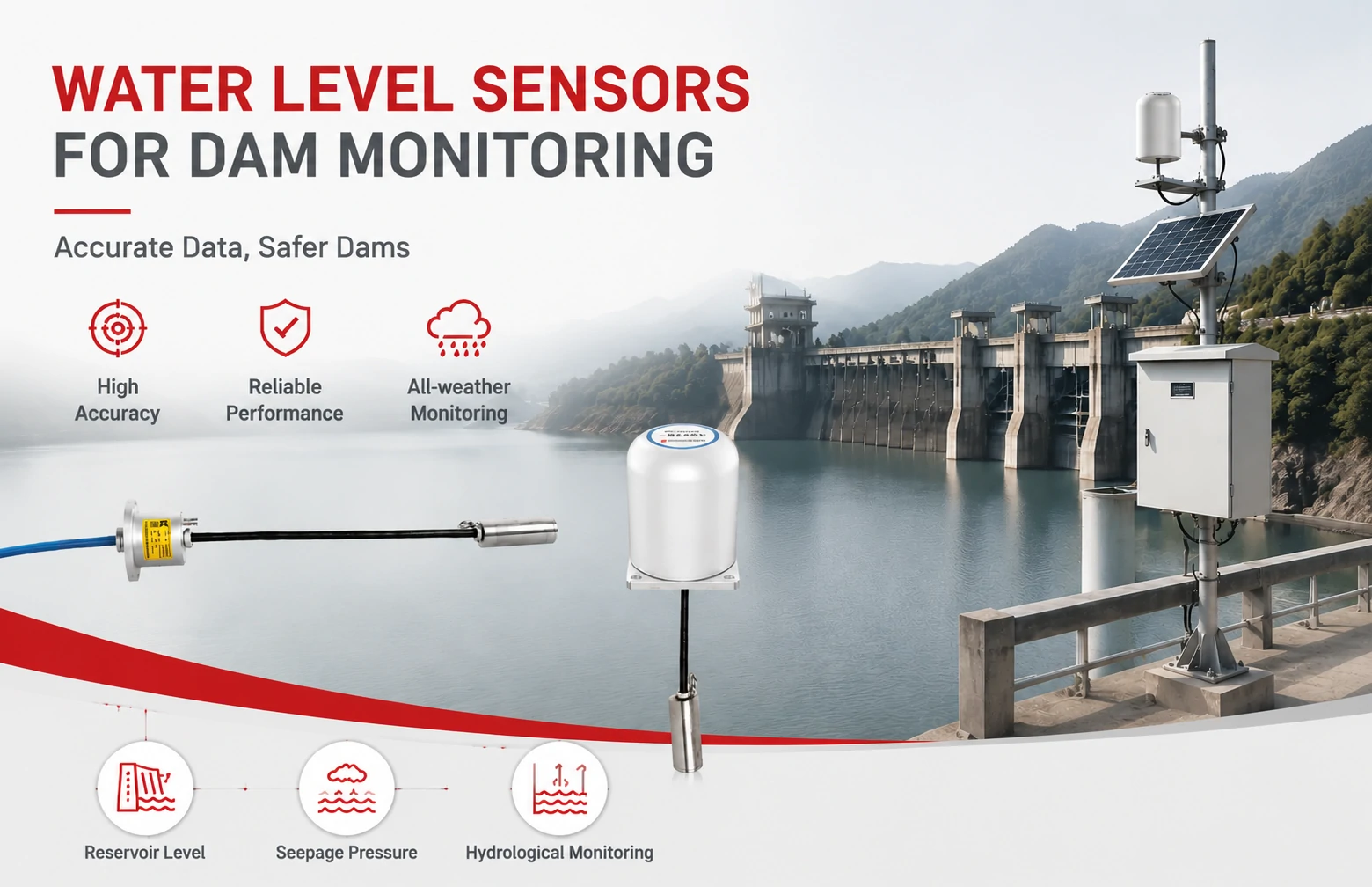
Kingmach Water Level Sensors for Dam Monitoring: A Buyer's Guide to Differential Pre...
Products
Smart Vibrating Wire PiezometerSmart Piezometers (VW) JMZX-55XXHAT
View Details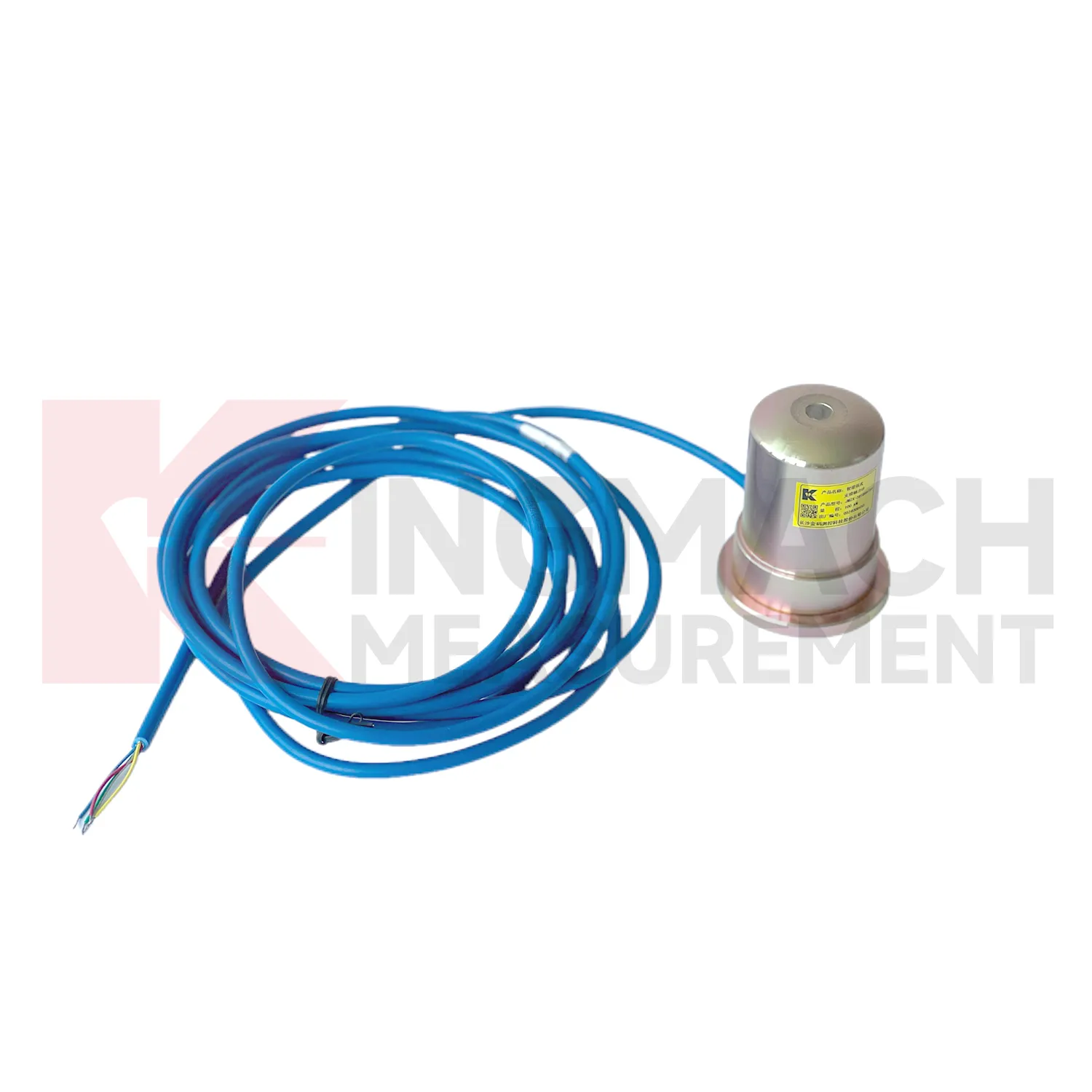
Smart Formwork Axial Force Meter(VW)JMZX-39XXHAT
View Details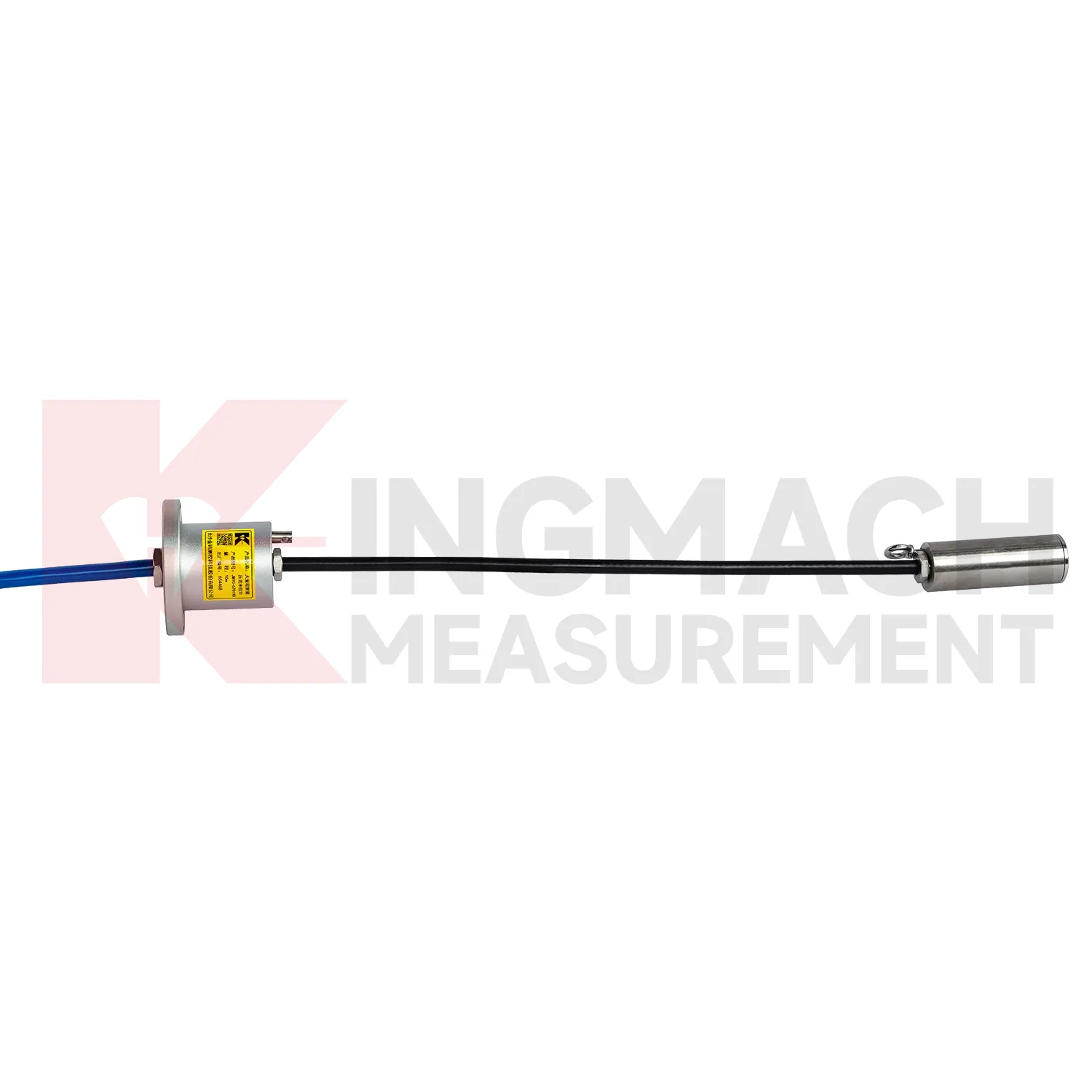
Wide-Range Smart Differential Pressure Water Level Meter JMYC-67XXAD
View DetailsFAQ
Alloy steel cells are cheaper and perform fine in dry, indoor setups. Once moisture, chemicals, or salt spray enter the picture, alloy steel needs protective coatings that eventually chip or scratch. Stainless steel can go without coatings and still resist rust, making it the default for food processing, marine weighing, and outdoor installations. The trade-off is material cost, but the maintenance and replacement savings usually outweigh it over a few years.
Yes, provided the specific model has a smooth, crevice-free design and appropriate sealing. 304 or 316L stainless steel with IP69K rating can handle high-temperature, high-pressure washdowns. Kingmach offers custom polishing and hermetic welding to meet hygiene requirements for direct food contact zones.
Standard shipments include the load cell itself, a calibration certificate, and often a basic mounting plate set. For tank or hopper applications, Kingmach can supply self-aligning rocker feet, stay rods, and anti-rotation brackets separately. The team reviews your structure’s drawing to recommend the right combination, so you don’t end up with binding loads.
All load cells drift a little over time, and stainless steel housings don’t eliminate that. Annual calibration with traceable weights keeps your system within legal-for-trade or process tolerance. Kingmach’s cells ship with factory calibration curves in mV/V/Ω, so field recalibration is straightforward with a known reference load.
Share your product type, target capacity, and application requirements. Our team can review the details and recommend a practical next step.
If you are interested in our products or want to become our partner.
Please leave your contact information, our team will contact you as soon as possible.
Mail: [email protected]
Contact Us: +8613808434127
Address: No. 188 Tongzipo West Rd, Changsha, Hunan, China